


Ukrainian authorities bust Russian-backed arson ring targeting military vehicles
Source: Ukraine’s National Police
Ukrainian law enforcement has apprehended six young men in the city of Odessa for allegedly torching over a dozen military vehicles on behalf of Russian special services.
According to sources within the National Police of Ukraine, the suspects, who worked as couriers, used their scooters to track down Ukrainian military personnel’s vehicles during the day, only to set them ablaze under the cover of night. Investigation found that the arsonists had taken orders directly from Russia’s FSB via a popular messaging app.
The perpetrators would also film the infernos on their phones and send the footage to their handlers as proof of a job well done – a requirement to receive payment for their sabotage acts. Authorities believe these six individuals are responsible for at least 15 vehicle fires, but the investigation suspects their involvement in several more similar incidents.
In my previous column, I wrote about social innovations in Ukraine. Those innovations are part of civic resilience and the democratization of security, which Europe is paying close attention to right now. The EU is trying to work out how to spread responsibility for its own security across society as a whole, rather than leaving it to institutions alone. It is looking for concrete ways to bring ordinary people into the work of defense and resistance.
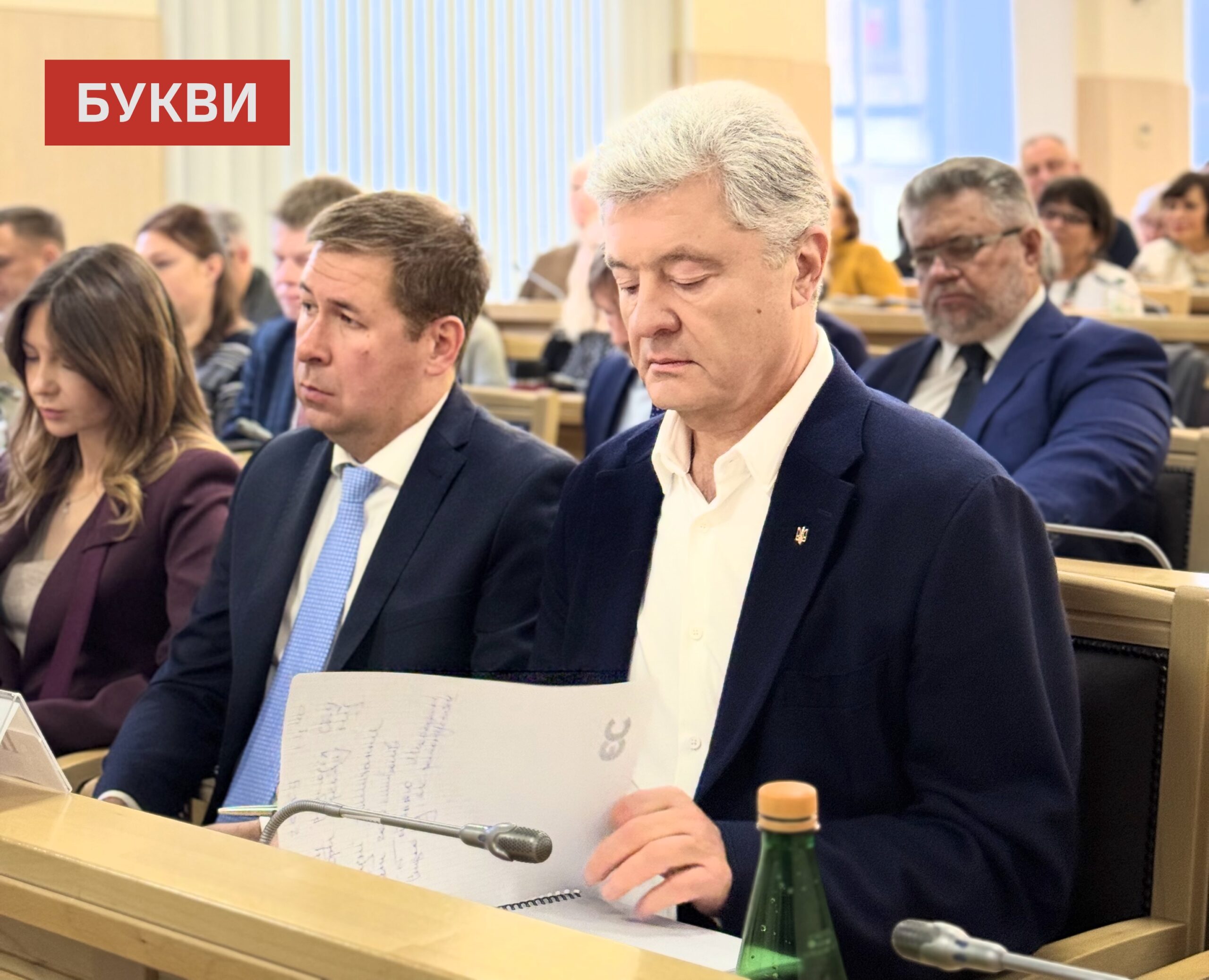
Petro Poroshenko’s lawyers have appealed to the High Anti-Corruption Court demanding that NABU be obligated to register proceedings regarding the fact of exerting influence on the court and to recognize Petro Poroshenko as a victim in the case of the Deputy Head of the Office of the President, Iryna Mudra, due to her pressure on Supreme Court judges who were considering a lawsuit to overturn sanctions.
Internationally recognized brands and financial institutions should direct capital to Ukraine now, not waiting for the hostilities to end. This was emphasized by Rinat Akhmetov, president of FC Shakhtar, during a working visit to UEFA headquarters in Nyon, Switzerland, where he met with UEFA President Aleksander Čeferin.
In recent days, Moscow’s official rhetoric has been dominated by hysteria over the decision of…
In 2025, the deadliest year yet for civilians, Ukraine’s three largest charitable foundations raised a record 105.9 billion hryvnias. It is more than the years 2022–2024 combined. According to the UN, humanitarian aid in Ukraine was delivered by more than 450 organisations, reaching five million people over the course of the year. Civic foundations hold licences to purchase lethal weapons, which is a function states have monopolised for centuries. These record sums were underwritten by international government grants, which means foreign states now channel billions directly through Ukrainian civic funds, bypassing inter-state channels. It is hard to imagine a stronger institutional trust in civil society.