
Ukraine has created a shell to protect PATRIOT systems
In just 1.5 months, Ukrainian specialists have created an innovative protective shell for the control modules of anti-aircraft missile systems (AMS) Patriot and Iris-T SLM. This development was another step in strengthening Ukraine’s defense capabilities, aimed at protecting key elements of the air defense system from debris damage.
The protective shell is designed for a critically important module – the “brain center” of anti-aircraft missile systems (AMS), which is responsible for controlling the Air Defense system. Armored plates made of Ukrainian 30KHN2MA steel form the basis of the shell. This material is characterized by high strength, toughness and resistance to mechanical loads, which provides effective protection of the crew and equipment from debris damage.
“The defenders of the sky also need reliable protection. Since this is one of the main directions of the initiative “Steel Front”, in which we have a lot of experience, it is not surprising that we were entrusted with such a responsible mission”, said Oleksandr Myronenko, Metinvest Group Chief Operating Officer, adding that the company completed the project in a record time – a month and a half.
“We created a project from scratch, using Ukrainian armored steel to manufacture a protective shield that provides protection for the crew and the Air Defense system control module from debris damage”, he noted.
The shell consists of almost 200 elements of armored steel up to 8 mm thick, and the total weight of the structure exceeds 2.6 tons. However, the weight does not affect the mobility or functionality of the Anti-Aircraft Missile Complex, maintaining high maneuverability – which is key in combat conditions. The design provides full coverage of the control module’s vulnerable areas, including the crew cabin and critical electronic components.
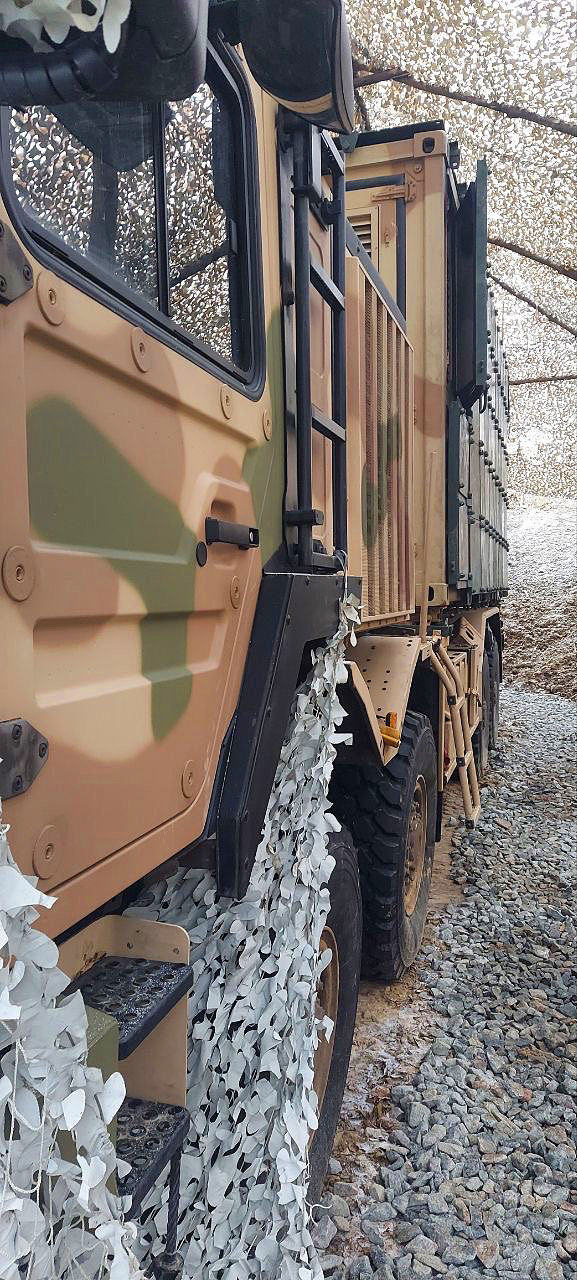
The modular approach to manufacturing the shell makes it possible to easily replace damaged elements, which significantly increases the functioning of the system even in the most difficult conditions. Due to the high-strength material, the shell is able to effectively dissipate the kinetic energy of debris, stopping it and protecting the crew and critical components of the Air Defense system. The multilayer structure provides an additional level of protection, and the optimal ratio of plate thickness to weight ensures that the complex remains mobile.
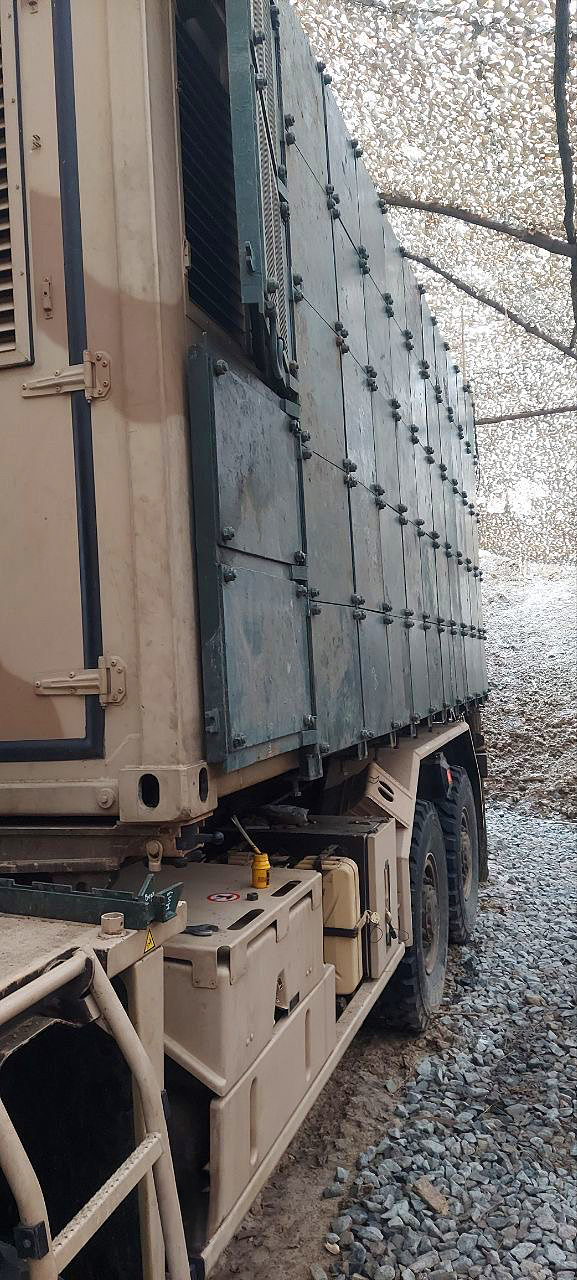
The process of creating the shell was made possible thanks to the close cooperation of engineers, turners, fitters, mechanical assemblers and electric and gas welders. The uniqueness of this solution is not only in the use of advanced materials, but also in the speed of manufacturing – it took only a month and a half from the idea to the finished product.
This product is part of Rinat Akhmetov’s initiative “Steel Front”, that has already offered armored screens for Ukrainian tanks T-64 and T-72, American M1 Abrams, Bradley and Leopard 2 modifications. In general, the Ukrainian Defense Forces have received more than 300 such screens for various vehicles.
Patriot and Iris-T SLM systems play a key role in the protection of strategically important objects of Ukraine. Equipped with a phased-array radar and high-precision missiles, Patriot is capable of neutralizing threats over long distances. Iris-T SLM demonstrates high efficiency in destroying drones, cruise missiles and aircraft at medium distances, providing multi-level protection of the sky. Thanks to integration with other Air Defense systems, these complexes form a reliable shield over Ukraine.
The use of protective shells allows to increase the combat effectiveness of these complexes in combat conditions. The protection of the crew and equipment is not only practical, but also moral support for military, which gives them confidence in performing complex combat missions
The development of “Steel Front” is an important step in ensuring reliable protection of Ukrainian Air Defense systems.The shell for Patriot and Iris-T SLM is an example of the effective and innovative use of Ukrainian resources and technologies to strengthen the country’s defense capabilities. This initiative not only protects our military personnel, but also increases the prestige of Ukrainian industry at the international level, demonstrating its ability to adapt quickly in critical war conditions.
In my previous column, I wrote about social innovations in Ukraine. Those innovations are part of civic resilience and the democratization of security, which Europe is paying close attention to right now. The EU is trying to work out how to spread responsibility for its own security across society as a whole, rather than leaving it to institutions alone. It is looking for concrete ways to bring ordinary people into the work of defense and resistance.
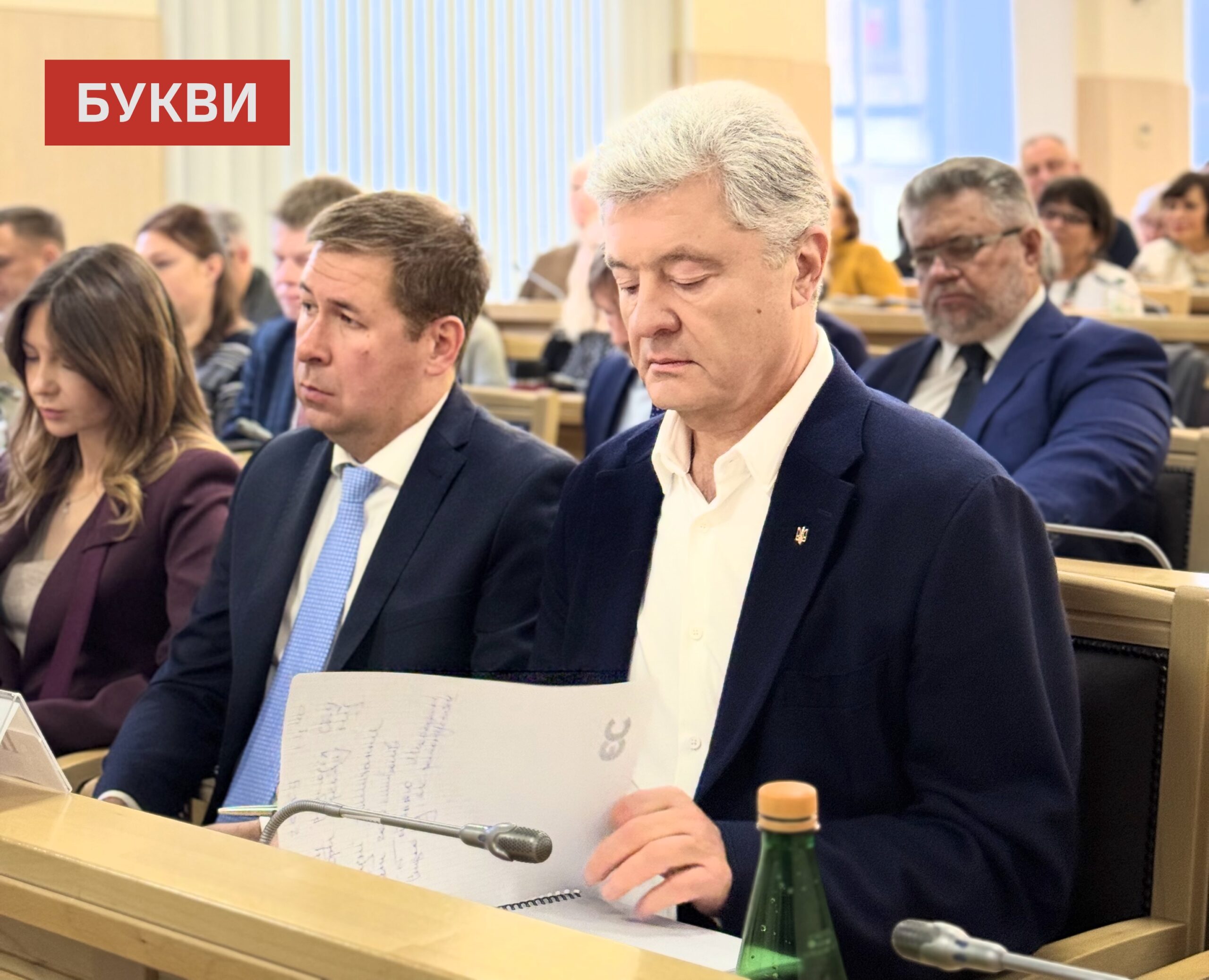
Petro Poroshenko’s lawyers have appealed to the High Anti-Corruption Court demanding that NABU be obligated to register proceedings regarding the fact of exerting influence on the court and to recognize Petro Poroshenko as a victim in the case of the Deputy Head of the Office of the President, Iryna Mudra, due to her pressure on Supreme Court judges who were considering a lawsuit to overturn sanctions.
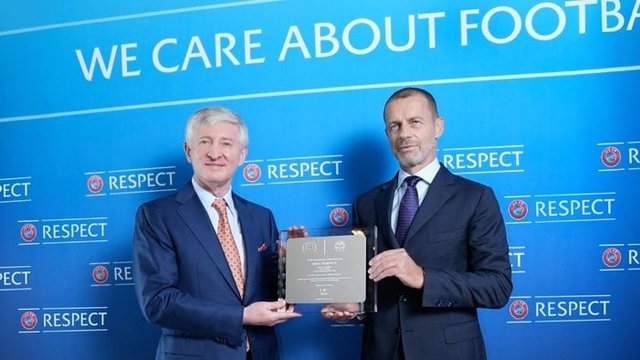
Internationally recognized brands and financial institutions should direct capital to Ukraine now, not waiting for the hostilities to end. This was emphasized by Rinat Akhmetov, president of FC Shakhtar, during a working visit to UEFA headquarters in Nyon, Switzerland, where he met with UEFA President Aleksander Čeferin.
In recent days, Moscow’s official rhetoric has been dominated by hysteria over the decision of…
In 2025, the deadliest year yet for civilians, Ukraine’s three largest charitable foundations raised a record 105.9 billion hryvnias. It is more than the years 2022–2024 combined. According to the UN, humanitarian aid in Ukraine was delivered by more than 450 organisations, reaching five million people over the course of the year. Civic foundations hold licences to purchase lethal weapons, which is a function states have monopolised for centuries. These record sums were underwritten by international government grants, which means foreign states now channel billions directly through Ukrainian civic funds, bypassing inter-state channels. It is hard to imagine a stronger institutional trust in civil society.