
Veteran assistance programs received only 20% of allocated funds -reports

Source:Ukraine’s Accounting Chamber

Ukraine’s Accounting Chamber chairwoman, Olga Pishchanska said on Thusday that six  veterans assistance programs remain largely underfunded as the government has spent only 17.7% of planned expenditures over the first eight months of 2024.

The areas where spending fell short include:

  • Promotion of veterans’ positive image, production of ID cards and badges, development of veteran movements, and memorialization: It got only  2.6% of the funding.
  • Mental, sports, physical, and psychological rehabilitation, and professional adaptation:  These veteran benefits got only 3.7% of the funds.
  • Creation and operation of the National Military Memorial Cemetery: the state agencies have spent only 9.4% of the project budget.

Among other programs dealing with funding problems include:

  • Development of the social services system: the government alloted only 9.1% of 1.03 billion hryvnias (102.7 million hryvnias).
  • Insurance payments to healthcare workers affected by COVID-19: This program got a quarter of its funding –  25.8% of 39.1 million hryvnias was spent (10.1 million hryvnias).
  • Social support services for military personnel and their families within Ukrainian Armed Forces units hasn’t got any funding for 2 years.

Despite a slight reduction in the 2025 budget allocation for social protection, it remains substantial, representing 10.7% of the overall budget. Total social sector expenses are projected at nearly half a trillion hryvnias, making them the largest after defense, security, and debt servicing.

According to the 2025 budget projection, the share of social benefits will “remain at 2024 levels” as the goverment has earmarked 420.7 billion hryvnias (90% of the last year’s funding) for 12 programs realized by Ministry of Social Policy. It is worth noting that current budget provisions will address primarily war veterans needs.

In 2025, the deadliest year yet for civilians, Ukraine’s three largest charitable foundations raised a record 105.9 billion hryvnias. It is more than the years 2022–2024 combined. According to the UN, humanitarian aid in Ukraine was delivered by more than 450 organisations, reaching five million people over the course of the year. Civic foundations hold licences to purchase lethal weapons, which is a function states have monopolised for centuries. These record sums were underwritten by international government grants, which means foreign states now channel billions directly through Ukrainian civic funds, bypassing inter-state channels. It is hard to imagine a stronger institutional trust in civil society.

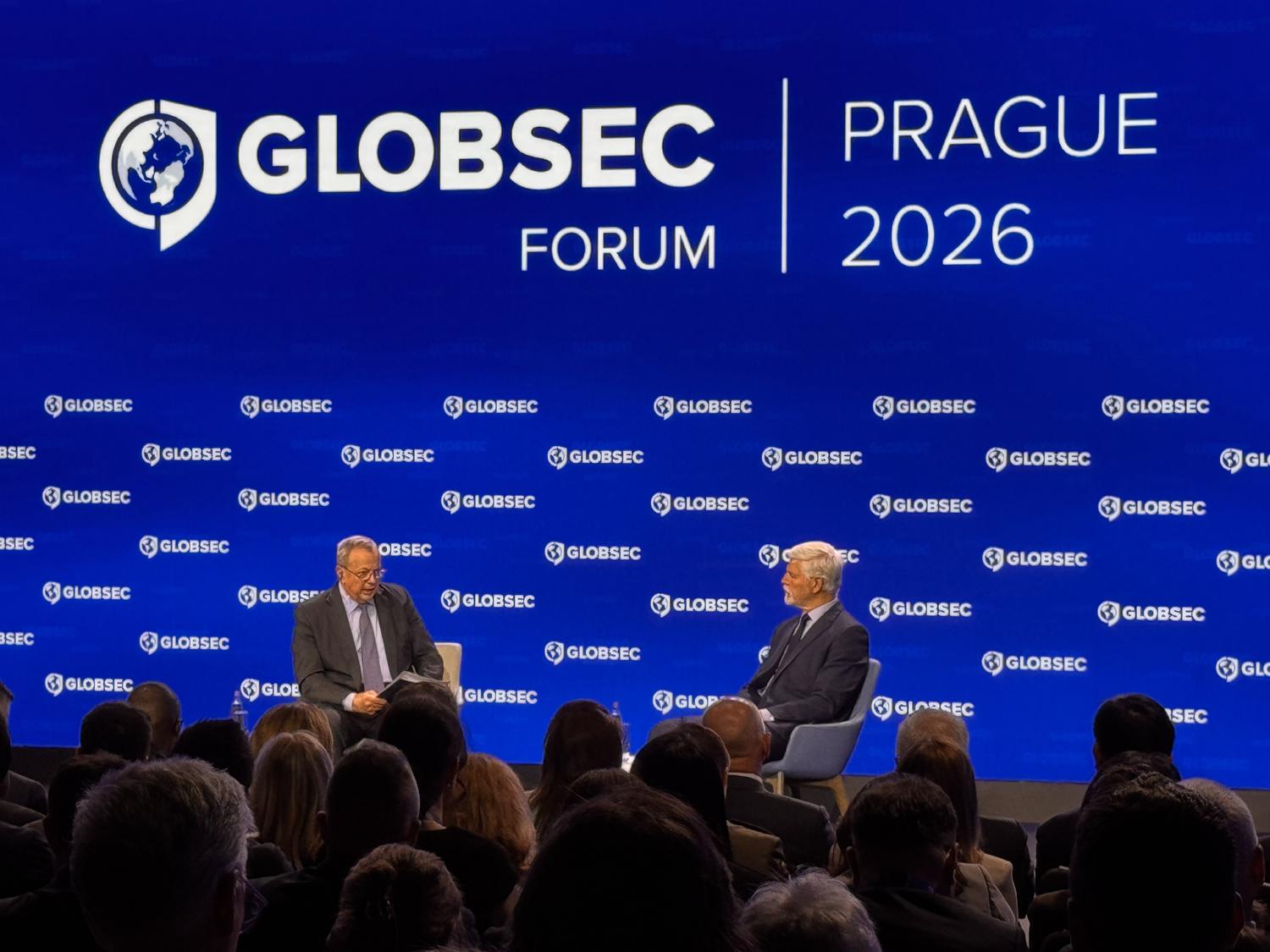
During the GLOBSEC Defence Forum 2026 in Prague, representatives of “Steel Front”, an initiative by Rinat Akhmetov, discussed with NATO delegations, military officials, and representatives of the European defense industry the lessons learned from Russia’s full-scale war against Ukraine.

After the start of the full-scale invasion in February 2022, Ukraine witnessed an unprecedented wave of private support for the army. Citizens, big businesses, charitable foundations, and international philanthropists began financing the country’s defense alongside state assistance provided by international partners. Estimates of total private contributions range from tens to hundreds of billions of hryvnias. However, determining the exact amount remains difficult. In many cases, companies combine military aid, humanitarian programs, tax payments, social spending, and employee support in their reporting.

Rinat Akhmetov’s military initiative, “Steel Front”, has delivered a batch of drones worth UAH 214 million to the 1st “Azov” Corps of the National Guard of Ukraine. This shipment is part of the Metinvest Group’s ongoing support for the unit in 2025.

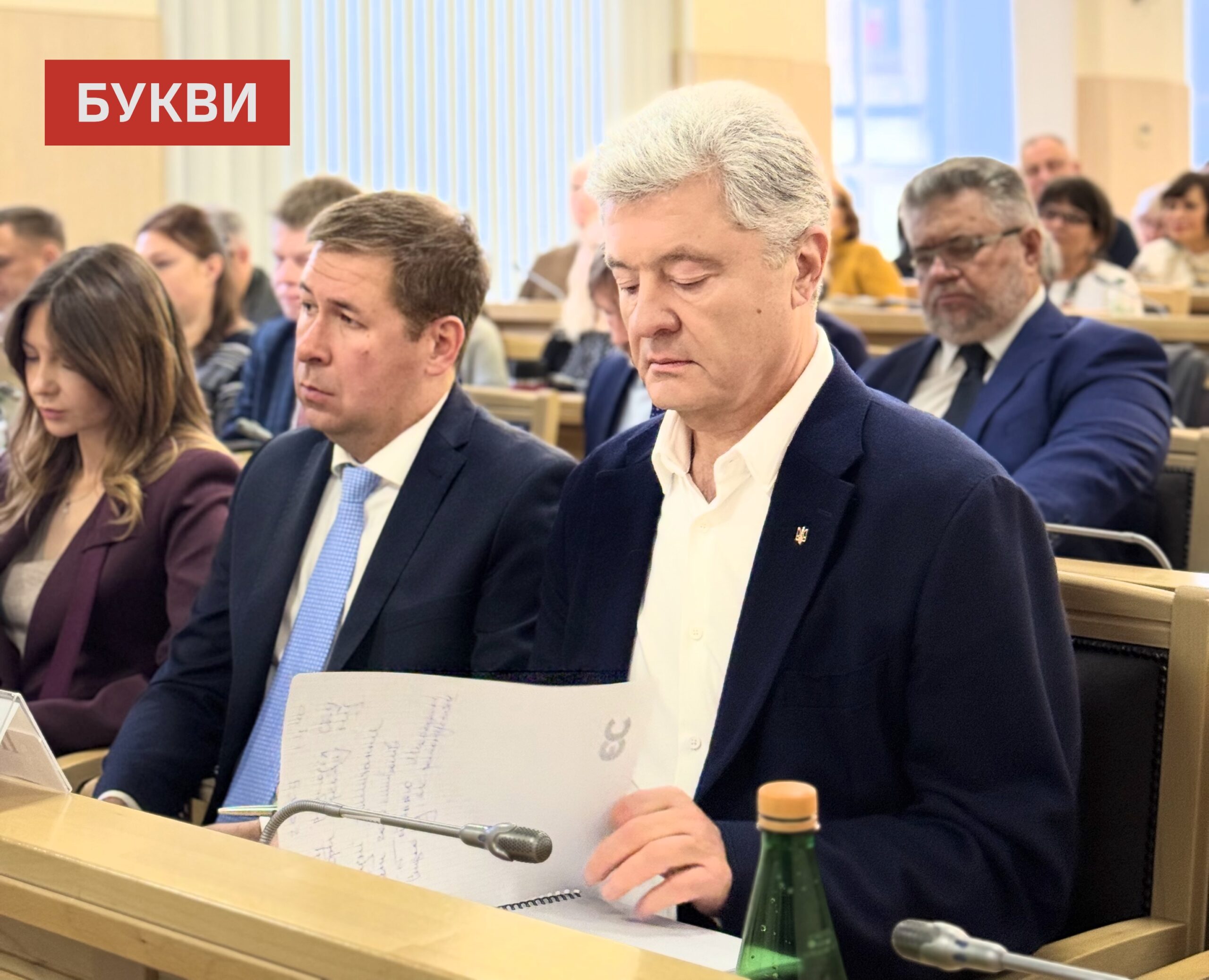
On October 6, the Administrative Cassation Court within the Supreme Court of Ukraine continued hearing case No. 990/80/25, in which the fifth President and leader of the party “European Solidarity”, Petro Poroshenko, seeks to have Presidential Decree No. 81/2025 from February 12, 2025 — enacting sanctions by the decision of the National Security and Defense Council (NSDC) — declared illegal and annulled. The plaintiff claims the document was falsified and that the sanctions are a tool of political persecution of the opposition, contrary to international norms. Government representatives deny the allegations and insist their actions were lawful. Journalists of Bukvy were present at the hearing.