Sanctions Against Poroshenko Prove Harsher Than Restrictions on Russian Arms Manufacturers and Propagandists
The personal sanctions imposed by President Volodymyr Zelenskyy on Petro Poroshenko, the fifth President of Ukraine, are of a longer duration than the new restrictive measures introduced against Russian companies, media outlets, and individuals operating in the temporarily occupied territories.
This is evidenced by the texts of the relevant decrees published on the official website of the President of Ukraine.
Pursuant to Decree No. 81/2025 of February 12, 2025, 17 types of restrictive measures were imposed on Petro Poroshenko. These include the freezing of assets; the complete cessation of trade operations and the transit of resources; measures to prevent the withdrawal of capital from Ukraine; a ban on acquiring land plots; as well as prohibitions on entering into contracts, conducting securities transactions, and paying dividends. All restrictive measures under this sanctions package have been imposed without any time limit.
By contrast, Decree No. 1134/2026 of November 23, 2026, specifies the duration of the restrictive measures as “indefinitely; ten years.” In this case, only the deprivation of state awards of Ukraine is imposed indefinitely, while economic and financial sanctions – including asset freezes and the suspension of trade operations – are limited to a ten-year term.
This sanctions package targets Russian companies involved in business activities in the occupied territories and the export of Ukrainian agricultural products from those territories. These include LLC “Biol” in occupied Melitopol, “Bichevynskyi Elevator”, “Pivdenno-Zakhidna Torhovelna Kompaniya” (South-Western Trading Company), and “TekhnoInvestPskov”. It also covers Ukrainian companies “Mediaholding Novyny”, “Time Media”, and “Teleprostir”, which are linked to the dissemination of Russian propaganda.
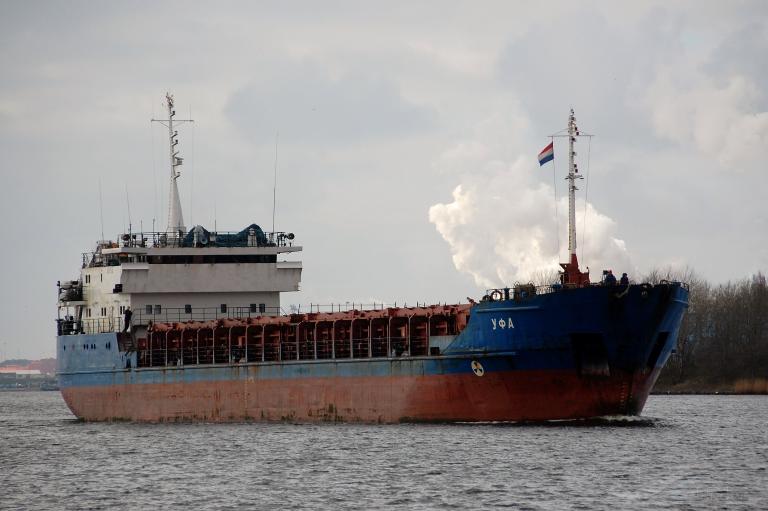
In November 2026, Volodymyr Zelenskyy also signed several other sanctions decrees. In particular, on November 23, Decree No. 1135/2026 introduced restrictive measures against so-called deputies of occupation councils in Crimea, Russian officials, and units of the Federal Service for Environmental, Technological, and Nuclear Supervision (Rostekhnadzor) involved in the occupation of the Zaporizhzhia Nuclear Power Plant. Earlier, on November 16, the President imposed sanctions on seven Russian “shadow fleet” vessels transporting weapons and military equipment for the Russian Armed Forces, as well as six Russian officials responsible for the forced issuance of Russian passports to Ukrainians in the temporarily occupied territories. Under this decree, the deprivation of state awards is imposed indefinitely, while the other restrictive measures are imposed for a period of ten years.
Pursuant to the Law of Ukraine “On Sanctions,” a decision to impose sanctions must specify the period for which they are to remain in force. An exception applies to restrictive measures that result in the termination of rights or that, by their nature, cannot be imposed temporarily – in particular, the deprivation of state awards of Ukraine. By contrast, asset freezing, as defined in Clause 1 of Part 1 of Article 4 of the Law, is explicitly described as the “temporary deprivation of the right to use and dispose of assets.” Consequently, imposing asset freezes and other ongoing economic restrictive measures without a time limit appears to contradict the substance of the law.
The personal sanctions imposed by President Volodymyr Zelenskyy on Petro Poroshenko, the fifth President of Ukraine, are of a longer duration than the new restrictive measures introduced against Russian companies, media outlets, and individuals operating in the temporarily occupied territories.
Amendments to Ukraine’s enforcement proceedings legislation, initiated by the Ministry of Justice of Ukraine, have entered into force. Among other measures, the reform provides for the automated lifting of attachments on bank accounts immediately after debts in enforcement proceedings have been fully settled. The main practical benefit for citizens is the complete elimination of the need to contact an enforcement officer in person and wait for paper decisions once the debt has been paid.
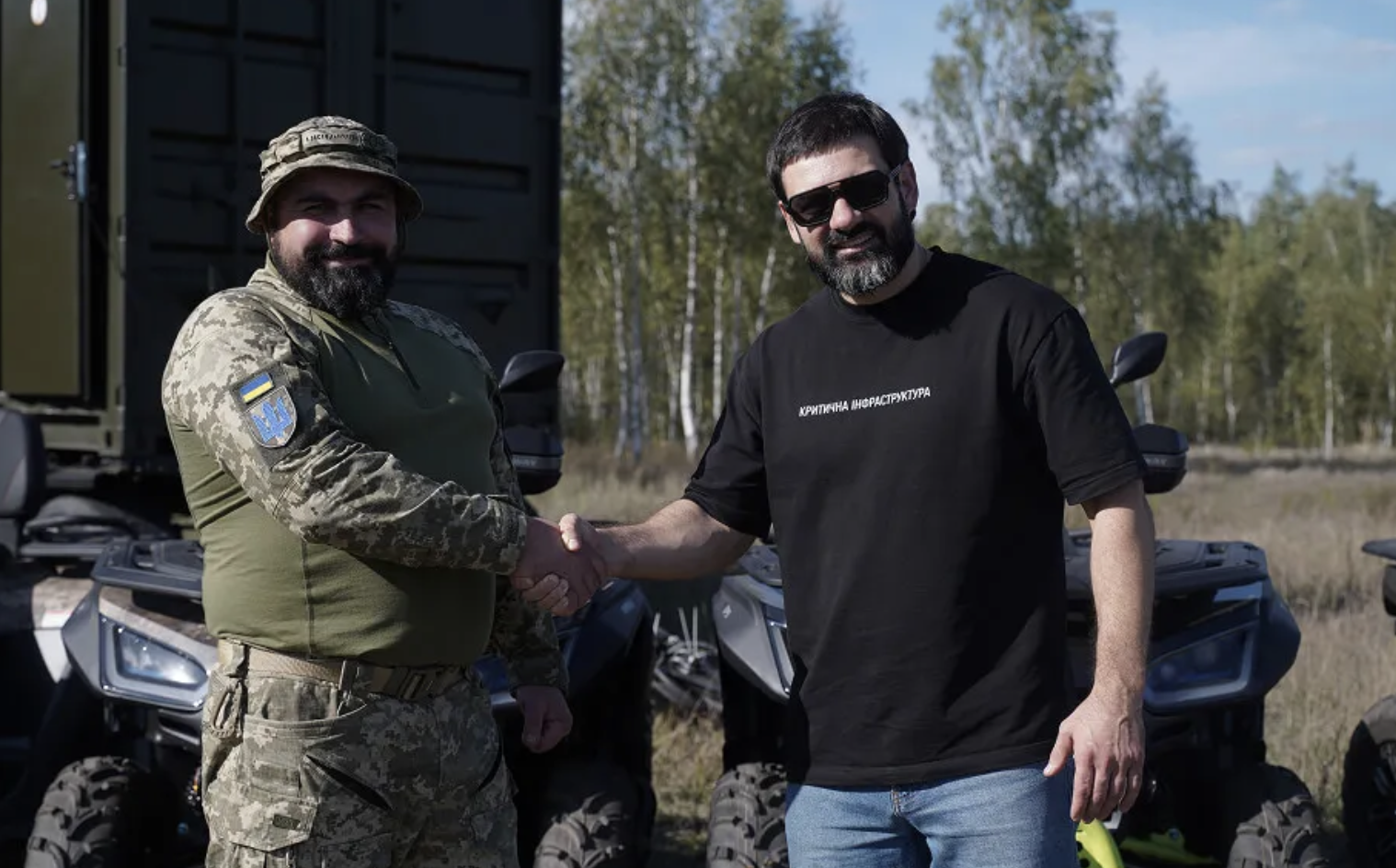
The 157th Separate Mechanized Brigade has received another batch of supplies as part of Rinat Akhmetov’s Steel Front military initiative. This time, the military received seven quad bikes and four mobile shower and bath units.
In my previous column, I wrote about social innovations in Ukraine. Those innovations are part of civic resilience and the democratization of security, which Europe is paying close attention to right now. The EU is trying to work out how to spread responsibility for its own security across society as a whole, rather than leaving it to institutions alone. It is looking for concrete ways to bring ordinary people into the work of defense and resistance.
Petro Poroshenko’s lawyers have appealed to the High Anti-Corruption Court demanding that NABU be obligated to register proceedings regarding the fact of exerting influence on the court and to recognize Petro Poroshenko as a victim in the case of the Deputy Head of the Office of the President, Iryna Mudra, due to her pressure on Supreme Court judges who were considering a lawsuit to overturn sanctions.