
“70% of wounded soldiers return to duty after treatment,” – Medical Forces chief
Source: Ukrinform
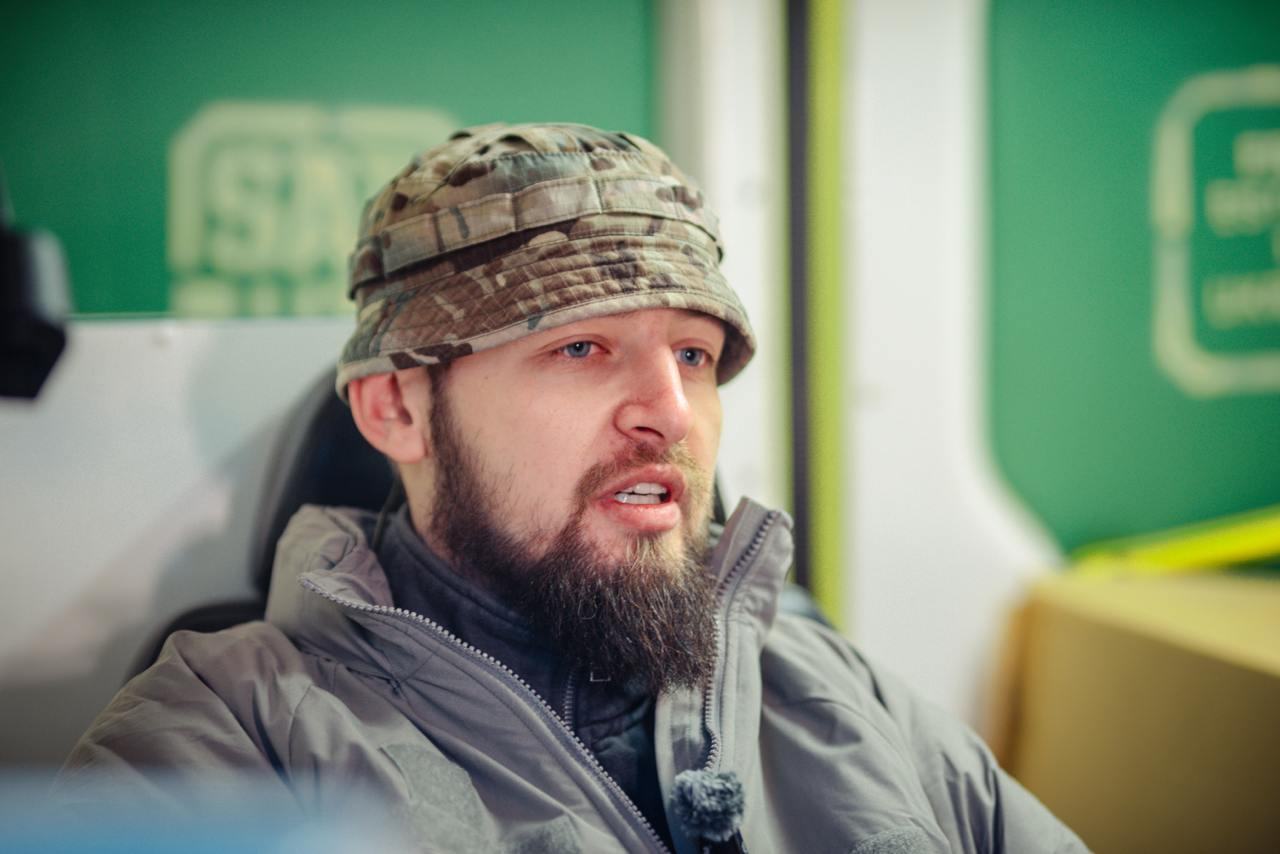
70% of wounded soldiers return to active duty after treatment, according to Andriy Kazmirchuk, the Commander of Medical Forces of the Armed Forces of Ukraine. While outcomes vary across different fronts, this remarkable figure reflects a strong backbone in the military ranks.
“These 70% of soldiers essentially form the core of our military contingent,” Kazmirchuk explained.
The need for combat medics on the frontlines remains constant as they are a particularly vulnerable group. Despite their critical role, they don’t work directly under the Medical Forces command but are part of the regular army units. “Combat medics carry out the same missions as regular soldiers,” added Kazmirchuk.
“They fall under the command of their respective military branches and units, but we are responsible for their specialized training,” he added.
Kazmirchuk also revealed that only 10% of combat medics currently have formal medical education. He though made it clear there is difference between their current roles and those of traditional medical professionals, saying, “On the frontlines, it’s about saving lives, not treatment. If a soldier is trained, then they are saved.”
In recent days, Moscow’s official rhetoric has been dominated by hysteria over the decision of…
In 2025, the deadliest year yet for civilians, Ukraine’s three largest charitable foundations raised a record 105.9 billion hryvnias. It is more than the years 2022–2024 combined. According to the UN, humanitarian aid in Ukraine was delivered by more than 450 organisations, reaching five million people over the course of the year. Civic foundations hold licences to purchase lethal weapons, which is a function states have monopolised for centuries. These record sums were underwritten by international government grants, which means foreign states now channel billions directly through Ukrainian civic funds, bypassing inter-state channels. It is hard to imagine a stronger institutional trust in civil society.
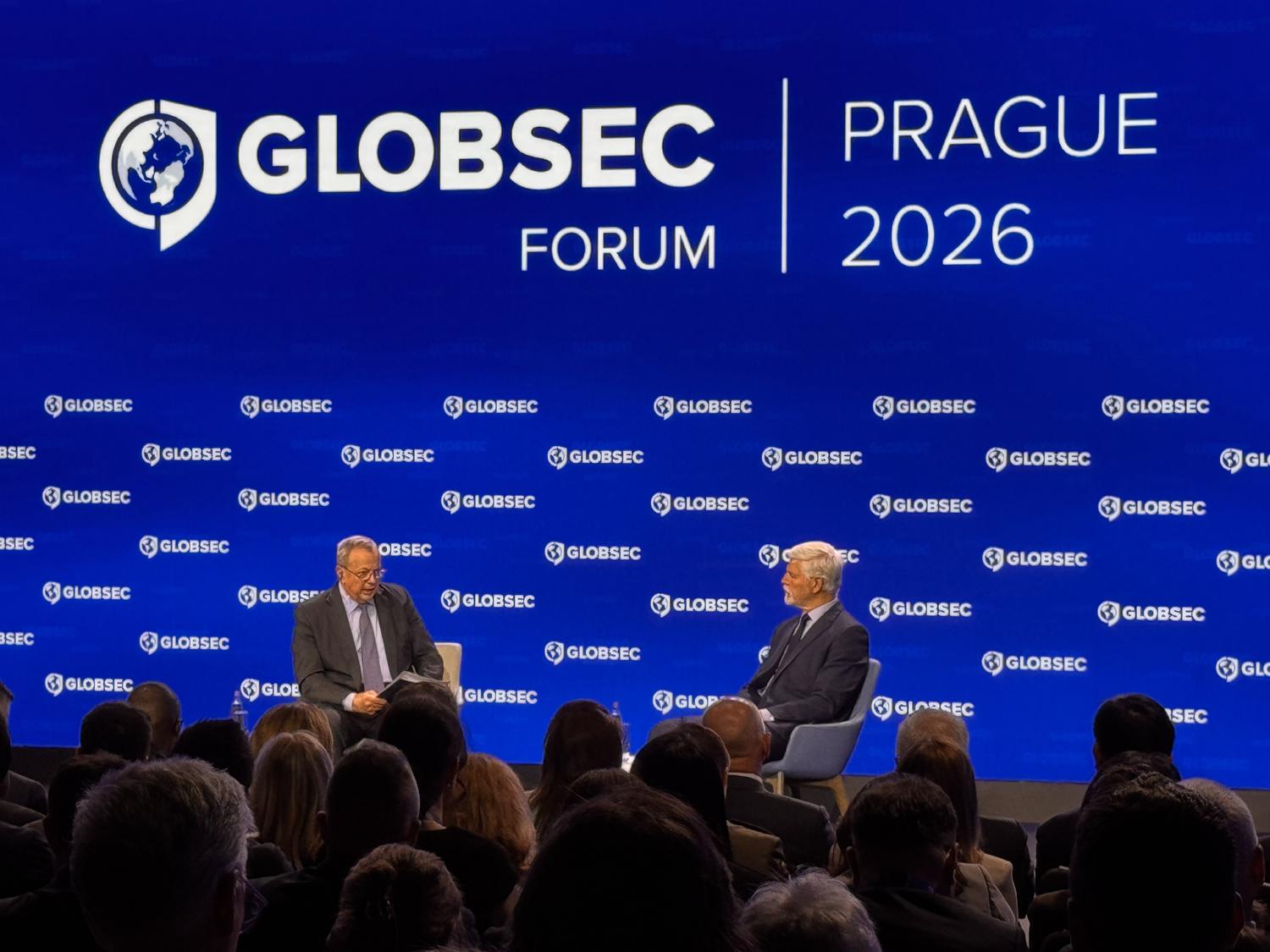
During the GLOBSEC Defence Forum 2026 in Prague, representatives of “Steel Front”, an initiative by Rinat Akhmetov, discussed with NATO delegations, military officials, and representatives of the European defense industry the lessons learned from Russia’s full-scale war against Ukraine.
After the start of the full-scale invasion in February 2022, Ukraine witnessed an unprecedented wave of private support for the army. Citizens, big businesses, charitable foundations, and international philanthropists began financing the country’s defense alongside state assistance provided by international partners. Estimates of total private contributions range from tens to hundreds of billions of hryvnias. However, determining the exact amount remains difficult. In many cases, companies combine military aid, humanitarian programs, tax payments, social spending, and employee support in their reporting.
Rinat Akhmetov’s military initiative, “Steel Front”, has delivered a batch of drones worth UAH 214 million to the 1st “Azov” Corps of the National Guard of Ukraine. This shipment is part of the Metinvest Group’s ongoing support for the unit in 2025.