



Alarming rise in child pornography cases in Ukraine – reports
Source: Opendatabot
Every second case of pornography investigated in Ukraine this year involves children, according to a report from Opentabot. The data, covering the first seven months of 2024, reveals over 2,300 criminal cases related to pornographic content, with child pornography cases outnumbering those related to adult content for the third consecutive year.
The grim statistics show 1,145 cases under Article 301 of Ukraine’s Criminal Code, which deals with the import, production, sale, and distribution of pornographic materials. An even more concerning 1,198 cases have been filed under Article 301-1, specifically targeting child pornography. This marks a 27% increase in cases related to adult content compared to the entire previous year.
For the first time in three years, the number of cases concerning adult and child pornography has reached a similar level. However, the situation is far from balanced. While 68% of cases involving adult content have reached the courts, only 57% of child pornography cases have made it that far—down from 69% last year.
Adding to the complexity, 21 cases involving adult pornography and 25 involving child pornography were closed earlier this year. The ongoing legal challenges highlight the state’s struggle to define what constitutes “distribution” of pornography, with the law failing to differentiate between a private nude photo sent to a partner and commercially distributed sexual content.
Last year, lawmakers introduced bill No. 9623 to partially decriminalize adult pornography, aiming to free up law enforcement resources and reduce corruption within the system. Yet, the bill has seen little progress, largely due to resistance from the Parliamentary Committee on Law Enforcement.
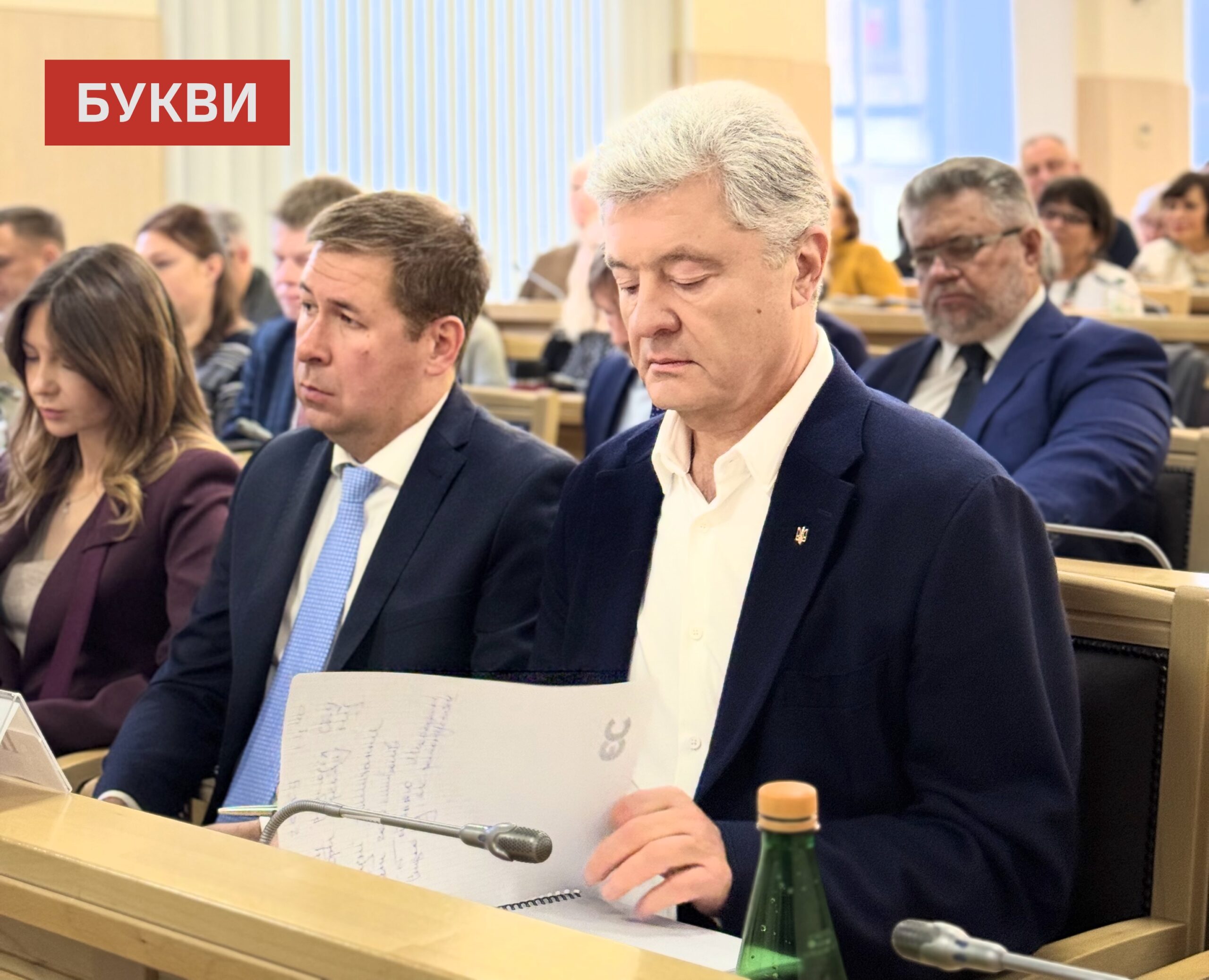
Igor Samokhodskyi, head of the ICT sector at the BRDO Office for Effective Regulation, said that decriminalizing voluntary adult pornography could save state funds, generate additional tax revenue, and allow law enforcement to focus on real crimes—particularly the distribution of child pornography.
In recent days, Moscow’s official rhetoric has been dominated by hysteria over the decision of…
In 2025, the deadliest year yet for civilians, Ukraine’s three largest charitable foundations raised a record 105.9 billion hryvnias. It is more than the years 2022–2024 combined. According to the UN, humanitarian aid in Ukraine was delivered by more than 450 organisations, reaching five million people over the course of the year. Civic foundations hold licences to purchase lethal weapons, which is a function states have monopolised for centuries. These record sums were underwritten by international government grants, which means foreign states now channel billions directly through Ukrainian civic funds, bypassing inter-state channels. It is hard to imagine a stronger institutional trust in civil society.
During the GLOBSEC Defence Forum 2026 in Prague, representatives of “Steel Front”, an initiative by Rinat Akhmetov, discussed with NATO delegations, military officials, and representatives of the European defense industry the lessons learned from Russia’s full-scale war against Ukraine.
After the start of the full-scale invasion in February 2022, Ukraine witnessed an unprecedented wave of private support for the army. Citizens, big businesses, charitable foundations, and international philanthropists began financing the country’s defense alongside state assistance provided by international partners. Estimates of total private contributions range from tens to hundreds of billions of hryvnias. However, determining the exact amount remains difficult. In many cases, companies combine military aid, humanitarian programs, tax payments, social spending, and employee support in their reporting.
Rinat Akhmetov’s military initiative, “Steel Front”, has delivered a batch of drones worth UAH 214 million to the 1st “Azov” Corps of the National Guard of Ukraine. This shipment is part of the Metinvest Group’s ongoing support for the unit in 2025.