

Former transport minister: New rail tariffs will backfire, cause road decay
Source: Center of Transport Strategies
The recent decision by Ukrzaliznytsia to increase freight tariffs by a staggering 37% will see freight transport companies shift their operations to roads, which can accelerate road decay plunging Ukraine into a logistical nightmare, said Orest Klympush, head of the Federation of Transport Employers of Ukraine and the country’s former transport minister.
“Ukraine is already grappling with massive issues in road maintenance ” Klympush warned. “Cargo owners, priced out of railway transport due to high tariffs, will inevitably turn to trucks. This creates a crushing burden on roads that simply weren’t designed to handle a flood of heavy vehicles.”
Amid the challenges of wartime, Klympush argued, such policy can be a step in the wrong direction.
“The stakes are enormous,” he stressed. “Unscrupulous carriers, cashing in on soaring demand, are pushing vehicle weight limits well past European norms. In some instances, trucks have exceeded the legal maximum by a jaw-dropping 54%! These overloaded behemoths create cracks, potholes, and deformations that require urgent and costly [road] repairs.”
Klympush reminded that the government earmarked 17.1 billion hryvnias to the State Agency for Reconstruction and Infrastructure Development for road maintenance works, but overloaded trucks can make these investments useless.
“We’re spending billions of hryvnias every year to patch up our roads,” Klympush lamented, “but these efforts are being undone by premature wear of road surfaces caused by heavy vehicles.”
He bitterly called out Ukrainian lawmakers claiming new freight tariffs will prove costlye for the economy strained by war: “If we don’t rethink Ukrzaliznytsia’s tariff policies, Ukraine will be stuck in an endless cycle of pouring money into road repairs, while neglecting the long-term sustainability of its transport infrastructure.”
In 2025, the deadliest year yet for civilians, Ukraine’s three largest charitable foundations raised a record 105.9 billion hryvnias. It is more than the years 2022–2024 combined. According to the UN, humanitarian aid in Ukraine was delivered by more than 450 organisations, reaching five million people over the course of the year. Civic foundations hold licences to purchase lethal weapons, which is a function states have monopolised for centuries. These record sums were underwritten by international government grants, which means foreign states now channel billions directly through Ukrainian civic funds, bypassing inter-state channels. It is hard to imagine a stronger institutional trust in civil society.
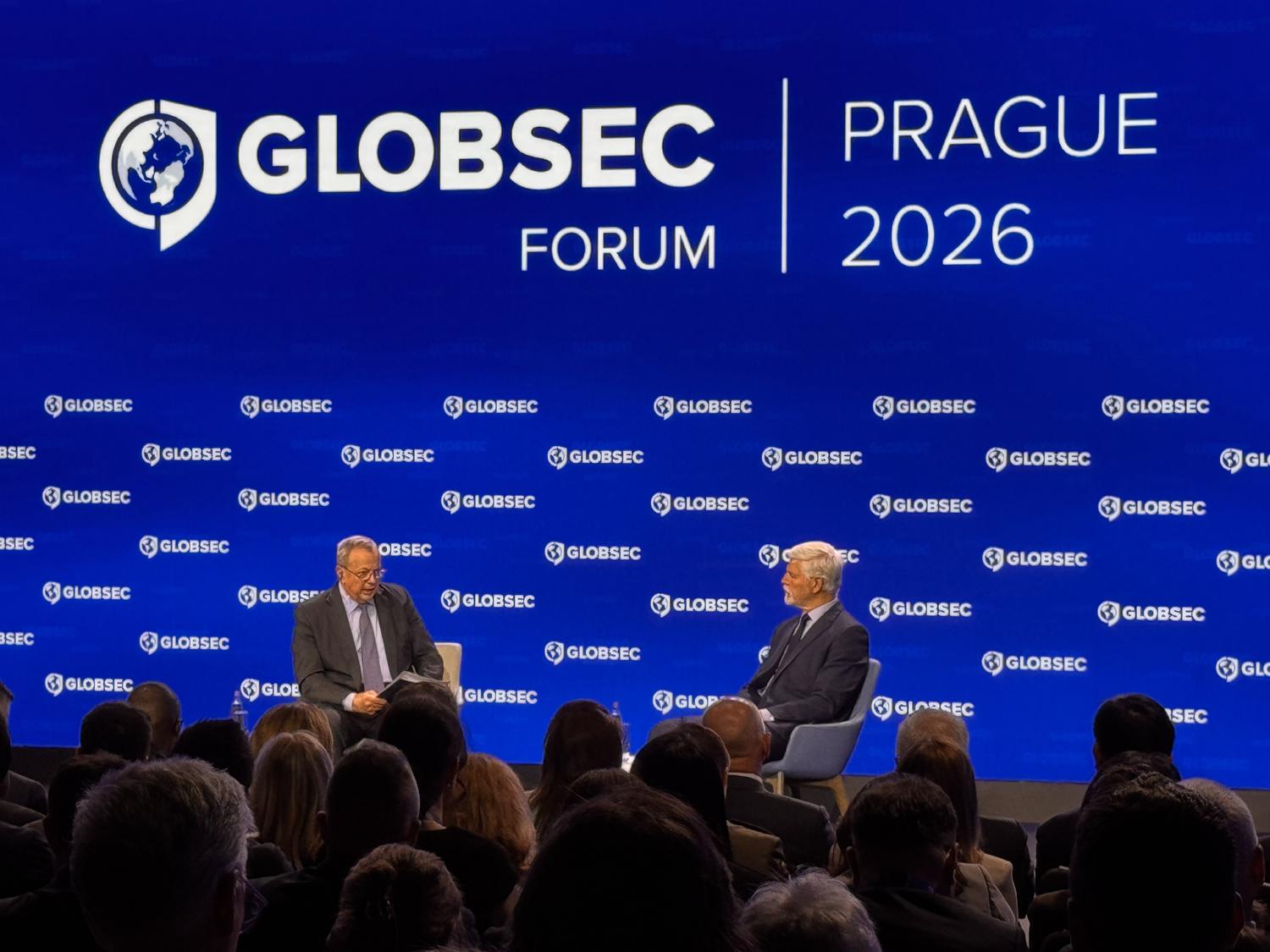
During the GLOBSEC Defence Forum 2026 in Prague, representatives of “Steel Front”, an initiative by Rinat Akhmetov, discussed with NATO delegations, military officials, and representatives of the European defense industry the lessons learned from Russia’s full-scale war against Ukraine.
After the start of the full-scale invasion in February 2022, Ukraine witnessed an unprecedented wave of private support for the army. Citizens, big businesses, charitable foundations, and international philanthropists began financing the country’s defense alongside state assistance provided by international partners. Estimates of total private contributions range from tens to hundreds of billions of hryvnias. However, determining the exact amount remains difficult. In many cases, companies combine military aid, humanitarian programs, tax payments, social spending, and employee support in their reporting.
Rinat Akhmetov’s military initiative, “Steel Front”, has delivered a batch of drones worth UAH 214 million to the 1st “Azov” Corps of the National Guard of Ukraine. This shipment is part of the Metinvest Group’s ongoing support for the unit in 2025.
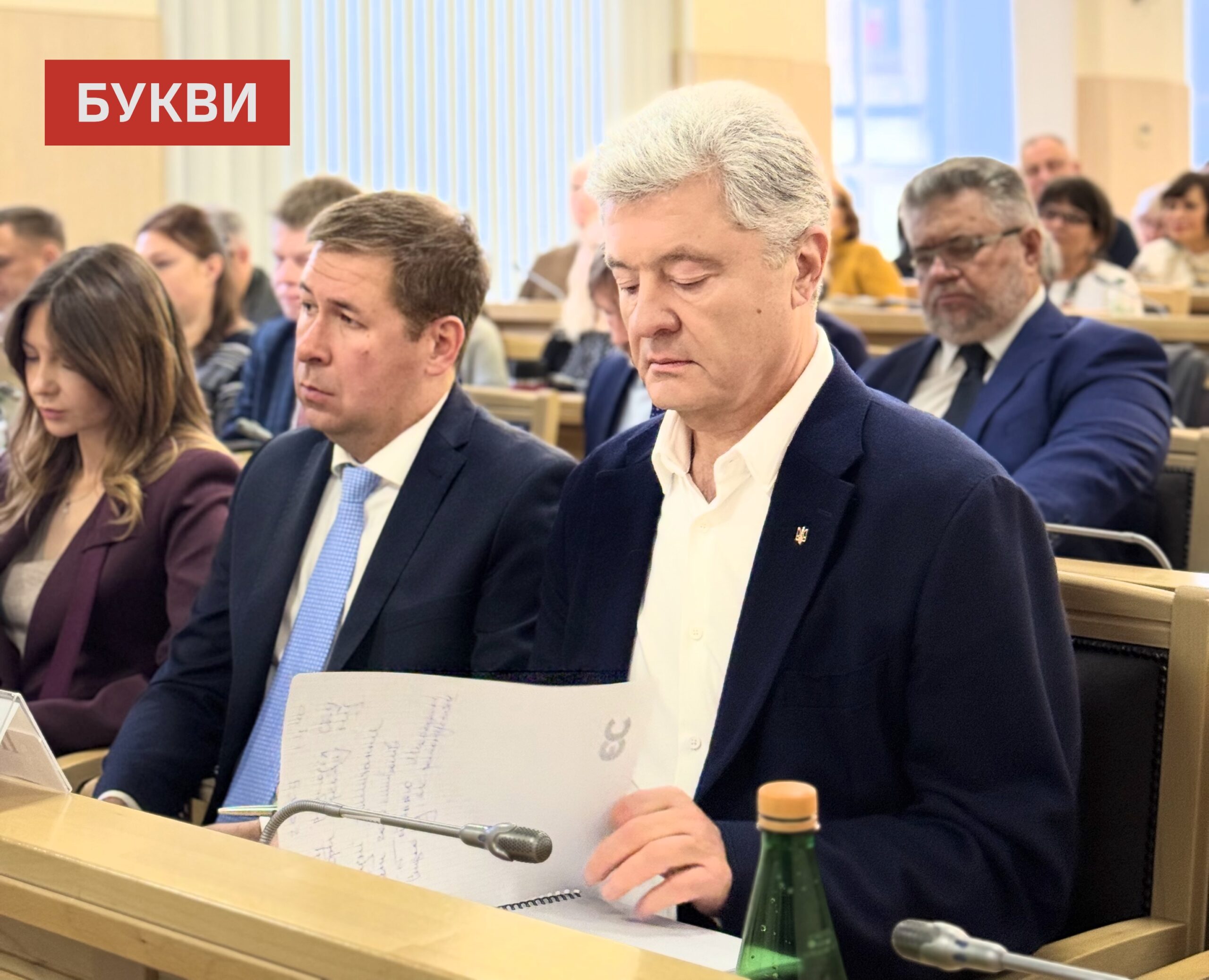
On October 6, the Administrative Cassation Court within the Supreme Court of Ukraine continued hearing case No. 990/80/25, in which the fifth President and leader of the party “European Solidarity”, Petro Poroshenko, seeks to have Presidential Decree No. 81/2025 from February 12, 2025 — enacting sanctions by the decision of the National Security and Defense Council (NSDC) — declared illegal and annulled. The plaintiff claims the document was falsified and that the sanctions are a tool of political persecution of the opposition, contrary to international norms. Government representatives deny the allegations and insist their actions were lawful. Journalists of Bukvy were present at the hearing.