

Ukraine’s parliament approves bill to dissolve medical expert commissions in 2025
Source: Yaroslav Zheleznyak
In a bid to address corruption in medical expert commissions, Ukraine’s Verkhovna Rada has gone for the easiest solution – it has passed a bill to dissolve them, with 259 deputies voting in favor. Starting January 1, the current MSEC system will be replaced with expert commissions established in what is called cluster and supra-cluster hospitals. This move follows a decree signed by President Volodymyr Zelenskyy to dismantle MSEC by December 31, 2024.
It started on On October 4 when the State Bureau of Investigation (SBI) uncovered corruption involving the head of the Khmelnytskyi Regional Center of Medical-Social Expertise, Tetiana Krupa, and her son, a senior official in the regional Pension Fund. Searches at their residences revealed approximately $5.2 million in cash, 300,000 euros, over 5 million hryvnias, and luxury jewelry, the origins of which they failed to explain.
The Anti-Corruption Court upheld her detention on December 9. This scandal drew a strong public reaction, prompting further inspections of MSEC employees and uncovering cases of fake disability certifications. Among those caugh red-handed were the head of Mykolaiv’s MSEC, with over $450,000 in cash found during searches, and a Central MSEC official caught taking bribes in November.
Investigators found that 61 prosecutors in Khmelnytskyi, including the regional prosecutor Oleksandr Oliinyk, had fraudulently obtained disability statuses to dodge the military service. Record also revealed that at least 50 identified “disabled” prosecutors collectively claimed 54.1 million hryvnias in pensions funded by taxpayers.
In recent days, Moscow’s official rhetoric has been dominated by hysteria over the decision of…
In 2025, the deadliest year yet for civilians, Ukraine’s three largest charitable foundations raised a record 105.9 billion hryvnias. It is more than the years 2022–2024 combined. According to the UN, humanitarian aid in Ukraine was delivered by more than 450 organisations, reaching five million people over the course of the year. Civic foundations hold licences to purchase lethal weapons, which is a function states have monopolised for centuries. These record sums were underwritten by international government grants, which means foreign states now channel billions directly through Ukrainian civic funds, bypassing inter-state channels. It is hard to imagine a stronger institutional trust in civil society.
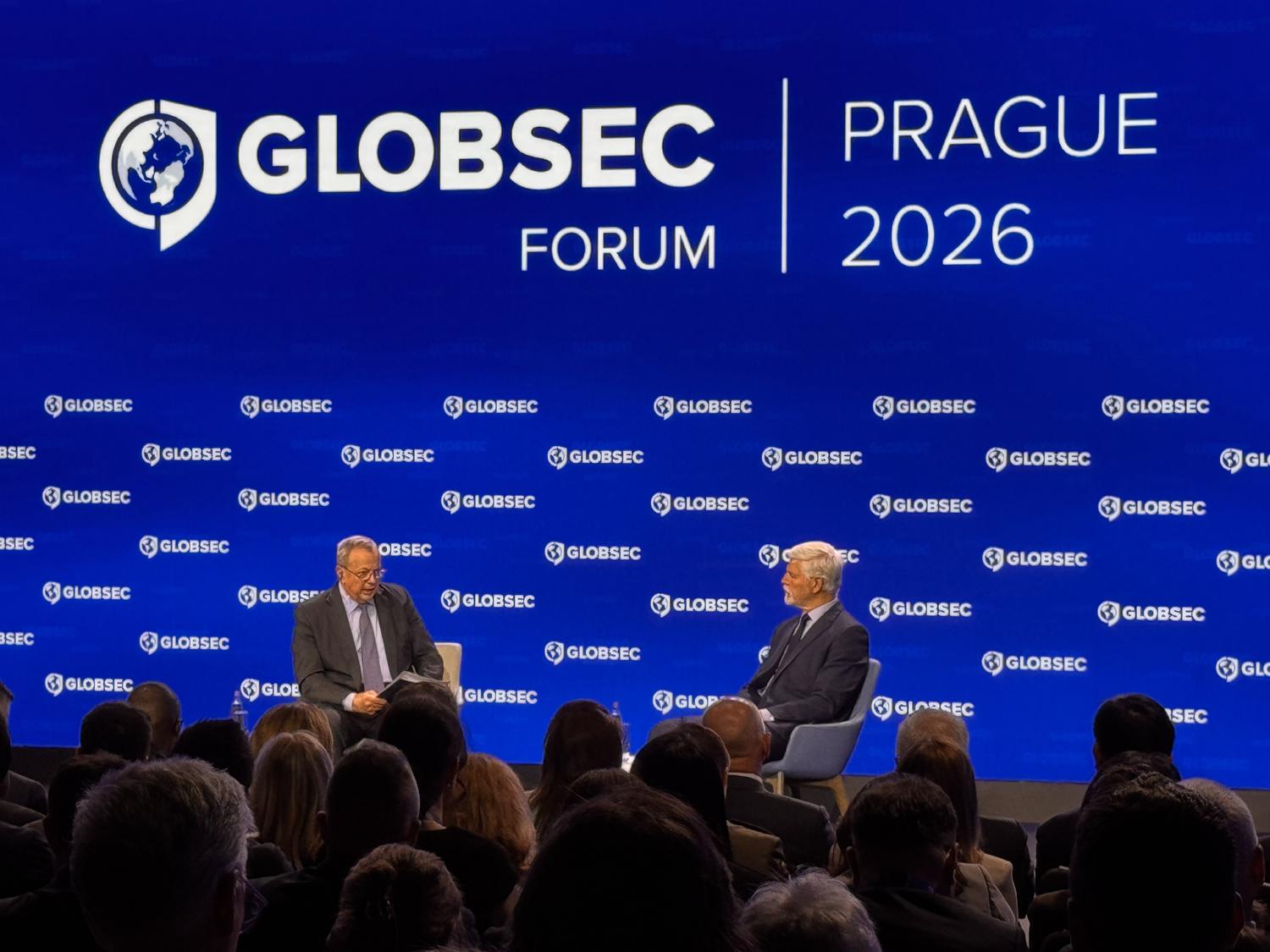
During the GLOBSEC Defence Forum 2026 in Prague, representatives of “Steel Front”, an initiative by Rinat Akhmetov, discussed with NATO delegations, military officials, and representatives of the European defense industry the lessons learned from Russia’s full-scale war against Ukraine.
After the start of the full-scale invasion in February 2022, Ukraine witnessed an unprecedented wave of private support for the army. Citizens, big businesses, charitable foundations, and international philanthropists began financing the country’s defense alongside state assistance provided by international partners. Estimates of total private contributions range from tens to hundreds of billions of hryvnias. However, determining the exact amount remains difficult. In many cases, companies combine military aid, humanitarian programs, tax payments, social spending, and employee support in their reporting.
Rinat Akhmetov’s military initiative, “Steel Front”, has delivered a batch of drones worth UAH 214 million to the 1st “Azov” Corps of the National Guard of Ukraine. This shipment is part of the Metinvest Group’s ongoing support for the unit in 2025.