


Ukraine’s parliament approves new tax hike bill in first rading
Source: Yaroslav Zheleznyak/Telegram
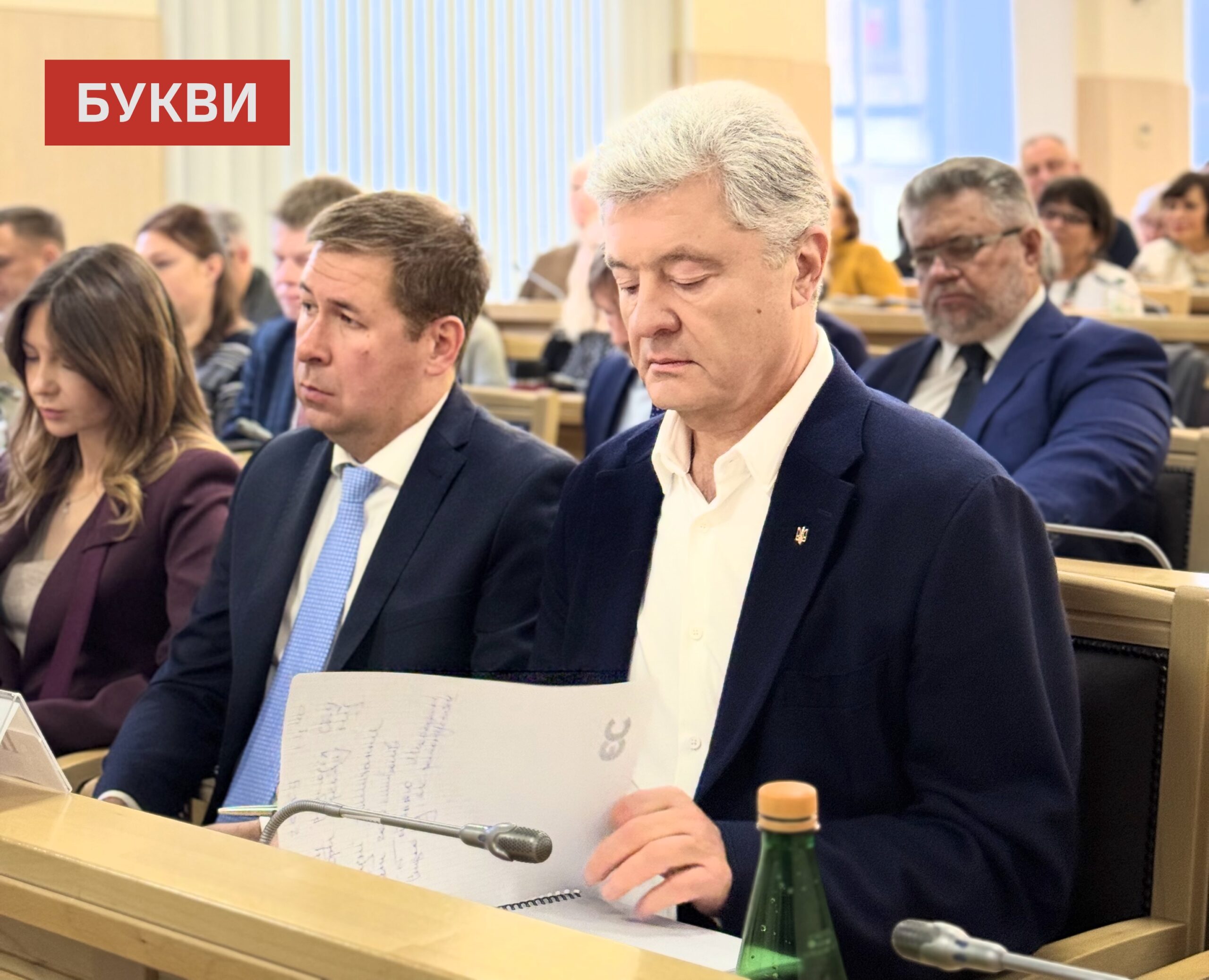
Big changes could be on the way for taxpayers in Ukraine after the country’s parliament backed a new tax hike bill in its first reading on Tuesday. The measure is projected to bring in additional 58 billion hryvnias in revenue this year alone, and massive 137 billion hryvnias next year. The bill No. 11416-d received support from 241 MPs and is now moving to its next stage.
If green-lit in its final reading, taxpayers and businesses will have to deal with the following changes:
- The military tax will jump from 1.5% to a hefty 5%.
- Small businesses known as FOPs won’t escape either. Business community in categories 1, 2, and 4 will be hit with a 10% military tax.
- Those in category 3 will see a 1% tax on their earnings.
- Advanced payments are coming into play for fuel retailers.
- Non-bank financial institutions will have to pay 25% profit tax.
- Banks will deal with 50% profit tax in 2024.
In addition, monthly reporting on personal income tax is set to become the norm.
This comes after the Verkhovna Rada previously rejected an first version of the bill on September 3, which initially was projected to bring in 30 billion hryvnias.
Opposition to the tax hikes has been brewing, with some MPs, like Nina Yuzhanina of the “European Solidarity” party, warning of the potential fallout. Yuzhanina said that the 5% military tax may prove too much for businesses, forcing some of them to turn to the shadow economy to survive.
“The 5% tax rate is extremely high and will push businesses into the shadows. It’s a rule of thumb—every time you raise the cost of doing business, people look for ways around it.” she stated.
She’s especially concerned that the new policy will hit small entrepreneurs, many of whom have no income or are busy volunteering let alone family-run farms—these new rules could really make life difficult for them too.
According to Yuzhanina, while everyone wants to support Ukraine’s Army, these tax hikes are too big of a burden for ordinary Ukrainians. She’s also flagged concerns about the increasing exodus of businesses moving abroad due to energy and security challenges.
“By the end of the year, people will have to pay 30 billion hryvnias, and by next year, it will be 114 billion. And they will put on the shoulders of ordinary Ukrainians.”
The National Bank of Ukraine voiced their concerns too, warning that higher taxes could lead to even more inflation, and drive up prices on everyday goods.
In recent days, Moscow’s official rhetoric has been dominated by hysteria over the decision of…
In 2025, the deadliest year yet for civilians, Ukraine’s three largest charitable foundations raised a record 105.9 billion hryvnias. It is more than the years 2022–2024 combined. According to the UN, humanitarian aid in Ukraine was delivered by more than 450 organisations, reaching five million people over the course of the year. Civic foundations hold licences to purchase lethal weapons, which is a function states have monopolised for centuries. These record sums were underwritten by international government grants, which means foreign states now channel billions directly through Ukrainian civic funds, bypassing inter-state channels. It is hard to imagine a stronger institutional trust in civil society.
During the GLOBSEC Defence Forum 2026 in Prague, representatives of “Steel Front”, an initiative by Rinat Akhmetov, discussed with NATO delegations, military officials, and representatives of the European defense industry the lessons learned from Russia’s full-scale war against Ukraine.
After the start of the full-scale invasion in February 2022, Ukraine witnessed an unprecedented wave of private support for the army. Citizens, big businesses, charitable foundations, and international philanthropists began financing the country’s defense alongside state assistance provided by international partners. Estimates of total private contributions range from tens to hundreds of billions of hryvnias. However, determining the exact amount remains difficult. In many cases, companies combine military aid, humanitarian programs, tax payments, social spending, and employee support in their reporting.
Rinat Akhmetov’s military initiative, “Steel Front”, has delivered a batch of drones worth UAH 214 million to the 1st “Azov” Corps of the National Guard of Ukraine. This shipment is part of the Metinvest Group’s ongoing support for the unit in 2025.