


Ukrainian commander denounces broken promises on Azovstal defenders’ release
Source: Denys Prokopenko/Facebook
On July 29, a day marking the tragic deaths of Ukrainian POWs in Olenivka prison, Azov Brigade commander Denys “Redis” Prokopenko voiced his frustration over the stalled prisoner swap, warning that it could reach a point where “there will be no one to exchange.”
Released from Russian captivity in September 2022, Prokopenko expressed bitterness over the nearly two-year-long neglect of the guarantees given to the Azovstal holdouts following their exit from the steel plant in besieged Mariupol.
The prisoner swap had been arranged by the United Nations, the International Committee of the Red Cross, Russian officials, and Ukrainian leaders in May 2022. It promised the “preservation of each serviceman’s life, no torture, and prompt exchange.” However, Prokopenko agues, “The Russians, with their characteristic treachery, have ignored all these points.”
He condemned the killing of 53 unarmed Azov fighters in Olenivka, noting that modern history does not have similar examples of inhumane cruelty towards POWs.
The situation raises uncomfortable questions for the parties who acted as swap guarantors. Prokopenko questioned whether they “made all possible efforts, explored all options, and used the necessary leverage on the Russians” to ensure the promised prisoner exchange could happen three to four months after what Ukraine called their “extraction” procedure.
The Ukrainian military commander stressed that Ukraine is running out of time as the health of Ukrainian POWs deteriorates in captivity. “It is difficult to convey in words what one day in Russian captivity is like. There is no time. Constant torture, hunger, the demonstrative execution in Olenivka, illegal trials, and life sentences. Soon there will be no one left to exchange,” the embittered commander warned.
In my previous column, I wrote about social innovations in Ukraine. Those innovations are part of civic resilience and the democratization of security, which Europe is paying close attention to right now. The EU is trying to work out how to spread responsibility for its own security across society as a whole, rather than leaving it to institutions alone. It is looking for concrete ways to bring ordinary people into the work of defense and resistance.
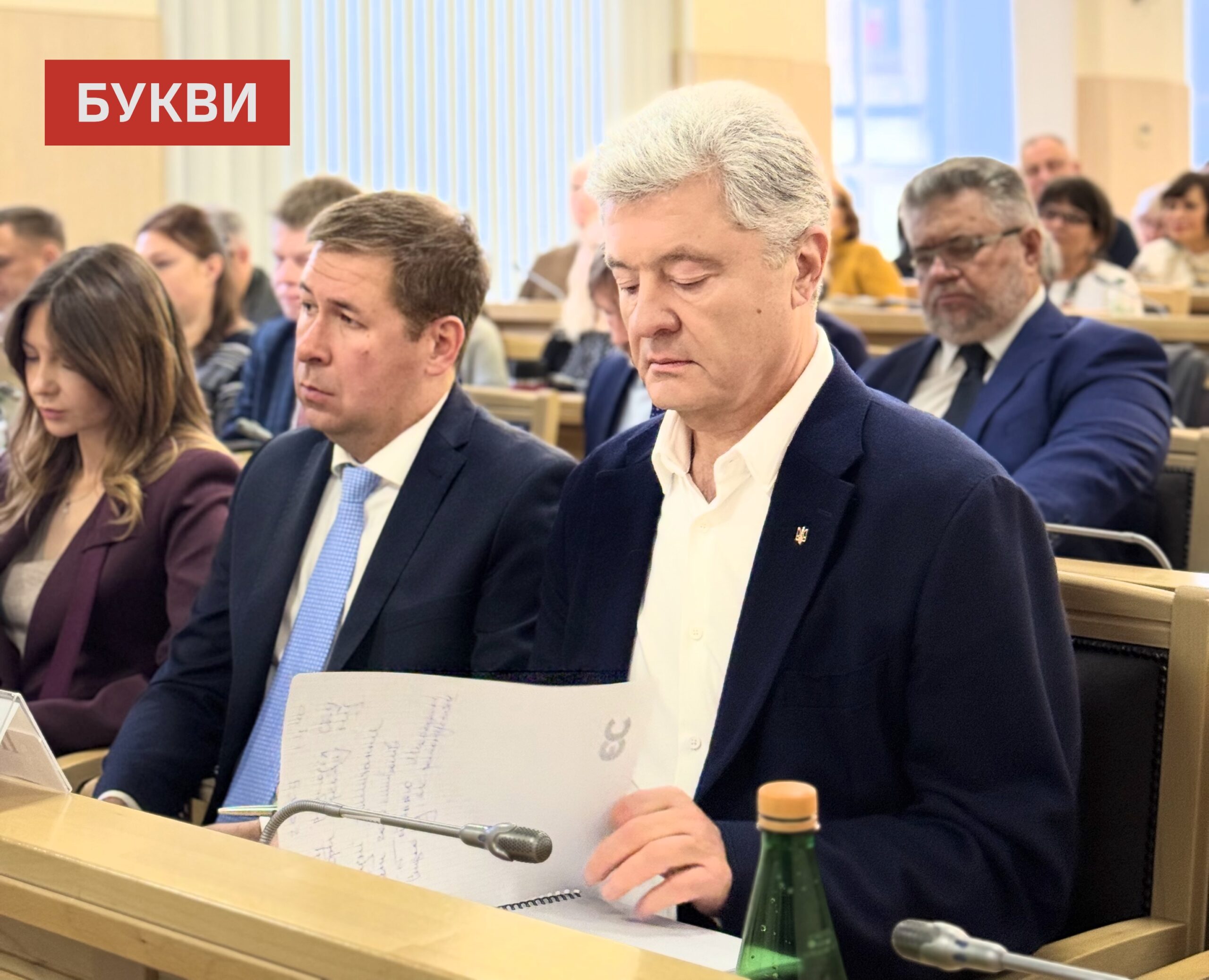
Petro Poroshenko’s lawyers have appealed to the High Anti-Corruption Court demanding that NABU be obligated to register proceedings regarding the fact of exerting influence on the court and to recognize Petro Poroshenko as a victim in the case of the Deputy Head of the Office of the President, Iryna Mudra, due to her pressure on Supreme Court judges who were considering a lawsuit to overturn sanctions.
Internationally recognized brands and financial institutions should direct capital to Ukraine now, not waiting for the hostilities to end. This was emphasized by Rinat Akhmetov, president of FC Shakhtar, during a working visit to UEFA headquarters in Nyon, Switzerland, where he met with UEFA President Aleksander Čeferin.
In recent days, Moscow’s official rhetoric has been dominated by hysteria over the decision of…
In 2025, the deadliest year yet for civilians, Ukraine’s three largest charitable foundations raised a record 105.9 billion hryvnias. It is more than the years 2022–2024 combined. According to the UN, humanitarian aid in Ukraine was delivered by more than 450 organisations, reaching five million people over the course of the year. Civic foundations hold licences to purchase lethal weapons, which is a function states have monopolised for centuries. These record sums were underwritten by international government grants, which means foreign states now channel billions directly through Ukrainian civic funds, bypassing inter-state channels. It is hard to imagine a stronger institutional trust in civil society.