

Ukrainian PM sheds light on talks with Slovakia’s counterpart
Source: Denys Shmygal/Telegram
In his statement on Telegram, Ukraine’s prime mininster Denys Shmyhal shared the latest on his discussions with Slovak counterpart Robert Fico over the transit of Russian oil. The talks focused on the energy security issues and were held in a “pragmatic and cooperative spirit”.
Ukrainian prime minister oullined the six key areas that need to be addressed.
- Ukraine continues to press for a complete reduction in reliance on Russian oil. According to Shmyhal, Russia’s energy practices are fundamentally at odds with global energy security standards. While the EU has permitted Slovakia and a few other countries to use Russian oil with the caveat of developing alternative supply routes, Ukraine remains adamant about severing ties with Russian energy sources.
- Kyiv remains a reliable transit partner. Shmyhal reaffirmed Ukraine’s role as a dependable transit nation for countries that value freedom and the rule of law. Ukraine remains dedicated to its commitments under the EU Association Agreement.
- Ukrainian-imposed sanctions shouldn’t be viewed as a threat to Slovakia’s energy security, and their removal is not under discussion. Shmyhal noted that there is full understanding from Brussels on this matter.
- Ukraine sees Slovakia a partner and wants to avoid “any form of blackmail or threats”. Shmyhal emphasized that using Ukraine’s defensive efforts against aggression to benefit a state known for terrorist activities is unacceptable.
- The real threat to Slovakia’s energy security comes from Russia and its hybrid tactics, not from Ukrainian sanctions.
Shmyhal expressed his gratitude to his Slovak counterpart for the “important and constructive discussions”.
Both leaders have agreed to meet again in October to continue their dialogue.
In my previous column, I wrote about social innovations in Ukraine. Those innovations are part of civic resilience and the democratization of security, which Europe is paying close attention to right now. The EU is trying to work out how to spread responsibility for its own security across society as a whole, rather than leaving it to institutions alone. It is looking for concrete ways to bring ordinary people into the work of defense and resistance.
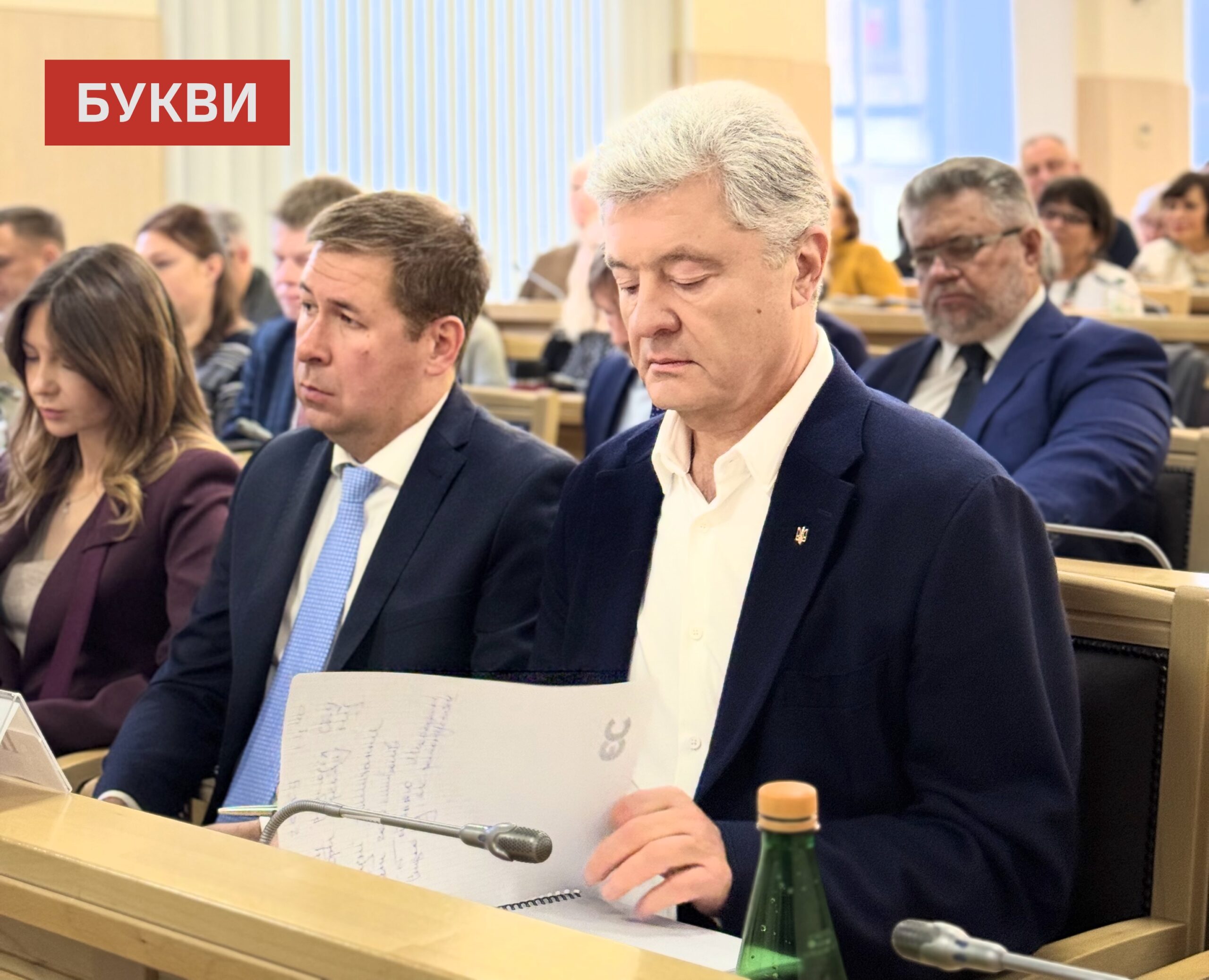
Petro Poroshenko’s lawyers have appealed to the High Anti-Corruption Court demanding that NABU be obligated to register proceedings regarding the fact of exerting influence on the court and to recognize Petro Poroshenko as a victim in the case of the Deputy Head of the Office of the President, Iryna Mudra, due to her pressure on Supreme Court judges who were considering a lawsuit to overturn sanctions.
Internationally recognized brands and financial institutions should direct capital to Ukraine now, not waiting for the hostilities to end. This was emphasized by Rinat Akhmetov, president of FC Shakhtar, during a working visit to UEFA headquarters in Nyon, Switzerland, where he met with UEFA President Aleksander Čeferin.
In recent days, Moscow’s official rhetoric has been dominated by hysteria over the decision of…
In 2025, the deadliest year yet for civilians, Ukraine’s three largest charitable foundations raised a record 105.9 billion hryvnias. It is more than the years 2022–2024 combined. According to the UN, humanitarian aid in Ukraine was delivered by more than 450 organisations, reaching five million people over the course of the year. Civic foundations hold licences to purchase lethal weapons, which is a function states have monopolised for centuries. These record sums were underwritten by international government grants, which means foreign states now channel billions directly through Ukrainian civic funds, bypassing inter-state channels. It is hard to imagine a stronger institutional trust in civil society.