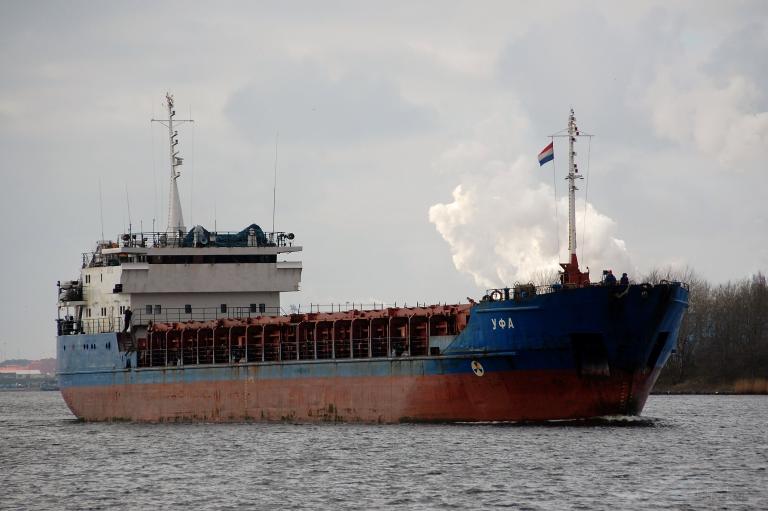



‘On brink of blackout’ – Ukenergo comments on situation at Zaporizhia nuclear plant
Source: Energoatom
In a concerning update from Energoatom, the Zaporizhzhia nuclear power plant is once again teetering on the edge of a blackout.
Occupied by Russian troops in 2022, the plant saw its”Ferrosplavnaya’ PL-330kV high-voltage line damaged in Russian shelling on August 22. The line is crucial as it supplies the nuclear power plant with electricity from the Ukrainian power grid and is needed for its “operational needs”.
Currently, the site remains connected to the Ukrainian power grid through the one remaining transmission line – PL-750kV “Dniprovska.” The worst-case scenario can happen if it is damaged, which can leave the plant reactor cores and spent fuel pools withouth energy needed for their cooling.
Energoatom is gravely concerned over such scenario. “Under the control of Russian invaders, who occupy the plant, the degradation of the plant’s operations is deepening. Following a recent fire that destroyed one of the two cooling towers due to negligence or deliberate arson, the threat of losing external power now adds to the risks. The lack of competent, qualified, and licensed personnel, combined with the plant’s conversion into a military base, makes safe operation nearly impossible,” Energoatom said in a statement on Friday.
Energoatom demands that the Zaporizhzhia nuclear power plant be returned under Ukrainian control, and Russian forces must withdraw from the facility along with their equipment.
The company warned, “Since the beginning of the Russian occupation, the Zaporizhzhia nuclear power plant has already experienced eight complete blackouts and one partial blackout, which necessitated the use of emergency diesel generators and safety systems. Failure of these systems could trigger a catastrophic emergency.”
In recent days, Moscow’s official rhetoric has been dominated by hysteria over the decision of…
In 2025, the deadliest year yet for civilians, Ukraine’s three largest charitable foundations raised a record 105.9 billion hryvnias. It is more than the years 2022–2024 combined. According to the UN, humanitarian aid in Ukraine was delivered by more than 450 organisations, reaching five million people over the course of the year. Civic foundations hold licences to purchase lethal weapons, which is a function states have monopolised for centuries. These record sums were underwritten by international government grants, which means foreign states now channel billions directly through Ukrainian civic funds, bypassing inter-state channels. It is hard to imagine a stronger institutional trust in civil society.
During the GLOBSEC Defence Forum 2026 in Prague, representatives of “Steel Front”, an initiative by Rinat Akhmetov, discussed with NATO delegations, military officials, and representatives of the European defense industry the lessons learned from Russia’s full-scale war against Ukraine.
After the start of the full-scale invasion in February 2022, Ukraine witnessed an unprecedented wave of private support for the army. Citizens, big businesses, charitable foundations, and international philanthropists began financing the country’s defense alongside state assistance provided by international partners. Estimates of total private contributions range from tens to hundreds of billions of hryvnias. However, determining the exact amount remains difficult. In many cases, companies combine military aid, humanitarian programs, tax payments, social spending, and employee support in their reporting.
Rinat Akhmetov’s military initiative, “Steel Front”, has delivered a batch of drones worth UAH 214 million to the 1st “Azov” Corps of the National Guard of Ukraine. This shipment is part of the Metinvest Group’s ongoing support for the unit in 2025.