
Russia develops a network of reeducation camps for Ukrainian children – reports
Source: Regional Center for Human Rights/Facebook
Investigation by Ukraine’s Regional Center for Human Rights has identified the locations of Russian “reeducation camps” for Ukrainian children. At least, 13 such facilities have been found in occupied Ukrainian territory, 18 in Belarus, and 67 in Russia.
The growing number of such ‘reformation’ estalishments comes as a blatant attempt to “erase national identity, forcibly assimilate Ukrainian children” turning them into a tool for “Russia’s geopolitical objectives”.
Promoted as camps for children’s “recreation” or “rehabilitation”, they subject children to “intense propaganda fostering loyalty to their new homeland.” Children are also taught military skills in line with the standards of conscript soldier training.
In 2024, Russia’s goverment has reportedly increased funding of such camps by 11.6% compared to last year – it now stands at 76.8 billion rubles. According to statements from the occupation administrations, at least 40,000 Ukrainian children were sent to these “reeducation camps” during the summer of 2024 as part of the “Useful Vacations” project—almost twice as many as the previous year. Children from the occupied territories visited Moscow, St. Petersburg, Rostov-on-Don, and Tula as part of programs like “Cultural Map 4+85,” “Youth Route,” and “University Shifts.”
Moscow is actively expanding its network of “reeducation camps” in the occupied Ukrainian regions – it even opened a branch of the occupied “Artek” camp in Berdyansk, Zaporizhzhia region. Another factor that contributes to ‘militarization’ of Ukrainian children is activities of “Akhmat” Peoples’ Friendship Academy and the “Warrior” center, led by Chechen goverment. Chechen officials launched a program called “Heroes’ Hour,” that sees Ukrainian children taught to shoot rifles, parachute, operate drones, and lay mines.
Human rights activists believe that such political indoctrination and militarization are international crimes that demand more decisive action.
Amendments to Ukraine’s enforcement proceedings legislation, initiated by the Ministry of Justice of Ukraine, have entered into force. Among other measures, the reform provides for the automated lifting of attachments on bank accounts immediately after debts in enforcement proceedings have been fully settled. The main practical benefit for citizens is the complete elimination of the need to contact an enforcement officer in person and wait for paper decisions once the debt has been paid.
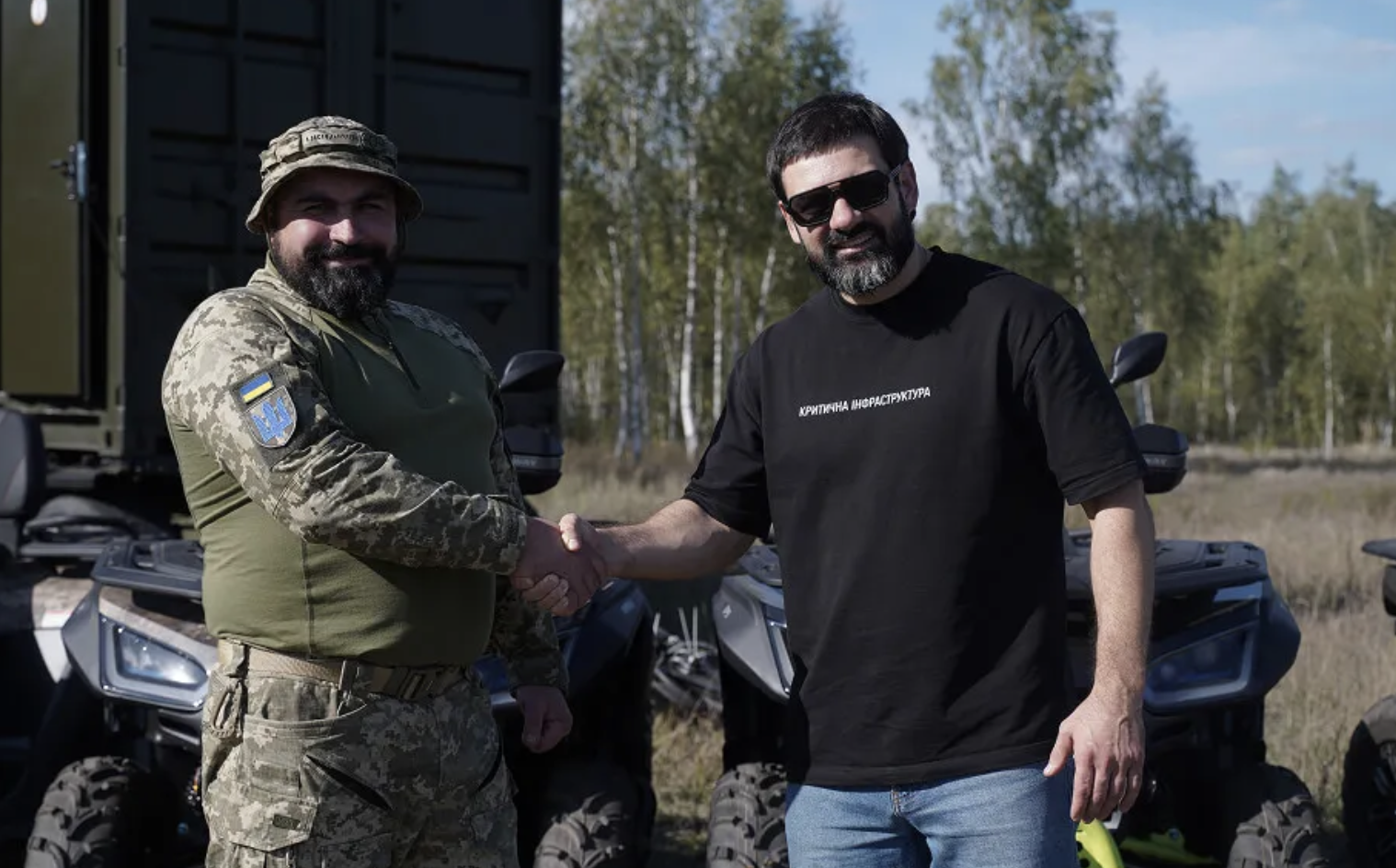
The 157th Separate Mechanized Brigade has received another batch of supplies as part of Rinat Akhmetov’s Steel Front military initiative. This time, the military received seven quad bikes and four mobile shower and bath units.
In my previous column, I wrote about social innovations in Ukraine. Those innovations are part of civic resilience and the democratization of security, which Europe is paying close attention to right now. The EU is trying to work out how to spread responsibility for its own security across society as a whole, rather than leaving it to institutions alone. It is looking for concrete ways to bring ordinary people into the work of defense and resistance.
Petro Poroshenko’s lawyers have appealed to the High Anti-Corruption Court demanding that NABU be obligated to register proceedings regarding the fact of exerting influence on the court and to recognize Petro Poroshenko as a victim in the case of the Deputy Head of the Office of the President, Iryna Mudra, due to her pressure on Supreme Court judges who were considering a lawsuit to overturn sanctions.
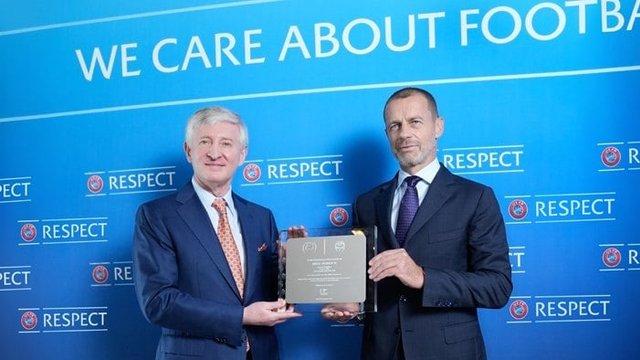
Internationally recognized brands and financial institutions should direct capital to Ukraine now, not waiting for the hostilities to end. This was emphasized by Rinat Akhmetov, president of FC Shakhtar, during a working visit to UEFA headquarters in Nyon, Switzerland, where he met with UEFA President Aleksander Čeferin.