Ukraine’s goverenment introduces rules for transporting medical cannabis
Source: Ukraine’s health ministry
In a bid to regulate its emerging medical cannabis industry, the Ukrainian government has set guidelines for transporting it within the country. Revealed by the Ministry of Health, the regulations will focus on the safe and secure transfer of cannabis-based products, ensuring a structured process that keeps everything in check.
Under these new rules, businesses of all types holding the proper license for handling narcotics, psychotropic substances, and precursors are now officially allowed to transport medical cannabis. It will include transporting raw cannabis plants for medical purposes, cannabis-based substances, and medications derived from these plants.
Companies can either handle transportation themselves or hire external licensed carriers. However, a key requirement is the responsibility for the safety and confidentiality of the cargo. Businesses must ensure the involvement of state security services to guard each shipment while security firms must follow strict protocols.
For larger shipments—those exceeding 10 liters or kilograms of active cannabis material—vehicles must be equipped with satellite tracking systems. Smaller shipments, under 10 liters or kilograms, can be transported within city or regional boundaries without requiring the security services, though the company still bears full responsibility for safeguarding the goods.
Medical cannabis can only be moved via road or air but sending it through mail or by train is a strict no-go.
In addition, every shipment must be accompanied by an authorized representative from the company. The receipt of the cargo is confirmed through a waybill, which includes the vehicle’s registration number and is signed by the authorized person. This person is also tasked with keeping detailed records of each shipment, documenting the total weight, number of packages, final destination, and other critical information, either in physical or digital form.
Amendments to Ukraine’s enforcement proceedings legislation, initiated by the Ministry of Justice of Ukraine, have entered into force. Among other measures, the reform provides for the automated lifting of attachments on bank accounts immediately after debts in enforcement proceedings have been fully settled. The main practical benefit for citizens is the complete elimination of the need to contact an enforcement officer in person and wait for paper decisions once the debt has been paid.
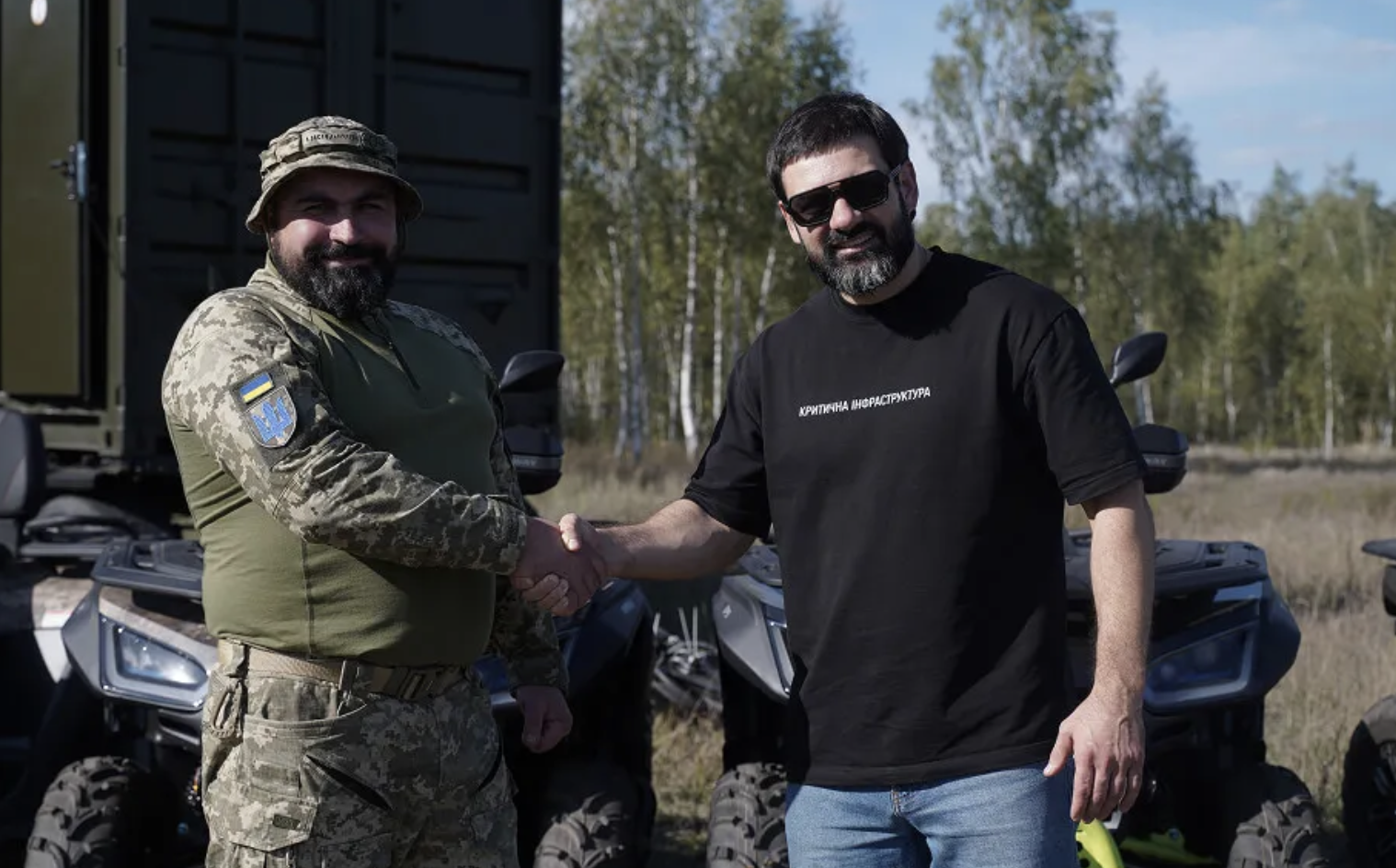
The 157th Separate Mechanized Brigade has received another batch of supplies as part of Rinat Akhmetov’s Steel Front military initiative. This time, the military received seven quad bikes and four mobile shower and bath units.
In my previous column, I wrote about social innovations in Ukraine. Those innovations are part of civic resilience and the democratization of security, which Europe is paying close attention to right now. The EU is trying to work out how to spread responsibility for its own security across society as a whole, rather than leaving it to institutions alone. It is looking for concrete ways to bring ordinary people into the work of defense and resistance.
Petro Poroshenko’s lawyers have appealed to the High Anti-Corruption Court demanding that NABU be obligated to register proceedings regarding the fact of exerting influence on the court and to recognize Petro Poroshenko as a victim in the case of the Deputy Head of the Office of the President, Iryna Mudra, due to her pressure on Supreme Court judges who were considering a lawsuit to overturn sanctions.
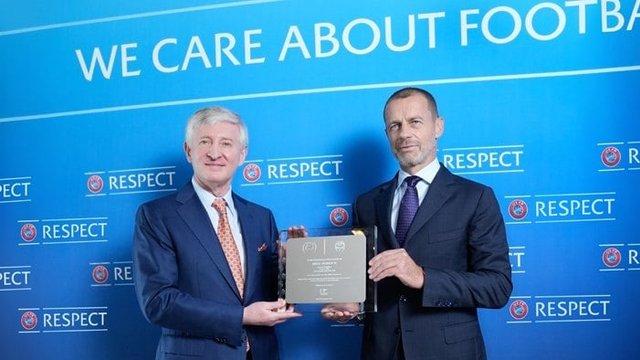
Internationally recognized brands and financial institutions should direct capital to Ukraine now, not waiting for the hostilities to end. This was emphasized by Rinat Akhmetov, president of FC Shakhtar, during a working visit to UEFA headquarters in Nyon, Switzerland, where he met with UEFA President Aleksander Čeferin.