
Odesa mayor voices opposition to street renaming campaign
Source: Genadiy Trukhanov/Telegram
Odesa Mayor Gennadiy Trukhanov is not excited about the plan of the regional goverment to rename streets in the city.
Late July saw local publication “Dumskaya” revealed a list of 85 streets, alleys, boulevards, squares, avenues, and slopes set for a name change. The controversial plan that got a go-ahead from the regional governor Oleh Kiper has sparked a citywide debate.
On Thursday, Trukhanov recorded a 8-minute video distancing Odesa officials in the renaming campaign. He specifically opposed the renaming of Pushkinskaya, Bunina, Vira Inber, Zhukovskogo, Babelya, Ilf and Petrov, and Zhvanetsky Boulevard.
“According to the logic of the ‘decolonizers,’ we should abandon everything that has made Odesa a global brand. Simply put, this ‘nullifies’ our city,” Trukhanov lamented.
He argued that stripping monuments and renaming central streets would ruin UNESCO-protected cultural heritage sites.
In a savvy move, Trukhanov and some local Telegram channels launched a poll that saw a clear split on the new policy – 95,278 people voted against the renaming and 93,641 in favor. The city mayor argued its results were swayed by voters from others Ukrainian cities.
“We appreciate your concern for our city, but I emphasize: the fate of Odesa should be decided by true Odesa residents,” he stated.
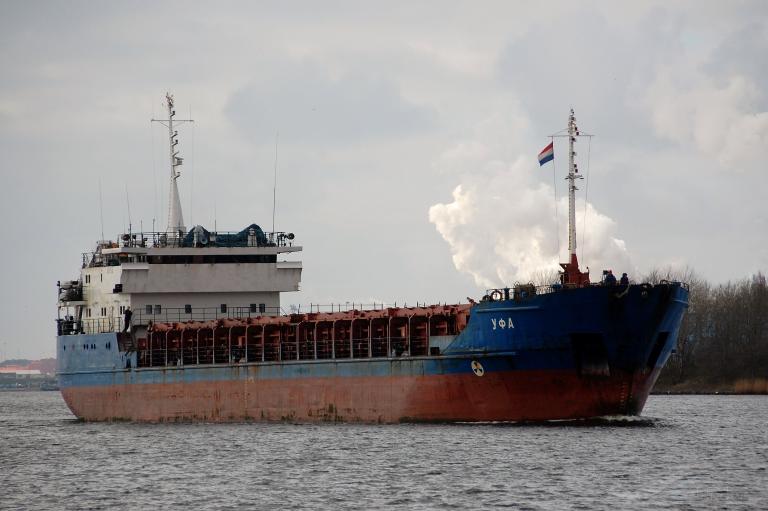
The mayor words got an emotional response from the regional governor. Oleh Kiper said, “Odesa is and remains a Ukrainian city, created, built, and developed by Ukrainians. In the current realities, there is no place in a Ukrainian city for streets named after people who received medals from Putin or collaborated with the KGB or praised the Soviet Union and empire. If someone wants to stroll along streets with imperial/Soviet names, there is Moscow and Ufa, but not Ukrainian Odesa. This will not happen in Odesa.”
Activist Serhiy Sternenko chimed in, accusing Trukhanov of pushing an “anti-Ukrainian agenda” and reminding everyone of the corruption charges against the mayor, who holds a Russian passport yet faces no consequences.
Amendments to Ukraine’s enforcement proceedings legislation, initiated by the Ministry of Justice of Ukraine, have entered into force. Among other measures, the reform provides for the automated lifting of attachments on bank accounts immediately after debts in enforcement proceedings have been fully settled. The main practical benefit for citizens is the complete elimination of the need to contact an enforcement officer in person and wait for paper decisions once the debt has been paid.
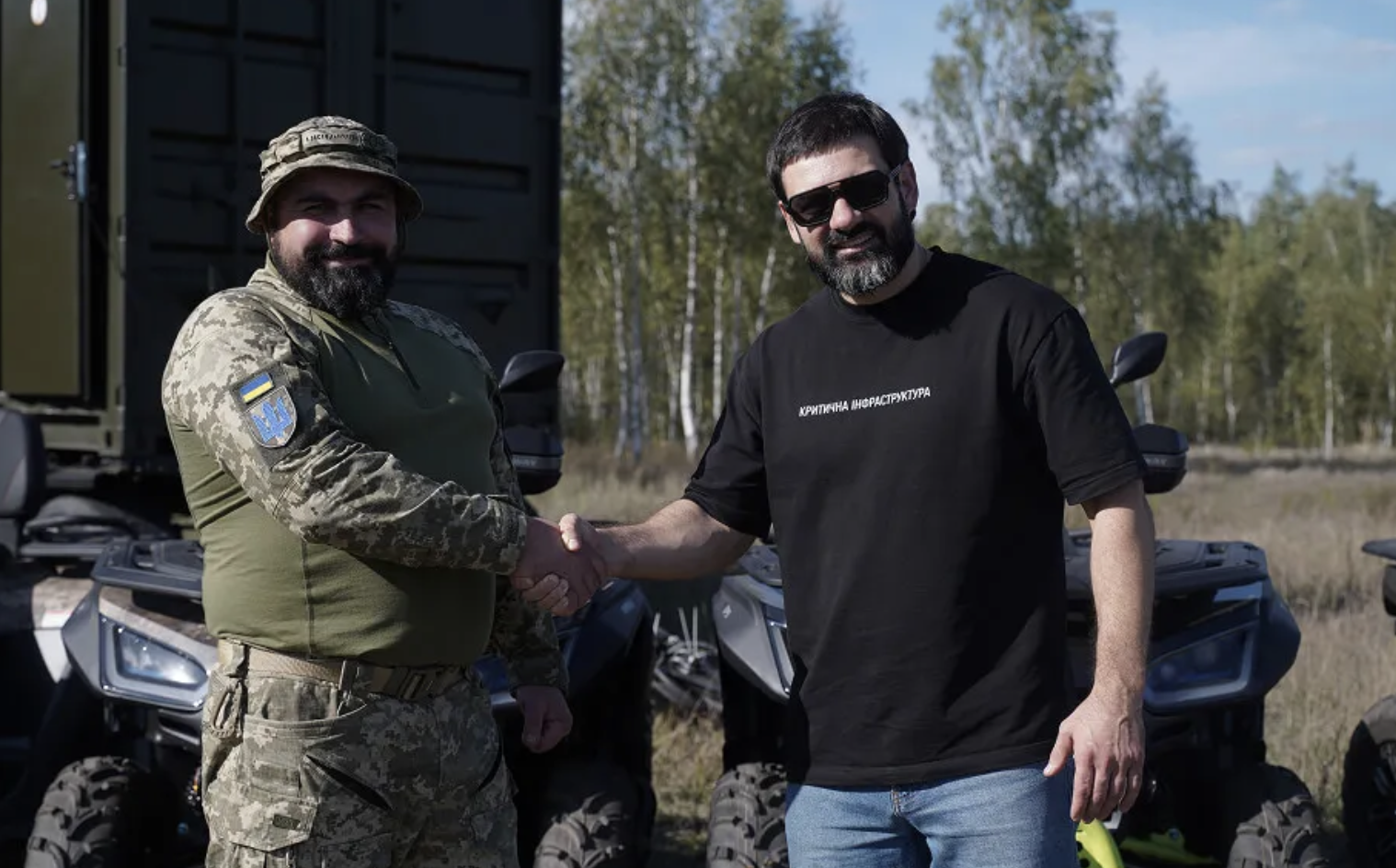
The 157th Separate Mechanized Brigade has received another batch of supplies as part of Rinat Akhmetov’s Steel Front military initiative. This time, the military received seven quad bikes and four mobile shower and bath units.
In my previous column, I wrote about social innovations in Ukraine. Those innovations are part of civic resilience and the democratization of security, which Europe is paying close attention to right now. The EU is trying to work out how to spread responsibility for its own security across society as a whole, rather than leaving it to institutions alone. It is looking for concrete ways to bring ordinary people into the work of defense and resistance.
Petro Poroshenko’s lawyers have appealed to the High Anti-Corruption Court demanding that NABU be obligated to register proceedings regarding the fact of exerting influence on the court and to recognize Petro Poroshenko as a victim in the case of the Deputy Head of the Office of the President, Iryna Mudra, due to her pressure on Supreme Court judges who were considering a lawsuit to overturn sanctions.
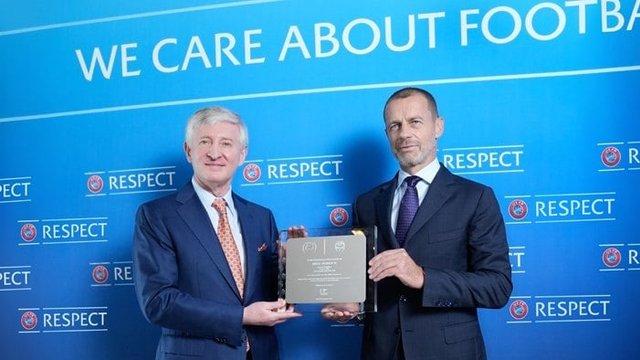
Internationally recognized brands and financial institutions should direct capital to Ukraine now, not waiting for the hostilities to end. This was emphasized by Rinat Akhmetov, president of FC Shakhtar, during a working visit to UEFA headquarters in Nyon, Switzerland, where he met with UEFA President Aleksander Čeferin.