
Parliament removes disgraced MP Yuriy Boyko from committee role
Source: Yaroslav Zheleznyak
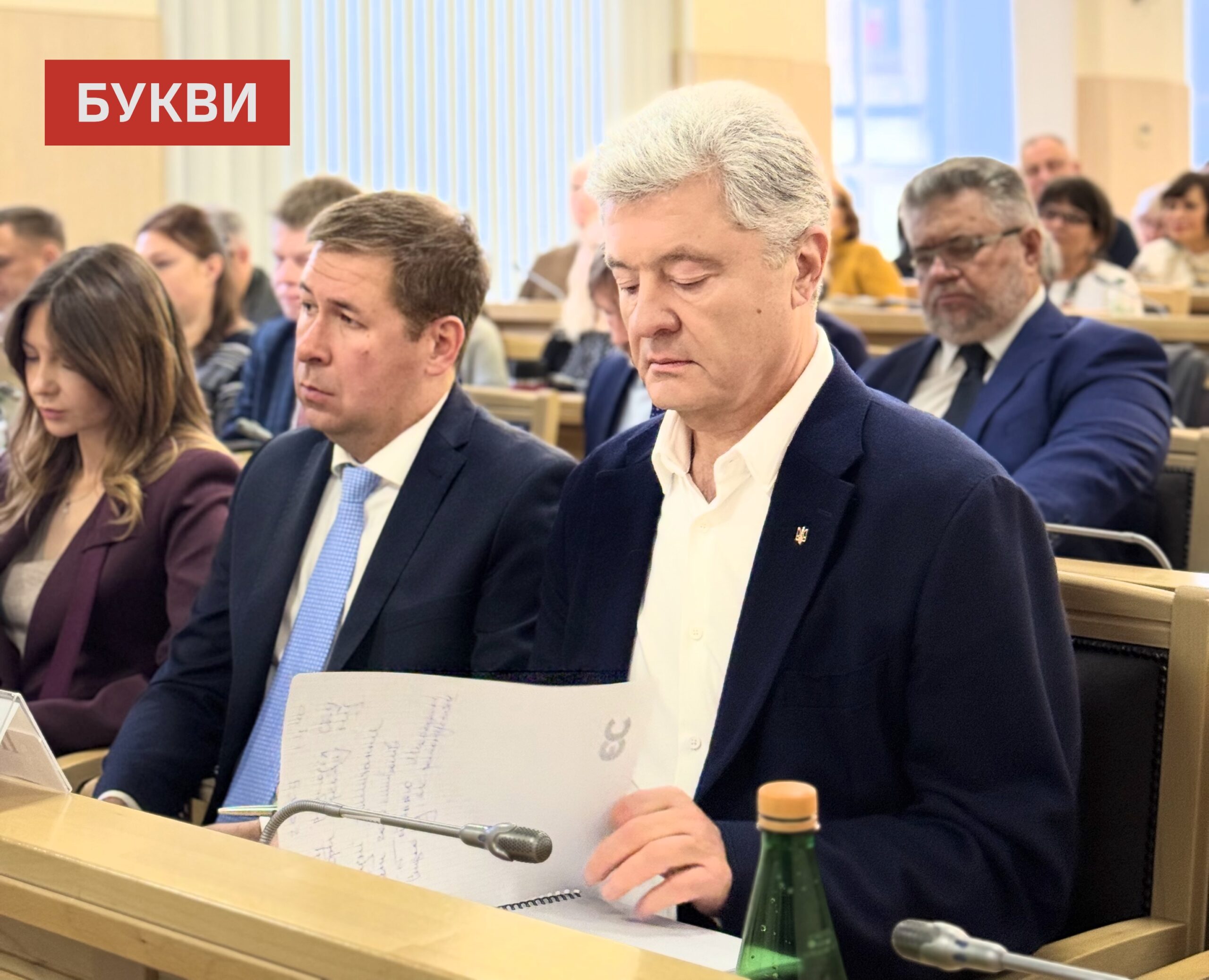
On December 19, Ukraine’s Verkhovna Rada voted to remove MP Yuriy Boyko from his position on the parliamentary committee for human rights, de-occupation, and reintegration of temporarily occupied territories after the lawmaker who is often called out over his past links to pro-Russian party and Victor Yanukovych.
While an initial vote on December 18 fell short of passing in the parliament, the second attempt garnered votes of 258 MPs, which was sufficient to have him removed despite some tepid reaction from the ruling party lawmakers one of whom even defended Boyko during the session, urging colleagues not to vote for his removal.
Boyko found himself in the center of a scandal earlier this week after a video on social media showed him railing against what he called “restrictions on people speaking Russian and attempt to tear down historical monuments”.
“Our radicals have followed the same path—tearing down monuments, renaming cities, banning people from speaking their native language, and preventing them from attending their chosen churches. This violence continues today,” said Boyko .
After his comments drew a public outrcy, he backtracked on his claims saying he was referring to Petro Poroshenko’s policies.
In response, the European Solidarity faction led by Poroshenko demanded Boyko and other MPs from the banned Opposition Platform—For Life (OPFL) party be stripped of their mandates.
Petro Poroshenko’s lawyers have appealed to the High Anti-Corruption Court demanding that NABU be obligated to register proceedings regarding the fact of exerting influence on the court and to recognize Petro Poroshenko as a victim in the case of the Deputy Head of the Office of the President, Iryna Mudra, due to her pressure on Supreme Court judges who were considering a lawsuit to overturn sanctions.
In recent days, Moscow’s official rhetoric has been dominated by hysteria over the decision of…
In 2025, the deadliest year yet for civilians, Ukraine’s three largest charitable foundations raised a record 105.9 billion hryvnias. It is more than the years 2022–2024 combined. According to the UN, humanitarian aid in Ukraine was delivered by more than 450 organisations, reaching five million people over the course of the year. Civic foundations hold licences to purchase lethal weapons, which is a function states have monopolised for centuries. These record sums were underwritten by international government grants, which means foreign states now channel billions directly through Ukrainian civic funds, bypassing inter-state channels. It is hard to imagine a stronger institutional trust in civil society.
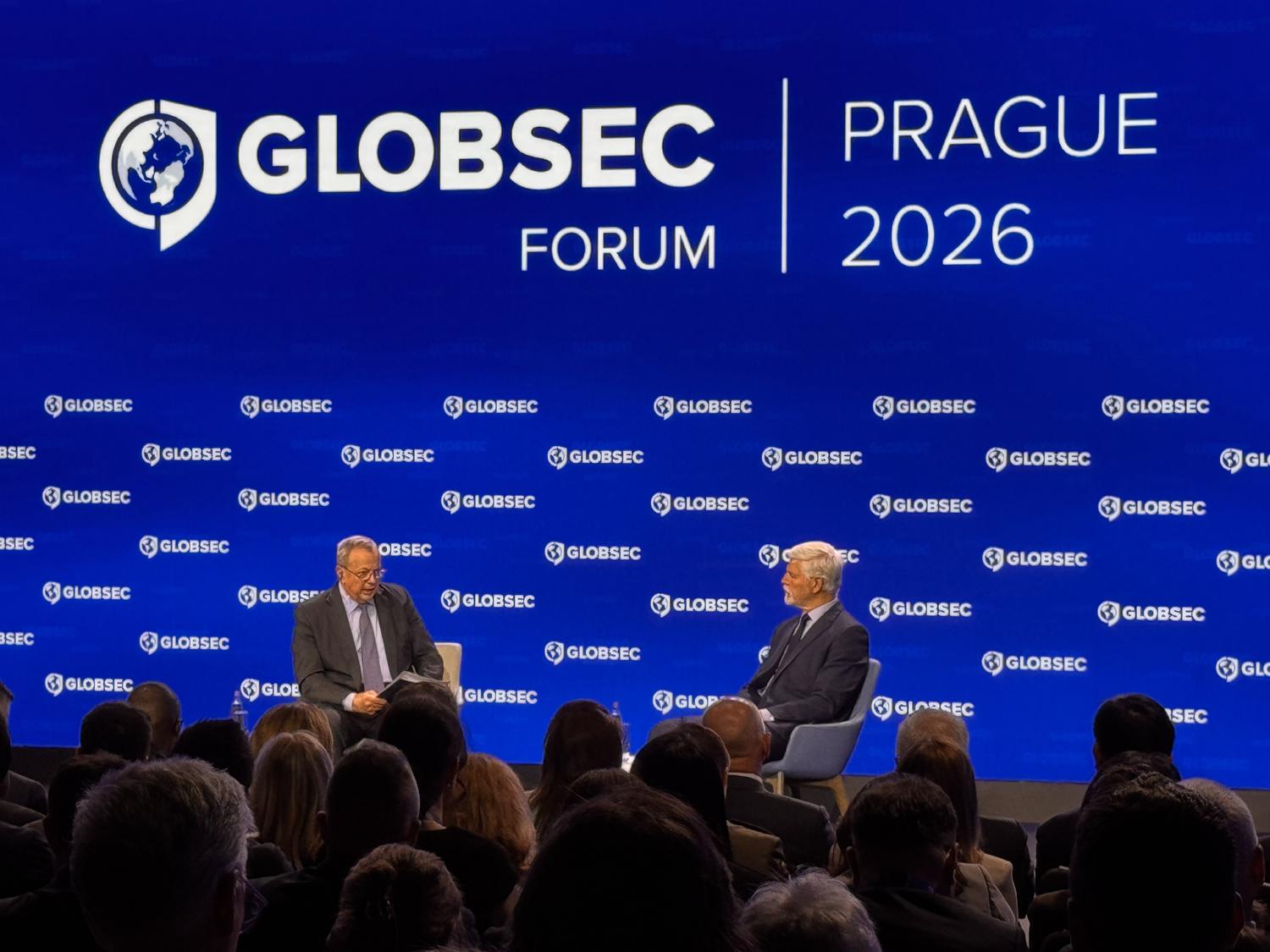
During the GLOBSEC Defence Forum 2026 in Prague, representatives of “Steel Front”, an initiative by Rinat Akhmetov, discussed with NATO delegations, military officials, and representatives of the European defense industry the lessons learned from Russia’s full-scale war against Ukraine.
After the start of the full-scale invasion in February 2022, Ukraine witnessed an unprecedented wave of private support for the army. Citizens, big businesses, charitable foundations, and international philanthropists began financing the country’s defense alongside state assistance provided by international partners. Estimates of total private contributions range from tens to hundreds of billions of hryvnias. However, determining the exact amount remains difficult. In many cases, companies combine military aid, humanitarian programs, tax payments, social spending, and employee support in their reporting.