

Ukrainian parliament to raise military tax to 5% retroactively
Source: Yaroslav Zheleznyak/Telegram
The Verkhovna Rada is expected to increase the military tax from 1.5% to 5% this month, making the policy effective retroactively – from October 1, according to MP Yaroslav Zhelezniak who co-chairs Parliamentary Tax Policy Committee.
The lawmaker revealed there was much wraggling over the date issue. The law is likely to be passed after October 15, but will apply retroactively from the start of the month.
Apart from the military tax hike, Danilo Hetmantsev, the committee’s chair, proposed other adjustments, including:
- Monthly reporting on personal income tax (PIT) starting from 2025.
- For income subject to annual declaration, the military tax will remain at 1.5% through 2024, but will rise to 5% in 2025.
- For single tax payers in the third group, the increased tax will take effect in the first quarter after the law’s adoption.
- Real estate transactions will be taxed once the law is enacted.
- October salaries will need to be recalculated using the new tax rate, although any advance payments made before the law takes effect will not require adjustment.
- The military tax will not apply to individual entrepreneurs (FOPs) exempt from paying the single tax, particularly those operating in frontline and de-occupied areas.
According to Zheleznyak, the parliament also plans to collect higher gravel mining royalties but will keep the PIT exemption for foreign aid provided to refugees.
He explained that people will continue to have 1.5% deducted from their mid-October advance pay, as the law will not yet be in effect. Once it is enforced, military tax on October wages will rise to 5%, impacting both salaries and advances meaning that employers will need to deduct the difference when paying the main portion of the salary.
In recent days, Moscow’s official rhetoric has been dominated by hysteria over the decision of…
In 2025, the deadliest year yet for civilians, Ukraine’s three largest charitable foundations raised a record 105.9 billion hryvnias. It is more than the years 2022–2024 combined. According to the UN, humanitarian aid in Ukraine was delivered by more than 450 organisations, reaching five million people over the course of the year. Civic foundations hold licences to purchase lethal weapons, which is a function states have monopolised for centuries. These record sums were underwritten by international government grants, which means foreign states now channel billions directly through Ukrainian civic funds, bypassing inter-state channels. It is hard to imagine a stronger institutional trust in civil society.
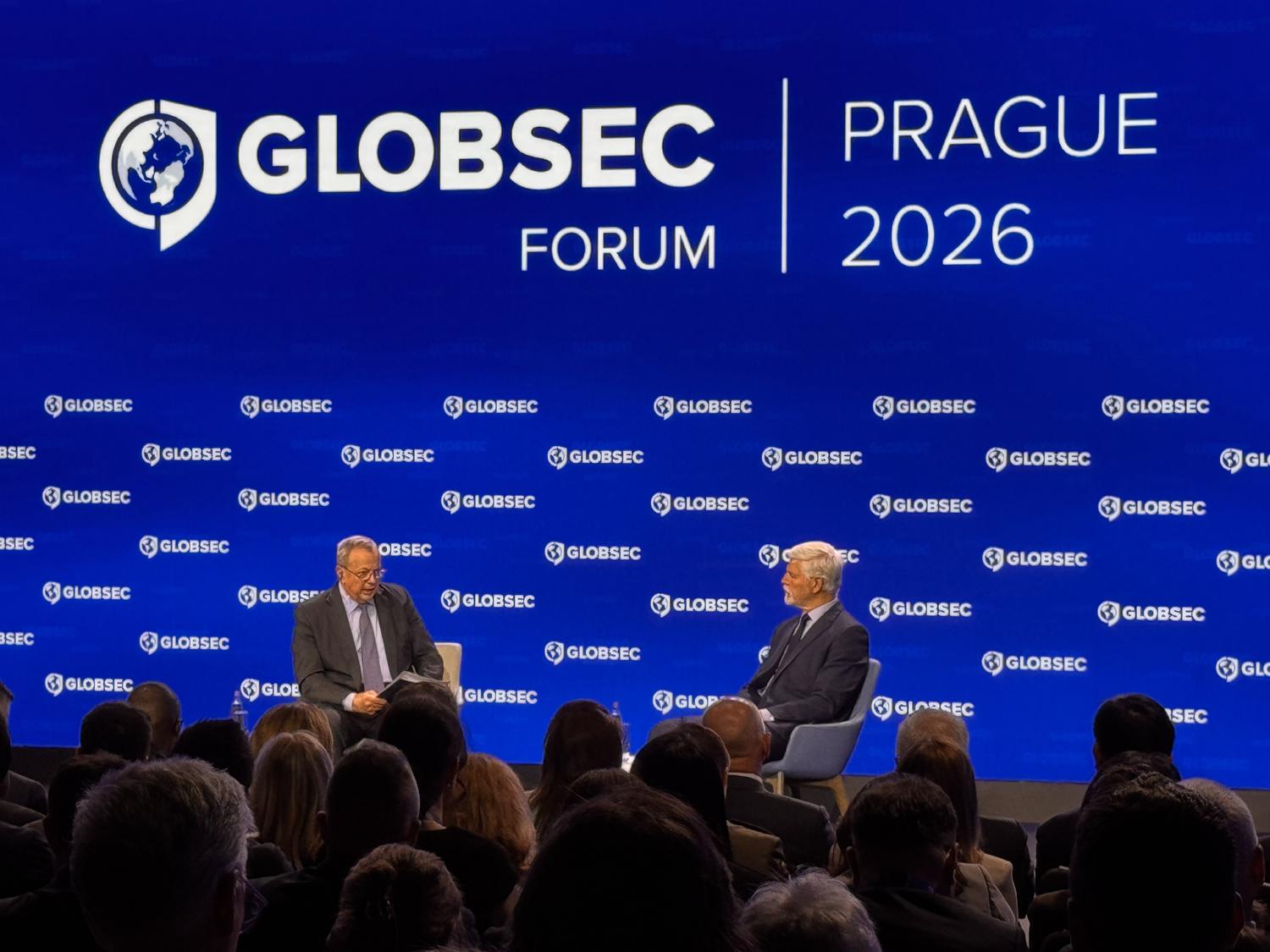
During the GLOBSEC Defence Forum 2026 in Prague, representatives of “Steel Front”, an initiative by Rinat Akhmetov, discussed with NATO delegations, military officials, and representatives of the European defense industry the lessons learned from Russia’s full-scale war against Ukraine.
After the start of the full-scale invasion in February 2022, Ukraine witnessed an unprecedented wave of private support for the army. Citizens, big businesses, charitable foundations, and international philanthropists began financing the country’s defense alongside state assistance provided by international partners. Estimates of total private contributions range from tens to hundreds of billions of hryvnias. However, determining the exact amount remains difficult. In many cases, companies combine military aid, humanitarian programs, tax payments, social spending, and employee support in their reporting.
Rinat Akhmetov’s military initiative, “Steel Front”, has delivered a batch of drones worth UAH 214 million to the 1st “Azov” Corps of the National Guard of Ukraine. This shipment is part of the Metinvest Group’s ongoing support for the unit in 2025.