

Majority of Ukrainian do not condemn those who evade mobilization, – opinion poll
Source: Interfax-Ukraine
The survey, conducted by the Institute of Social and Political Psychology of the National Academy of Sciences of Ukraine together with the Association of Political Psychologists of Ukraine, showed that 53.9% of respondents agree with the statement ‘those who avoid mobilization can be understood – no one wants to die’.
Meanwhile, only 17.2% disagreed with this statement and 29% refrained from answering.
‘The conflicting attitude to mobilization, which can be manifested both at the level of public consciousness and in the consciousness of individual citizens, is a significant challenge for the military and political leadership of the country and will require the use of psychologically based measures to effectively ensure mobilization,’ the experts explained.
According to the survey, the residents of the southern regions are the most loyal to avoiding mobilization, because among them more than 70% believe that those who want to evade mobilization can be understood.
Only almost 43% of respondents feel ashamed of men who are hiding from mobilization (among southerners, almost 50%).
In my previous column, I wrote about social innovations in Ukraine. Those innovations are part of civic resilience and the democratization of security, which Europe is paying close attention to right now. The EU is trying to work out how to spread responsibility for its own security across society as a whole, rather than leaving it to institutions alone. It is looking for concrete ways to bring ordinary people into the work of defense and resistance.
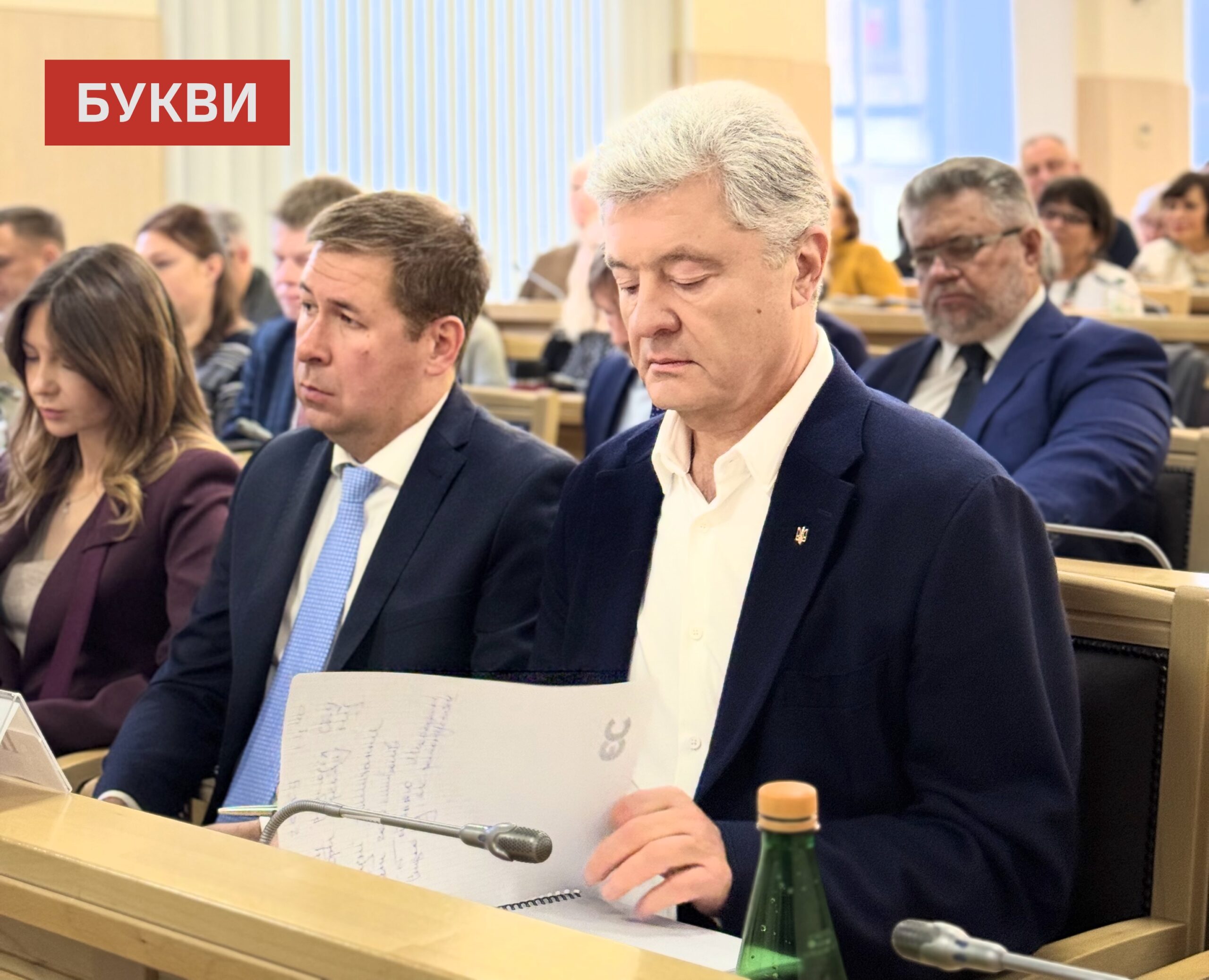
Petro Poroshenko’s lawyers have appealed to the High Anti-Corruption Court demanding that NABU be obligated to register proceedings regarding the fact of exerting influence on the court and to recognize Petro Poroshenko as a victim in the case of the Deputy Head of the Office of the President, Iryna Mudra, due to her pressure on Supreme Court judges who were considering a lawsuit to overturn sanctions.
In recent days, Moscow’s official rhetoric has been dominated by hysteria over the decision of…
In 2025, the deadliest year yet for civilians, Ukraine’s three largest charitable foundations raised a record 105.9 billion hryvnias. It is more than the years 2022–2024 combined. According to the UN, humanitarian aid in Ukraine was delivered by more than 450 organisations, reaching five million people over the course of the year. Civic foundations hold licences to purchase lethal weapons, which is a function states have monopolised for centuries. These record sums were underwritten by international government grants, which means foreign states now channel billions directly through Ukrainian civic funds, bypassing inter-state channels. It is hard to imagine a stronger institutional trust in civil society.
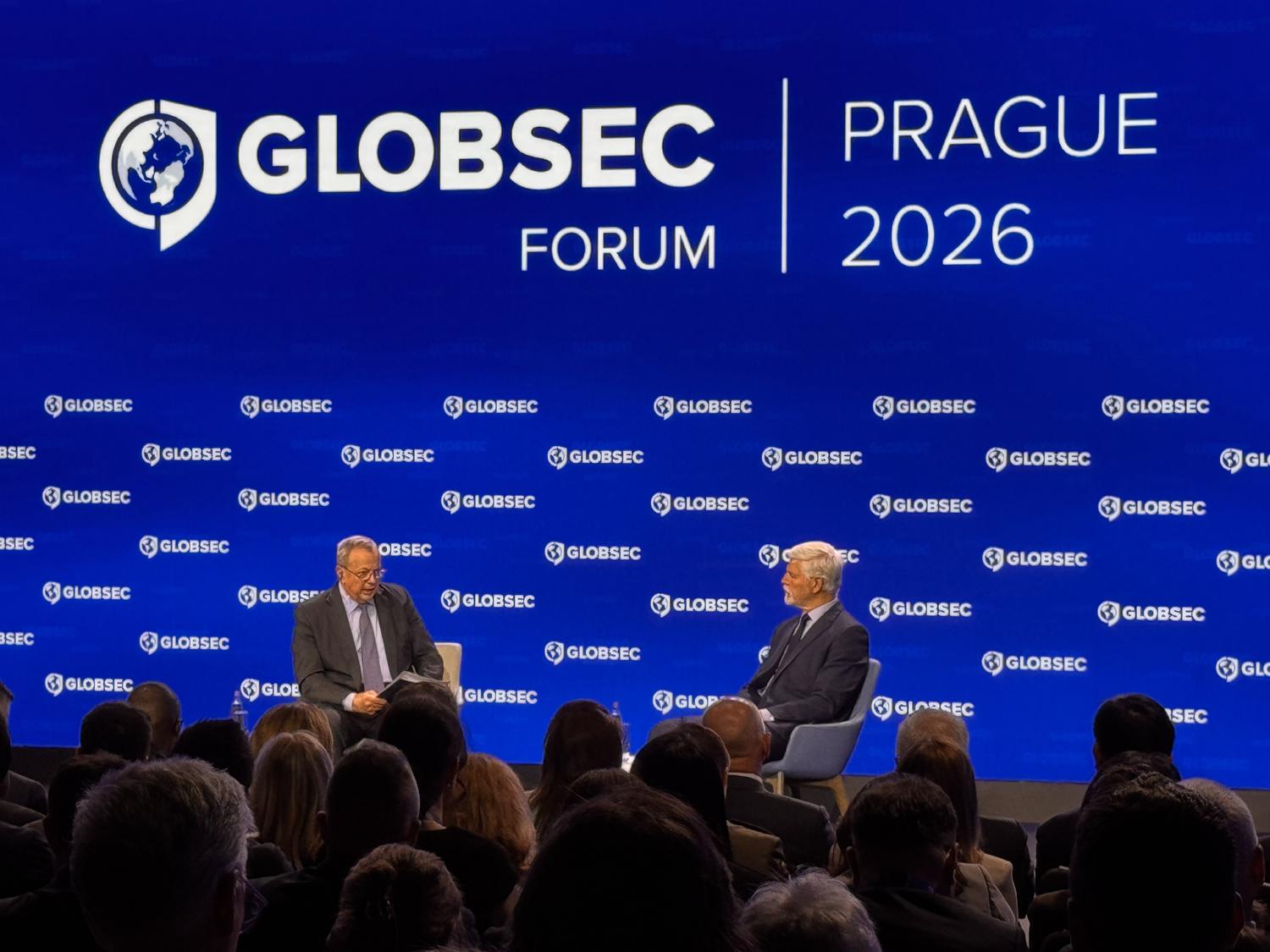
During the GLOBSEC Defence Forum 2026 in Prague, representatives of “Steel Front”, an initiative by Rinat Akhmetov, discussed with NATO delegations, military officials, and representatives of the European defense industry the lessons learned from Russia’s full-scale war against Ukraine.