



Ukrainian FPV drone downs Russian Mi-8 helicopter near Donetsk – reports
Source: Forbes
Military experts saw it coming. On July 31, a Ukrainian FPV drone, weighing one kilogram, successfully shot down a Russian Mi-8 helicopter over Donetsk. This event marks a potential first in aerial combat for Ukraine.
Russian military bloggers were quick to spread the sad news on social media, with some sharing footage of the burning Mi-8 near Donetsk.
Ukrainian troops have been honing their skills in drone attacks for some time. In September of last year, drone operators attempted to strike Russian helicopters in mid-air. The threat from these drones has grown so significant that Russian Air Forces began deploying helicopters to escort others for protection.
The Mi-8, with a three-member crew, was caught at a low altitude during takeoff, as described by a Russian military reporter.
Typically, an FPV drone carries a small amount of explosives. To bring down a helicopter, it must hit the rotor blades; a direct hit there can cause significant damage without requiring a large payload.
After over two years of conflict, Ukrainian drone operators have gained substantial experience in targeting enemy assets. Hitting the Mi-8’s rotor blades, which span over 365 centimeters, is now within their capabilities.
The most impressive aspect of this strike is the drone’s range. The western outskirts of Donetsk are about 5 kilometers from the front line, while the eastern outskirts are roughly 16 kilometers away. Achieving such a range likely required the assistance of a secondary drone to relay the command signal, indicating a highly coordinated operation.
Russia’s helicopter fleet numbers in the hundreds, and while they’ve lost around 100 in the conflict, this particular loss doesn’t look critical. However, if the Ukrainian troops have mastered downing helicopters using drones, it could obviously bolster up their air defense capabilities.
Given that Ukraine produces around 100,000 FPV drones monthly, the threat to Russian helicopters is now looming big.
In my previous column, I wrote about social innovations in Ukraine. Those innovations are part of civic resilience and the democratization of security, which Europe is paying close attention to right now. The EU is trying to work out how to spread responsibility for its own security across society as a whole, rather than leaving it to institutions alone. It is looking for concrete ways to bring ordinary people into the work of defense and resistance.
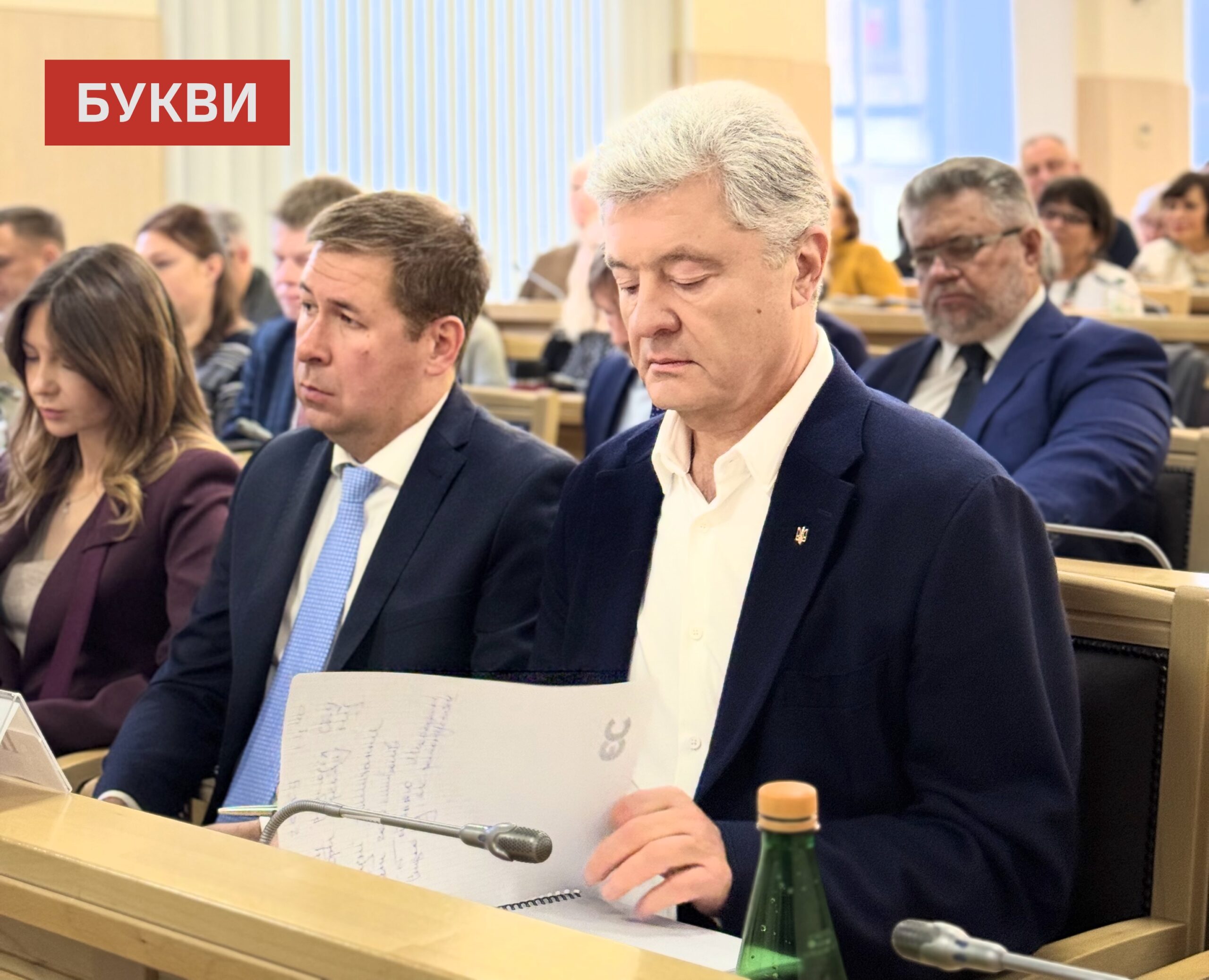
Petro Poroshenko’s lawyers have appealed to the High Anti-Corruption Court demanding that NABU be obligated to register proceedings regarding the fact of exerting influence on the court and to recognize Petro Poroshenko as a victim in the case of the Deputy Head of the Office of the President, Iryna Mudra, due to her pressure on Supreme Court judges who were considering a lawsuit to overturn sanctions.
Internationally recognized brands and financial institutions should direct capital to Ukraine now, not waiting for the hostilities to end. This was emphasized by Rinat Akhmetov, president of FC Shakhtar, during a working visit to UEFA headquarters in Nyon, Switzerland, where he met with UEFA President Aleksander Čeferin.
In recent days, Moscow’s official rhetoric has been dominated by hysteria over the decision of…
In 2025, the deadliest year yet for civilians, Ukraine’s three largest charitable foundations raised a record 105.9 billion hryvnias. It is more than the years 2022–2024 combined. According to the UN, humanitarian aid in Ukraine was delivered by more than 450 organisations, reaching five million people over the course of the year. Civic foundations hold licences to purchase lethal weapons, which is a function states have monopolised for centuries. These record sums were underwritten by international government grants, which means foreign states now channel billions directly through Ukrainian civic funds, bypassing inter-state channels. It is hard to imagine a stronger institutional trust in civil society.