


Russia tightens grip on occupied Kherson with new restrictions
Source: Ukraine’s “South” Command
Russian occupational forces are set to roll out new restrictions in the temporarily occupied Kherson region starting September 1st, according to Ukraine’s “South” Operational Command.
The new policy will include a pass system in the Novokaakhovka district that will cover the city and a 15-kilometer radius around it. Applications for these permits are already being processed at Russian occupation offices in the area.
Notablly, the locals who earlier filed for Russian citizenship and residency documents won’t need this permit. The South Operational Command says it is a clear sign Moscow will crack down on the region with new “filtration measures”.
Kherson, though, isn’t the only area seeing intimidation and threats. The Center for National Resistance has reported that the Luhansk occupational administration was planning to intoduce a new policy restricting internet access to locals.
In my previous column, I wrote about social innovations in Ukraine. Those innovations are part of civic resilience and the democratization of security, which Europe is paying close attention to right now. The EU is trying to work out how to spread responsibility for its own security across society as a whole, rather than leaving it to institutions alone. It is looking for concrete ways to bring ordinary people into the work of defense and resistance.
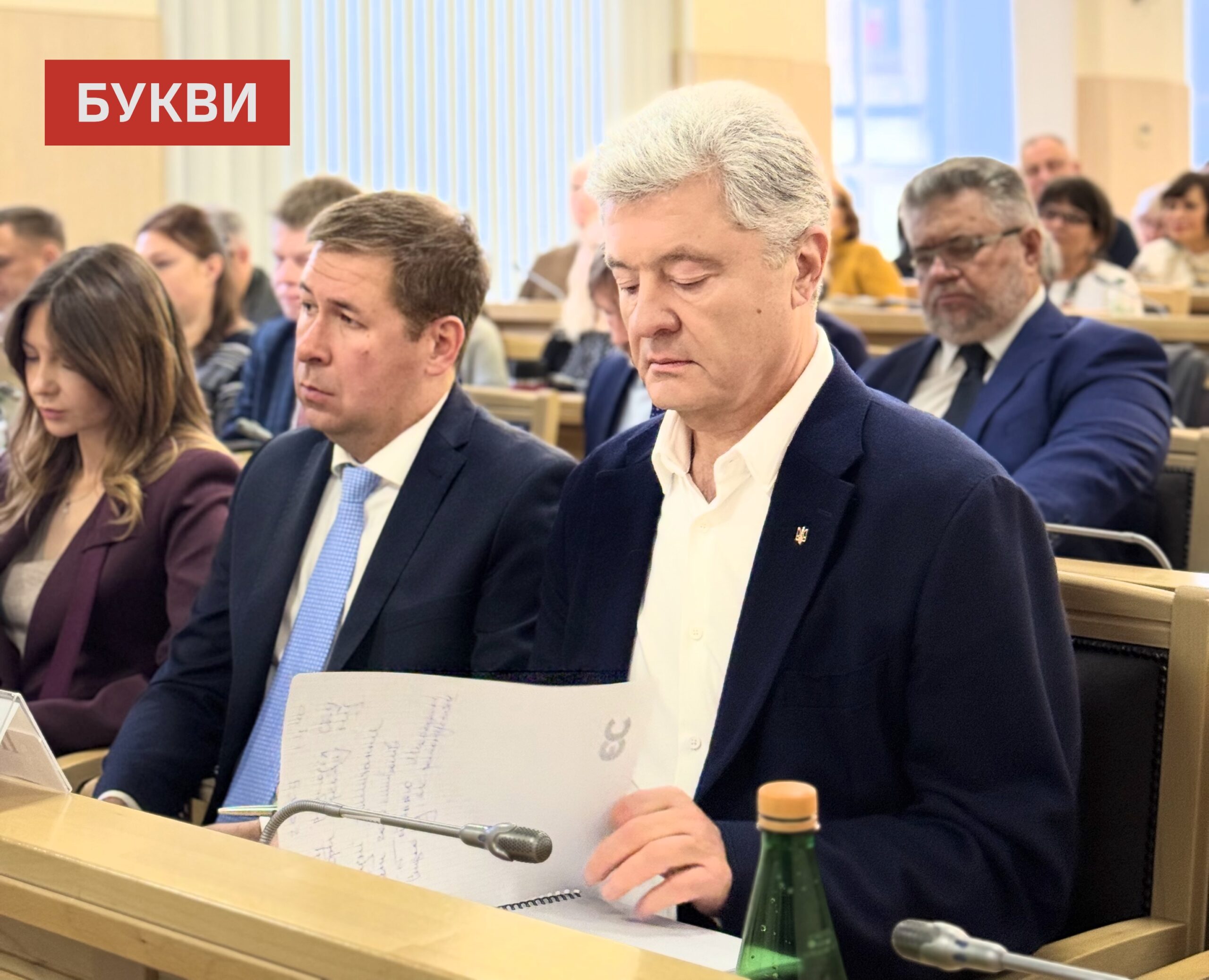
Petro Poroshenko’s lawyers have appealed to the High Anti-Corruption Court demanding that NABU be obligated to register proceedings regarding the fact of exerting influence on the court and to recognize Petro Poroshenko as a victim in the case of the Deputy Head of the Office of the President, Iryna Mudra, due to her pressure on Supreme Court judges who were considering a lawsuit to overturn sanctions.
Internationally recognized brands and financial institutions should direct capital to Ukraine now, not waiting for the hostilities to end. This was emphasized by Rinat Akhmetov, president of FC Shakhtar, during a working visit to UEFA headquarters in Nyon, Switzerland, where he met with UEFA President Aleksander Čeferin.
In recent days, Moscow’s official rhetoric has been dominated by hysteria over the decision of…
In 2025, the deadliest year yet for civilians, Ukraine’s three largest charitable foundations raised a record 105.9 billion hryvnias. It is more than the years 2022–2024 combined. According to the UN, humanitarian aid in Ukraine was delivered by more than 450 organisations, reaching five million people over the course of the year. Civic foundations hold licences to purchase lethal weapons, which is a function states have monopolised for centuries. These record sums were underwritten by international government grants, which means foreign states now channel billions directly through Ukrainian civic funds, bypassing inter-state channels. It is hard to imagine a stronger institutional trust in civil society.