


Ukraine’s parliament fails to pass a bill ‘de-Russifying’ town names
Source: Oleksiy Honcharenko/Telegram
On Wednesday, the Verkhovna Rada of Ukraine failed to pass a crucial vote on the de-Russification of over 300 localities, drawing a heated response from some MPs who blocked the parliamentary tribune in protest to the vote results.
The draft policy 11188 proposed to rename seven districts, 15 cities, 56 towns, and 263 villages in line with the law “On the Condemnation and Prohibition of Russian Imperial Policy Propaganda in Ukraine and the Decolonization of Toponyms.” The proposed changes would see the town of Yuzhne in Odesa Oblast becoming Port-Annenthal, Novomoskovsk in Dnipropetrovsk Oblast going back to its old name,Samar, while Pervomaisk in Luhansk Oblast would be again Sokolohirsk.
The vote though fell short as only 208 MPs supported the policy while 75 abstained, three voted against, and five didn’t show up to vote. The results ired some lawmakers who swiftly blocked the tribune, demanding another vote on the issue.
“Look at the tribune; MPs from all factions are gathered here, except for Opposition Platform for Life. Even some level-headed members of [the ruling party] are here,” said Iryna Herashchenko, co-chair of the European Solidarity faction. “We have decided that parliament will not continue its work until the resolution on renaming 330 localities—currently named after the executioners of the Ukrainian people—is passed.”
MP Sofiya Fedyna blamed the Servant of the Peopls MPs for the vote failure while her fellow lawmaker Oleksiy Honcharenko claimed, “The main issue is that we block the tribune over renaming cities and districts—and that’s fair—but we don’t block the tribune over the mobilization of people under 25. That’s where the system is unjust.”
He also pointed out the unintended irony in some proposed town names, arguing, “We’re removing Russian names, but we’re getting German ones instead,” in reference to renaming Yuzhne to Port-Annenthal.
Amendments to Ukraine’s enforcement proceedings legislation, initiated by the Ministry of Justice of Ukraine, have entered into force. Among other measures, the reform provides for the automated lifting of attachments on bank accounts immediately after debts in enforcement proceedings have been fully settled. The main practical benefit for citizens is the complete elimination of the need to contact an enforcement officer in person and wait for paper decisions once the debt has been paid.
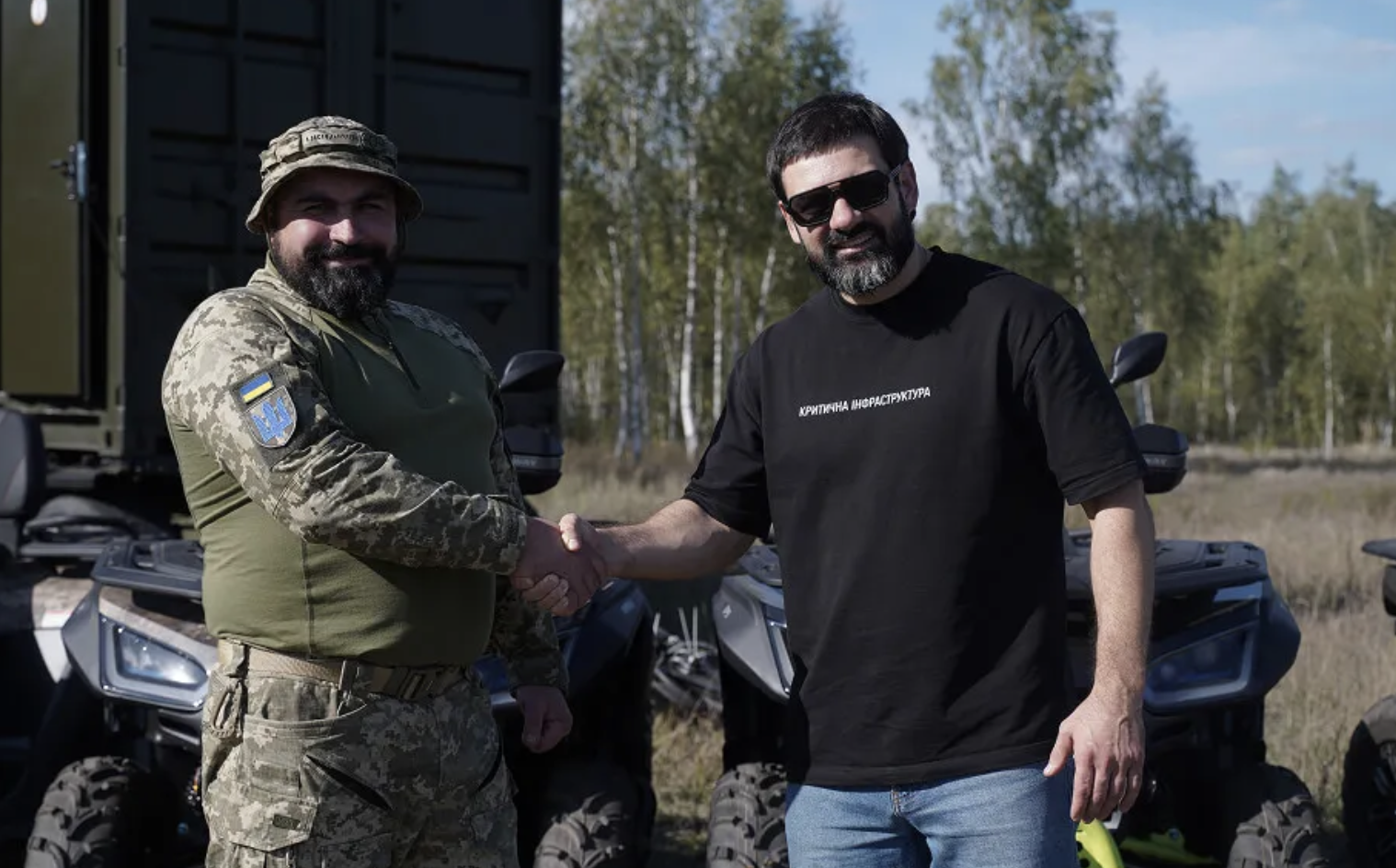
The 157th Separate Mechanized Brigade has received another batch of supplies as part of Rinat Akhmetov’s Steel Front military initiative. This time, the military received seven quad bikes and four mobile shower and bath units.
In my previous column, I wrote about social innovations in Ukraine. Those innovations are part of civic resilience and the democratization of security, which Europe is paying close attention to right now. The EU is trying to work out how to spread responsibility for its own security across society as a whole, rather than leaving it to institutions alone. It is looking for concrete ways to bring ordinary people into the work of defense and resistance.
Petro Poroshenko’s lawyers have appealed to the High Anti-Corruption Court demanding that NABU be obligated to register proceedings regarding the fact of exerting influence on the court and to recognize Petro Poroshenko as a victim in the case of the Deputy Head of the Office of the President, Iryna Mudra, due to her pressure on Supreme Court judges who were considering a lawsuit to overturn sanctions.
Internationally recognized brands and financial institutions should direct capital to Ukraine now, not waiting for the hostilities to end. This was emphasized by Rinat Akhmetov, president of FC Shakhtar, during a working visit to UEFA headquarters in Nyon, Switzerland, where he met with UEFA President Aleksander Čeferin.