

Russia puts 2 nationals of Ukraine and Georgia on wanted list over Kerch Bridge explosion
Source: Ekho Kavkazu
On Monday, Russian authorities have issued international arrest warrants for two men—Georgian citizen Alexander Inasaridze and Ukrainian citizen Serhiy Andriichenko—claiming they were part of the plot that saw the Kerch Bridge blown up in October 2022 .
According to Russia’s Investigative Committee, the two are being pursued on the charges, including “terrorism that led to deaths, illegal acquisition of explosives, and smuggling explosives as part of an organized group”. These accusations stem from the catastrophic blast that rocked the Kerch Bridge on October 8, 2022, causing severe damage and casualties.
The story took a sharp turn just days after the blast, when the Russian Federal Security Service (FSB) arrested five Russian nationals and three citizens of Ukraine and Armenia, pointing the finger at Ukrainian military intelligence as the mastermind behind the attack. Inasaridze was among the suspects initially named by the FSB.
Georgian media outlets, like PIRVELI TV, revealed that the truck that carried the explosives was registered into Inasaridze’s mother name, although the woman later called the accusations “absurd.” The plot allegedly secured ‘services’ from a broker by the name of “Levan”, was also implicated in the FSB’s findings.
While Moscow is adamant about its claims, Georgian officials have repeatedly stressed that their country had nothing to do with the Kerch Bridge explosion.
In recent days, Moscow’s official rhetoric has been dominated by hysteria over the decision of…
In 2025, the deadliest year yet for civilians, Ukraine’s three largest charitable foundations raised a record 105.9 billion hryvnias. It is more than the years 2022–2024 combined. According to the UN, humanitarian aid in Ukraine was delivered by more than 450 organisations, reaching five million people over the course of the year. Civic foundations hold licences to purchase lethal weapons, which is a function states have monopolised for centuries. These record sums were underwritten by international government grants, which means foreign states now channel billions directly through Ukrainian civic funds, bypassing inter-state channels. It is hard to imagine a stronger institutional trust in civil society.
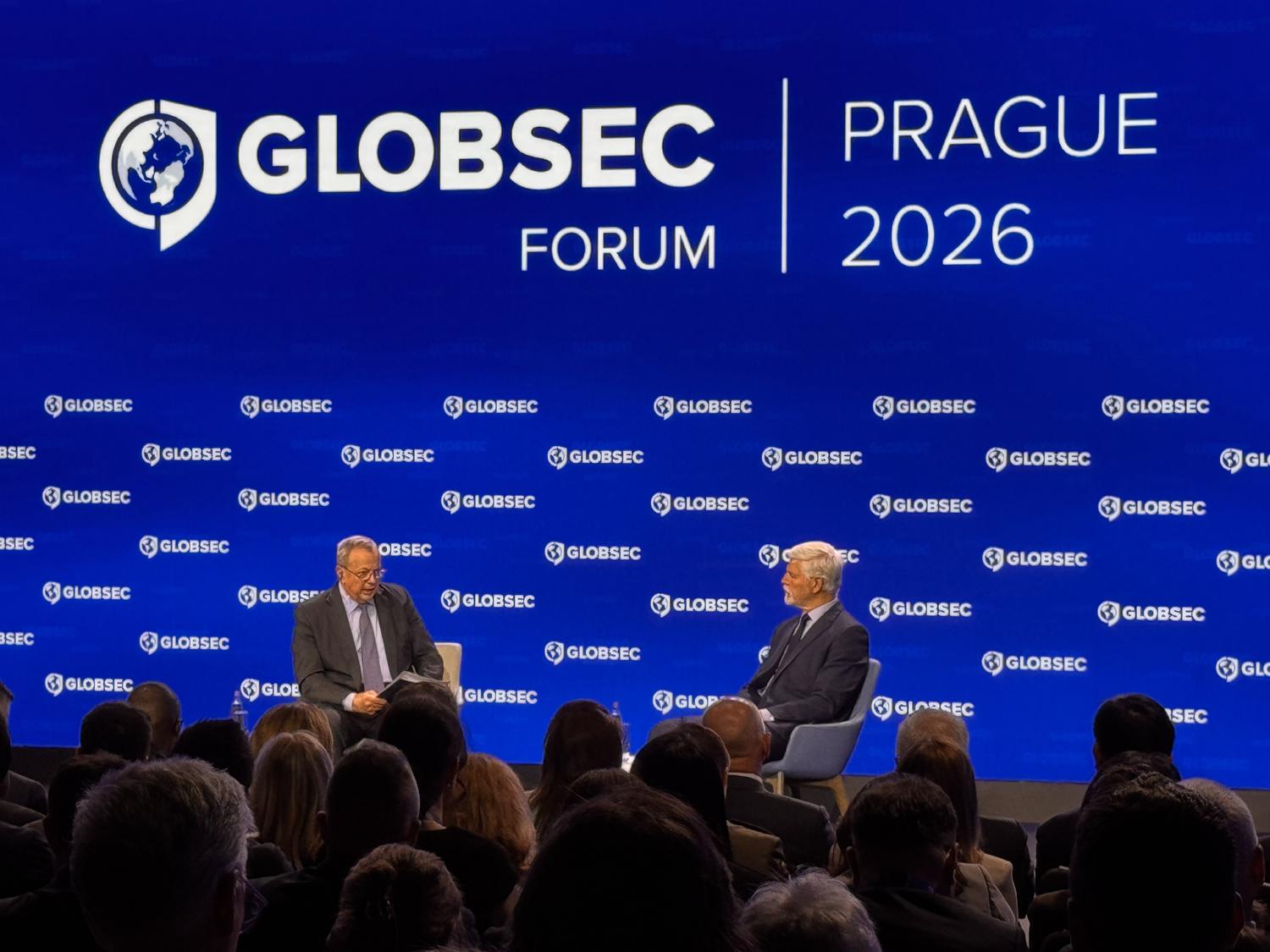
During the GLOBSEC Defence Forum 2026 in Prague, representatives of “Steel Front”, an initiative by Rinat Akhmetov, discussed with NATO delegations, military officials, and representatives of the European defense industry the lessons learned from Russia’s full-scale war against Ukraine.
After the start of the full-scale invasion in February 2022, Ukraine witnessed an unprecedented wave of private support for the army. Citizens, big businesses, charitable foundations, and international philanthropists began financing the country’s defense alongside state assistance provided by international partners. Estimates of total private contributions range from tens to hundreds of billions of hryvnias. However, determining the exact amount remains difficult. In many cases, companies combine military aid, humanitarian programs, tax payments, social spending, and employee support in their reporting.
Rinat Akhmetov’s military initiative, “Steel Front”, has delivered a batch of drones worth UAH 214 million to the 1st “Azov” Corps of the National Guard of Ukraine. This shipment is part of the Metinvest Group’s ongoing support for the unit in 2025.