


166 clashes reported in the last 24 hours – Ukraine’s General Staff
Source: Ukraine’s General Staff
On October 22, Ukraine’s General Staff reported 166 combat engagements across the frontlines. The fiercest battles took place in the Pokrovsk and Kurakhove sectors.
The enemy launched one missile strike and 104 airstrikes, dropping 165 guided bombs on Ukrainian positions and civilian areas. There were over 4,500 artillery attacks recorded, including 149 rocket artillery strikes.
Ukrainian forces responded with air, missile, and artillery strikes, hitting four enemy troop concentrations, destroying three UAV control centers, five artillery systems, and two air defense units.
Key Battle Areas:
- Kharkiv Sector: Five engagements were reported near Vovchansk and Starytsia.
- Kupiansk Sector: 13 attacks were launched, with Ukrainian forces repelling enemy assaults near Holubivka, Pishchane, Petropavlivka, Kolisnykivka, and Lozova.
- Lyman Sector: The enemy attacked 14 times near Hrekivka, Novomykhailivka, Terny, and Torske.
- Kramatorsk Sector: Ukrainian forces stopped enemy advances near Bondarne.
- Pokrovsk Sector: Russian troops tried to displace Ukrainian units near Myroliubivka, Promin, Lysivka, and Selydove, with 56 assaults repelled, focusing near Selydove.
- Kurakhove Sector: Ukrainian defenders held off 47 attacks near Hirnyk, Novodmytrivka, Hostre, Katerynivka, and Antonivka, where the enemy attempted to breach Ukrainian defenses.
- Vremivka Sector: The aggressor launched 10 assaults on Ukrainian positions near Bohoyavlenka and Velyka Novosilka.
- Orikhiv Sector: One engagement was reported near Robotyne as Russian forces continued efforts to push Ukrainian troops from their positions.
- Dnipro Delta: Four attacks were repelled in the island zone of the Dnipro delta, with no breakthroughs by Russian forces.
Other Sectors:
- Siversk, Toretsk, and Huliaipole Directions: No significant changes in the situation.
- Volyn and Polissia Areas: No signs of Russian offensive grouping formation.
- Northern Borders (Chernihiv and Sumy Regions): The enemy maintains a military presence, continues shelling, and is increasing minefield density along the Ukrainian border.
The situation remains volatile, with Ukrainian forces holding strong in key sectors across the frontlines.
In my previous column, I wrote about social innovations in Ukraine. Those innovations are part of civic resilience and the democratization of security, which Europe is paying close attention to right now. The EU is trying to work out how to spread responsibility for its own security across society as a whole, rather than leaving it to institutions alone. It is looking for concrete ways to bring ordinary people into the work of defense and resistance.
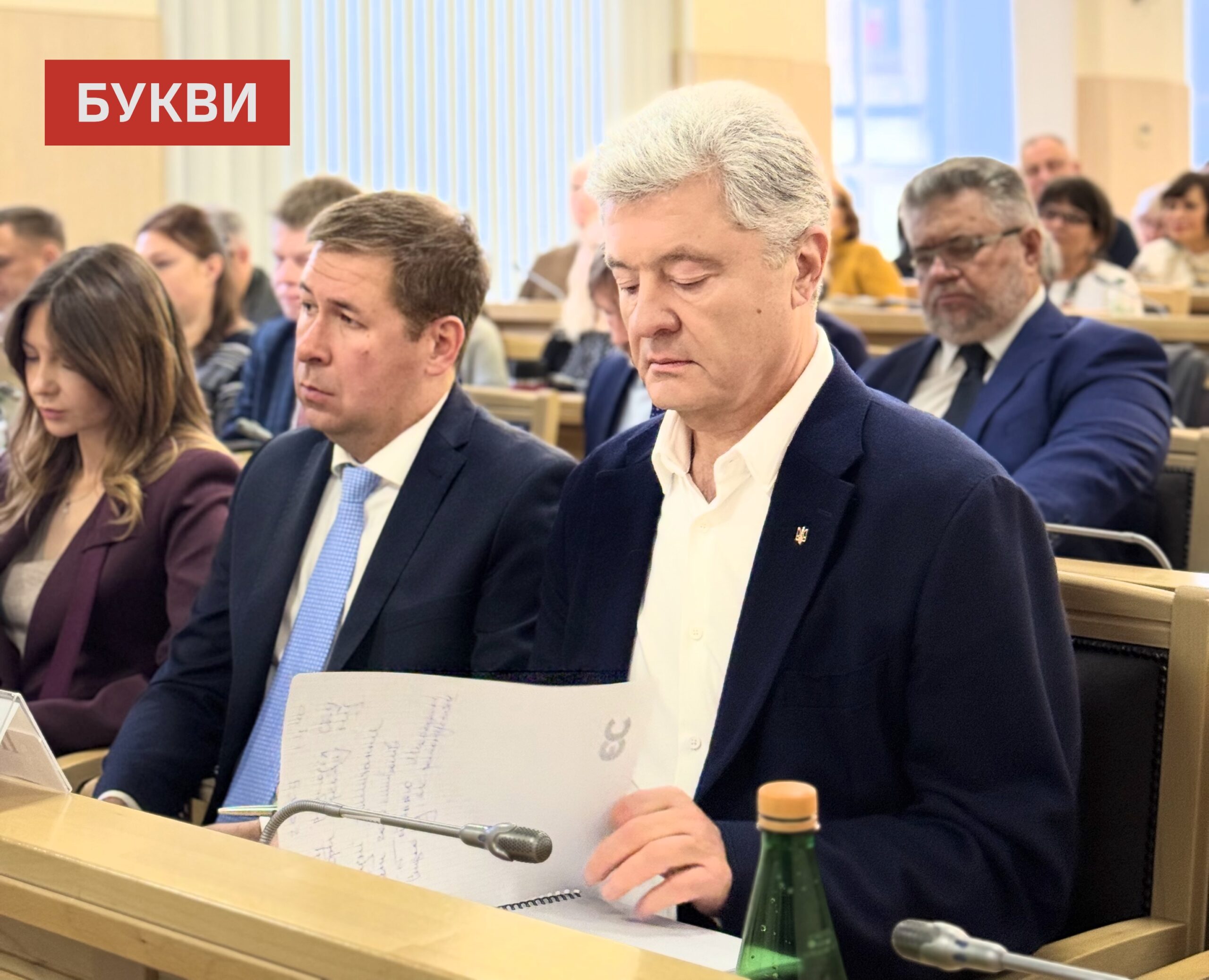
Petro Poroshenko’s lawyers have appealed to the High Anti-Corruption Court demanding that NABU be obligated to register proceedings regarding the fact of exerting influence on the court and to recognize Petro Poroshenko as a victim in the case of the Deputy Head of the Office of the President, Iryna Mudra, due to her pressure on Supreme Court judges who were considering a lawsuit to overturn sanctions.
Internationally recognized brands and financial institutions should direct capital to Ukraine now, not waiting for the hostilities to end. This was emphasized by Rinat Akhmetov, president of FC Shakhtar, during a working visit to UEFA headquarters in Nyon, Switzerland, where he met with UEFA President Aleksander Čeferin.
In recent days, Moscow’s official rhetoric has been dominated by hysteria over the decision of…
In 2025, the deadliest year yet for civilians, Ukraine’s three largest charitable foundations raised a record 105.9 billion hryvnias. It is more than the years 2022–2024 combined. According to the UN, humanitarian aid in Ukraine was delivered by more than 450 organisations, reaching five million people over the course of the year. Civic foundations hold licences to purchase lethal weapons, which is a function states have monopolised for centuries. These record sums were underwritten by international government grants, which means foreign states now channel billions directly through Ukrainian civic funds, bypassing inter-state channels. It is hard to imagine a stronger institutional trust in civil society.