

6 injured after Russian ballistic missile hits Kryvyi Rih
 Source: Head of Kryvyi Rih Military Administration, Oleksandr Vilkul
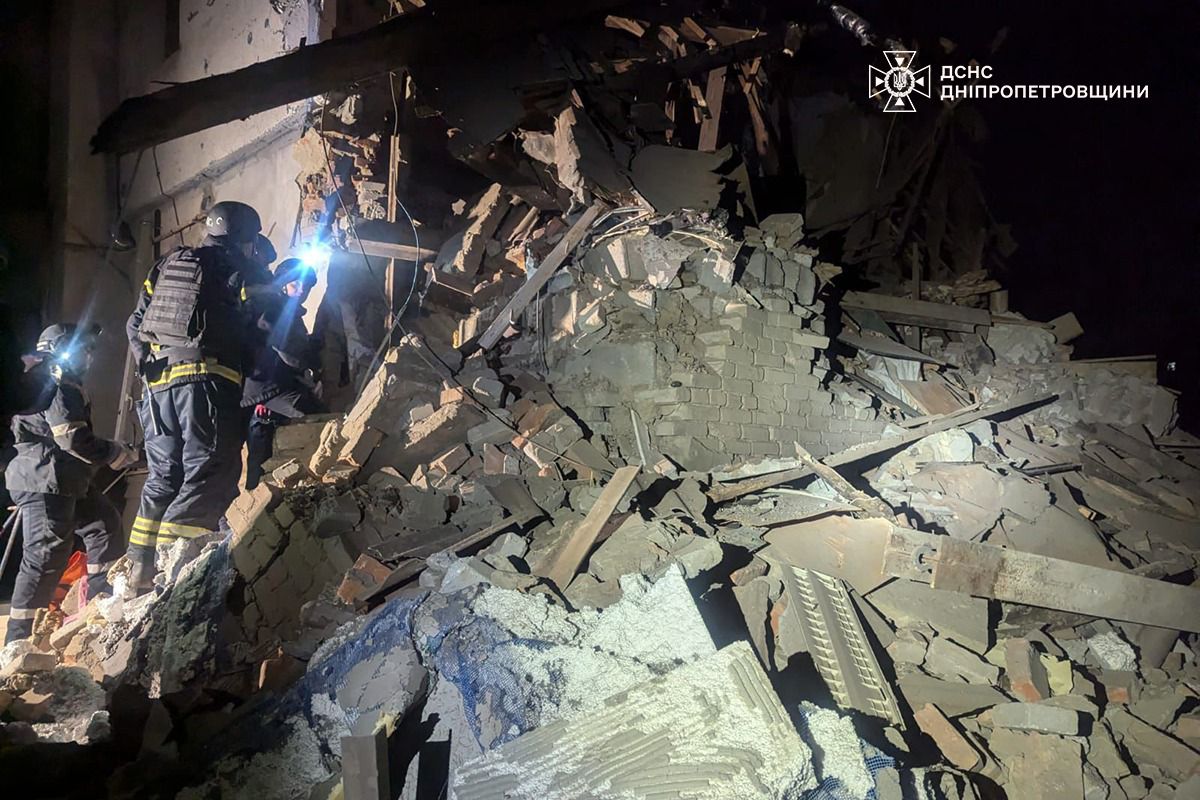
Late on December 19, a Russian ballistic missile struck Kryvyi Rih, causing destruction and injuries.
The attack came right after 11:00 p.m., targeting a two-story residential building. Emergency rescue operations at the site ended at 2:00 a.m. on December 20.
Six individuals were injured in the strike, including a 15-year-old girl, three men aged 38, 49, and 75, and two women aged 30 and 82.
Rescue teams pulled the 15-year-old girl and a 38-year-old man from the rubble while Three others of the injured were taken to hospitals in moderate condition.
The missile strike destroyed the residential building, while the blast wave damaged over 20 neaby apartment blocks.
“The full extent of the damage is still being assessed. All emergency and utility services were deployed to the site, working through the night. Electricity, water, and gas have been restored in the area of the strike. Patients from the affected hospital, where all windows were shattered, were transferred to other facilities in the city,” wrote the governor in his statement.
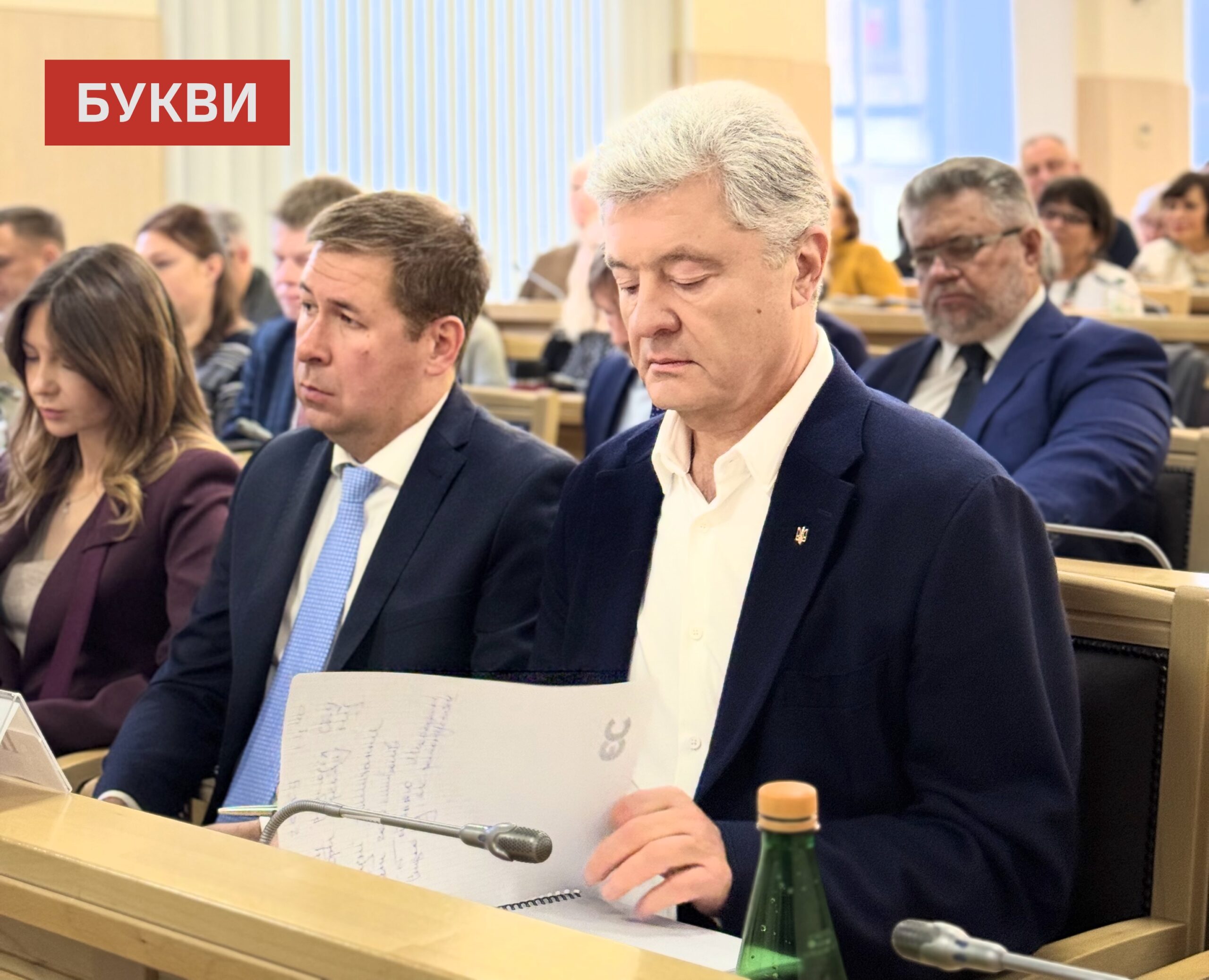
Petro Poroshenko’s lawyers have appealed to the High Anti-Corruption Court demanding that NABU be obligated to register proceedings regarding the fact of exerting influence on the court and to recognize Petro Poroshenko as a victim in the case of the Deputy Head of the Office of the President, Iryna Mudra, due to her pressure on Supreme Court judges who were considering a lawsuit to overturn sanctions.
In recent days, Moscow’s official rhetoric has been dominated by hysteria over the decision of…
In 2025, the deadliest year yet for civilians, Ukraine’s three largest charitable foundations raised a record 105.9 billion hryvnias. It is more than the years 2022–2024 combined. According to the UN, humanitarian aid in Ukraine was delivered by more than 450 organisations, reaching five million people over the course of the year. Civic foundations hold licences to purchase lethal weapons, which is a function states have monopolised for centuries. These record sums were underwritten by international government grants, which means foreign states now channel billions directly through Ukrainian civic funds, bypassing inter-state channels. It is hard to imagine a stronger institutional trust in civil society.
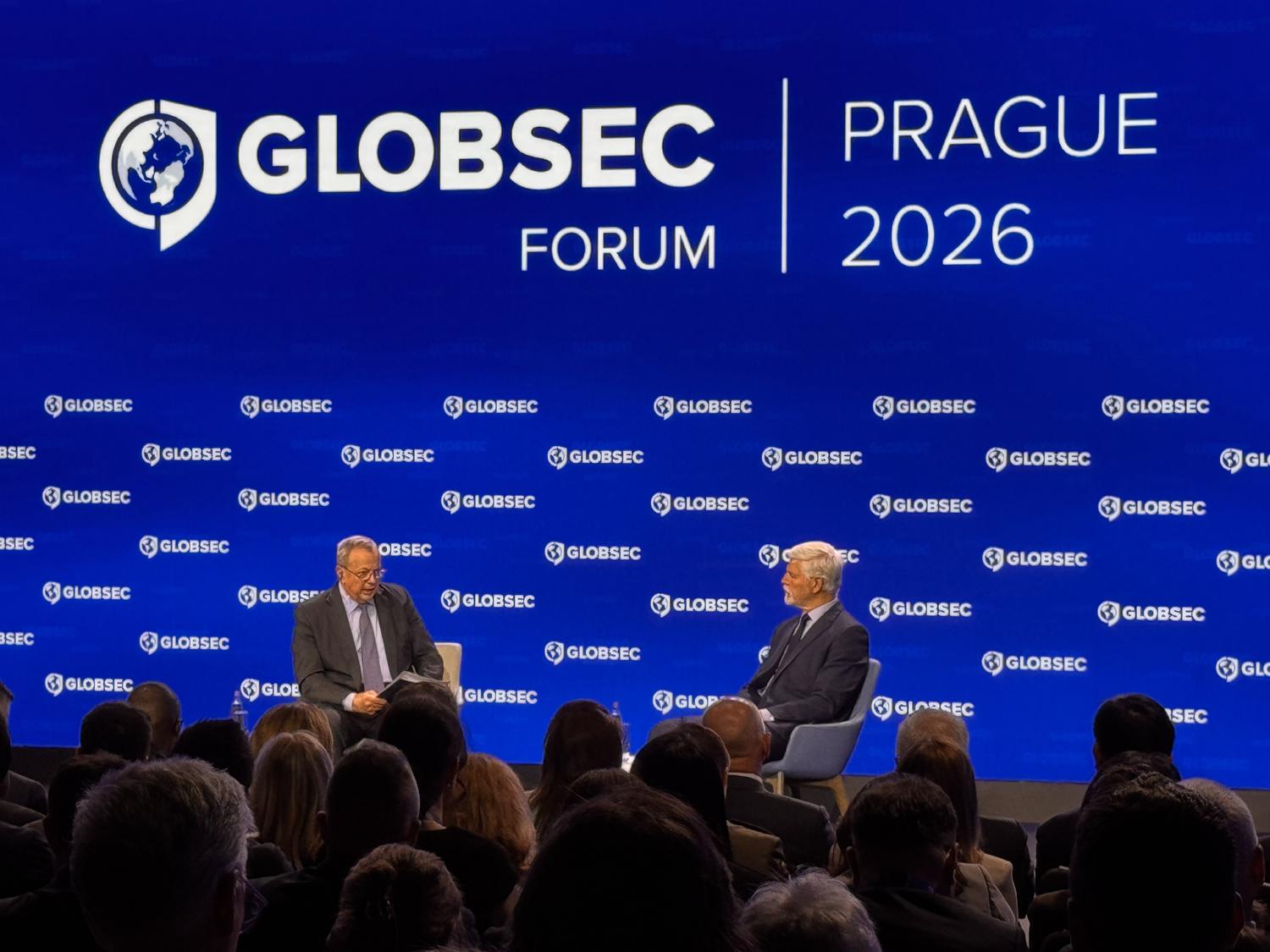
During the GLOBSEC Defence Forum 2026 in Prague, representatives of “Steel Front”, an initiative by Rinat Akhmetov, discussed with NATO delegations, military officials, and representatives of the European defense industry the lessons learned from Russia’s full-scale war against Ukraine.
After the start of the full-scale invasion in February 2022, Ukraine witnessed an unprecedented wave of private support for the army. Citizens, big businesses, charitable foundations, and international philanthropists began financing the country’s defense alongside state assistance provided by international partners. Estimates of total private contributions range from tens to hundreds of billions of hryvnias. However, determining the exact amount remains difficult. In many cases, companies combine military aid, humanitarian programs, tax payments, social spending, and employee support in their reporting.