
Former commander-in-chief Zaluzhnyi delivers his first public speech. Key takeaways
Source: Ukrainska Pravda
On October 17, Ukraine’s former commander-in-chief Valeryi Zaluzhnyi delivered a speech at Chatham House in his first public appearance after he became Ukraine’s envoy to the UK.
Here are the key takeaway from his speech:
Democracy vs. Autocracy
Zaluzhnyi spoke the stark contrast between democracies and autocracies. While Ukraine is fighting for its independence and future as part of the democratic world, autocratic regimes like Russia seek to undermine such aspirations. The goal of Russia, according to Zaluzhnyi, is to erase Ukraine as a nation, as evidenced by atrocities like those in Bucha and Hostomel. He made it clear that peaceful coexistence with Russia now appears impossible, and the end to the war can hardly promise security in the upcoming years
The Causes of the War
Zaluzhnyi argued tha tthe West’s failure to uphold global security is one the reasons of the war in Ukraine. Russia exploited the West’s weaknesses when it failed to respond to the invasion of Georgia in 2008 and aggression against Ukraine in 2014, arguing Putin’s nuclear threats are sowing fear making Western politicians reluctant to escalate things.
Global Security and Geopolitics
Zaluzhnyi warned about Russia’s growing ties with the countries like China, North Korea, and Iran. He also raised concerns about the BRICS alliance arguing that the timid response of the Western countries is weakening global security.
Vision of Victory
Zaluzhnyi said Ukraine’s path to victory in the war against Russia must be based on three core principles:
- Security: Ukraine must feel secure from future aggression for the next 100 years, which can be achieved through NATO membership or a defense model akin to Israel’s.
- Development: Ukraine needs an environment conducive to long-term economic development, but this depends on investors’ confidence that future wars won’t break out.
- Peace at Home: Every Ukrainian should be able to live in peace and feel at home in their country.
Zaluzhnyi said that Ukraine’s fight is a testament to its desire to live as part of the civilized world, and the West needs to recalibre its its approach to help secure a long-term global stability.
In my previous column, I wrote about social innovations in Ukraine. Those innovations are part of civic resilience and the democratization of security, which Europe is paying close attention to right now. The EU is trying to work out how to spread responsibility for its own security across society as a whole, rather than leaving it to institutions alone. It is looking for concrete ways to bring ordinary people into the work of defense and resistance.
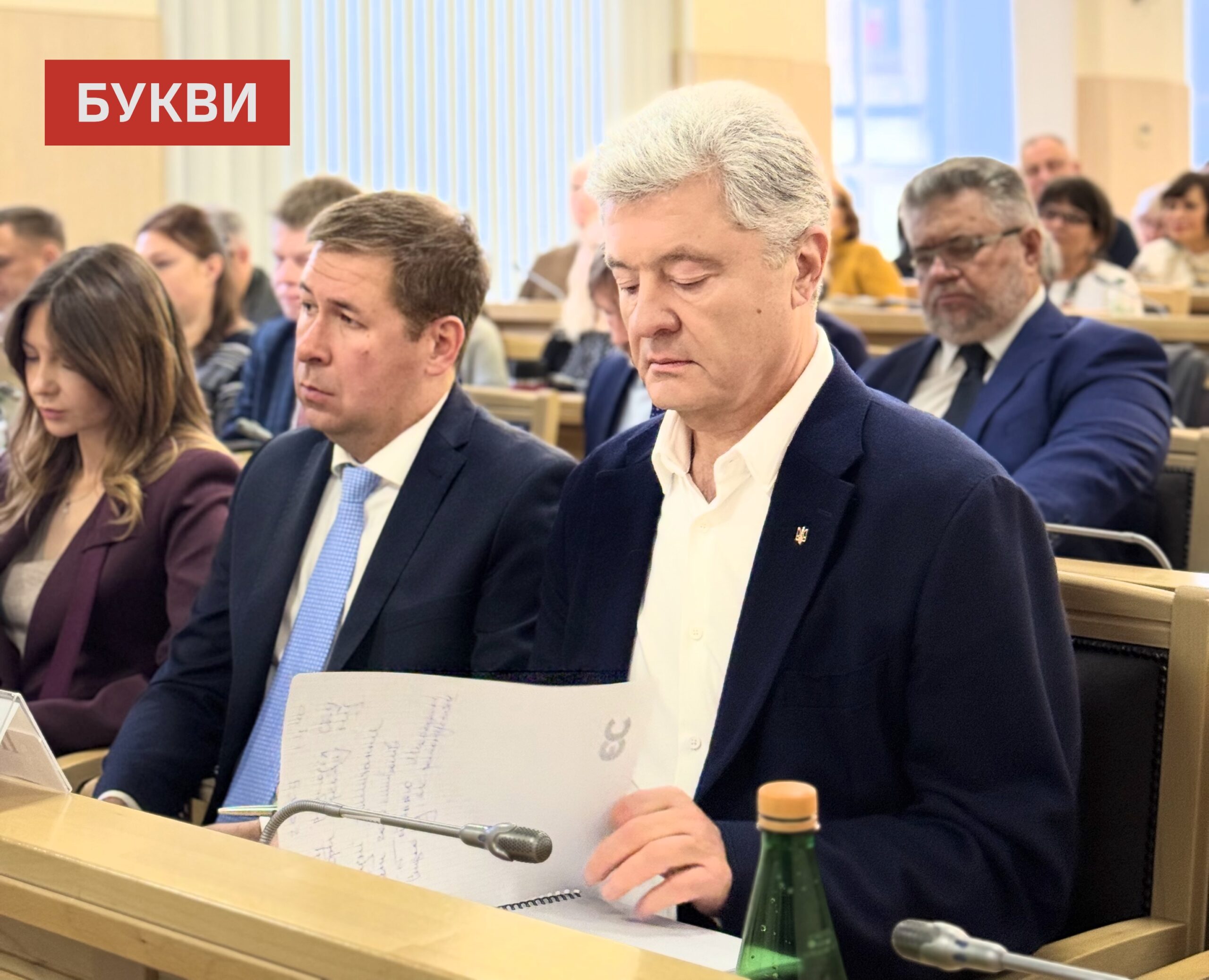
Petro Poroshenko’s lawyers have appealed to the High Anti-Corruption Court demanding that NABU be obligated to register proceedings regarding the fact of exerting influence on the court and to recognize Petro Poroshenko as a victim in the case of the Deputy Head of the Office of the President, Iryna Mudra, due to her pressure on Supreme Court judges who were considering a lawsuit to overturn sanctions.
In recent days, Moscow’s official rhetoric has been dominated by hysteria over the decision of…
In 2025, the deadliest year yet for civilians, Ukraine’s three largest charitable foundations raised a record 105.9 billion hryvnias. It is more than the years 2022–2024 combined. According to the UN, humanitarian aid in Ukraine was delivered by more than 450 organisations, reaching five million people over the course of the year. Civic foundations hold licences to purchase lethal weapons, which is a function states have monopolised for centuries. These record sums were underwritten by international government grants, which means foreign states now channel billions directly through Ukrainian civic funds, bypassing inter-state channels. It is hard to imagine a stronger institutional trust in civil society.
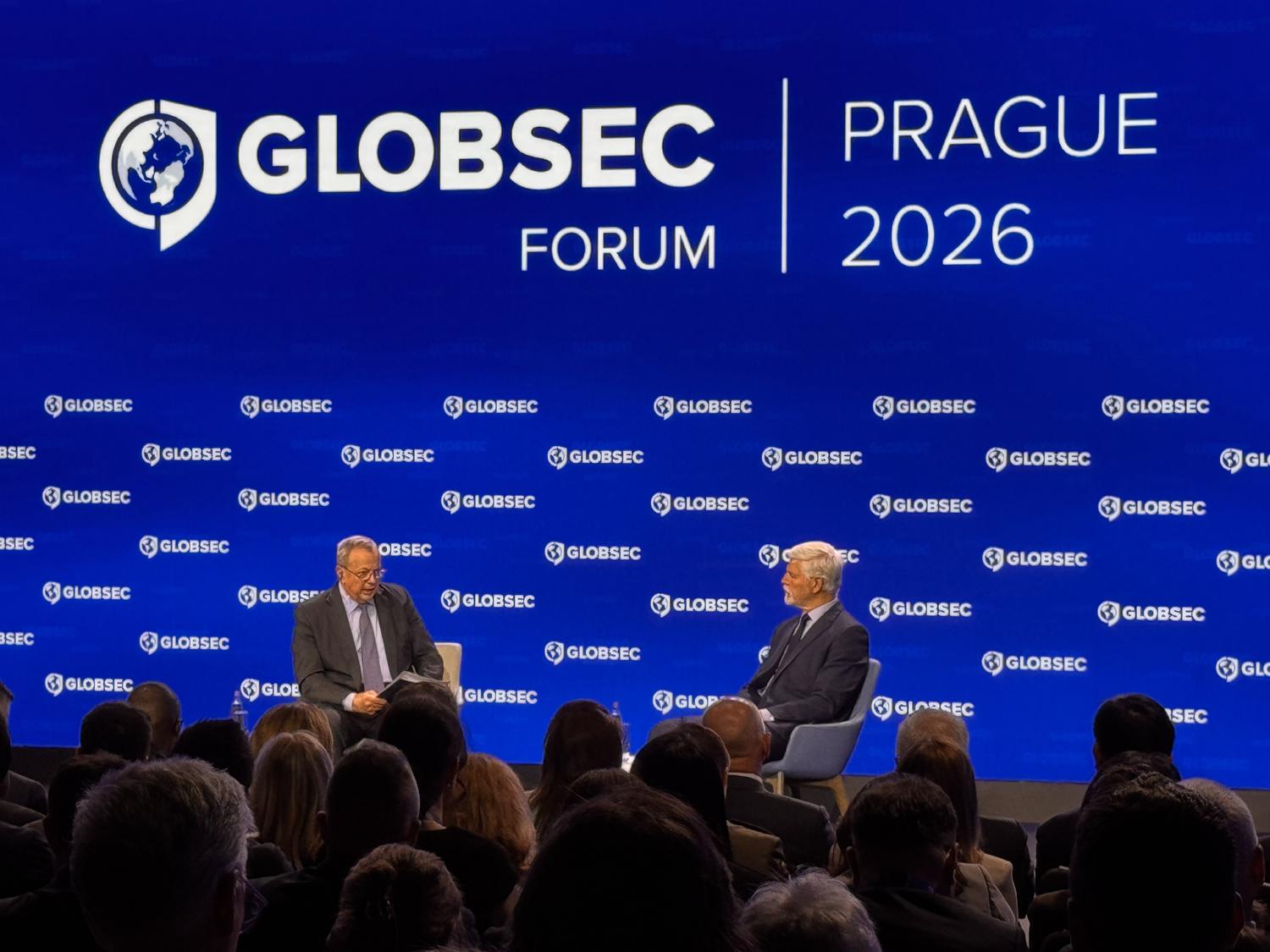
During the GLOBSEC Defence Forum 2026 in Prague, representatives of “Steel Front”, an initiative by Rinat Akhmetov, discussed with NATO delegations, military officials, and representatives of the European defense industry the lessons learned from Russia’s full-scale war against Ukraine.