
“Labeling Russian culture is wrong” – Lithuania’s new culture minister
Source: LRT
In a bid to move away from blanket bans for Russian artists, Lithuania’s incoming Minister of Culture, Šarūnas Birutis, said his Baltic country needs more nuanced approach to Russian culture and its representatives.
“We understand that the Russian people are not the Kremlin. For millennia, they have been our neighbors and likely will remain so. Many people of Russian descent live in Lithuania as citizens, and most are loyal to Lithuania as their homeland. It is entirely wrong and inappropriate to stigmatize their nationality or culture,” said Birutis in an interview with LRT.
The minister argued for a balanced approach to Russian artists and musicians who plan to perform in Lithuania:
“Artists are different. Many have emigrated, and some openly oppose the Kremlin’s regime. It’s important to distinguish between those loyal to the regime and those resisting it. They are also part of Russian culture and should not all be painted with the same brush.”
His views appear to be at odds with earlier proposals by outgoing Minister Simonas Kairys, who called for a “mental quarantine” on Russian art in solidarity with Ukraine. In December 2023, Lithuania’s Seimas Cultural Committeeeven proposed a commission to screen Russian artists to identify pro-Putin affiliations. However, the government rejected the idea.
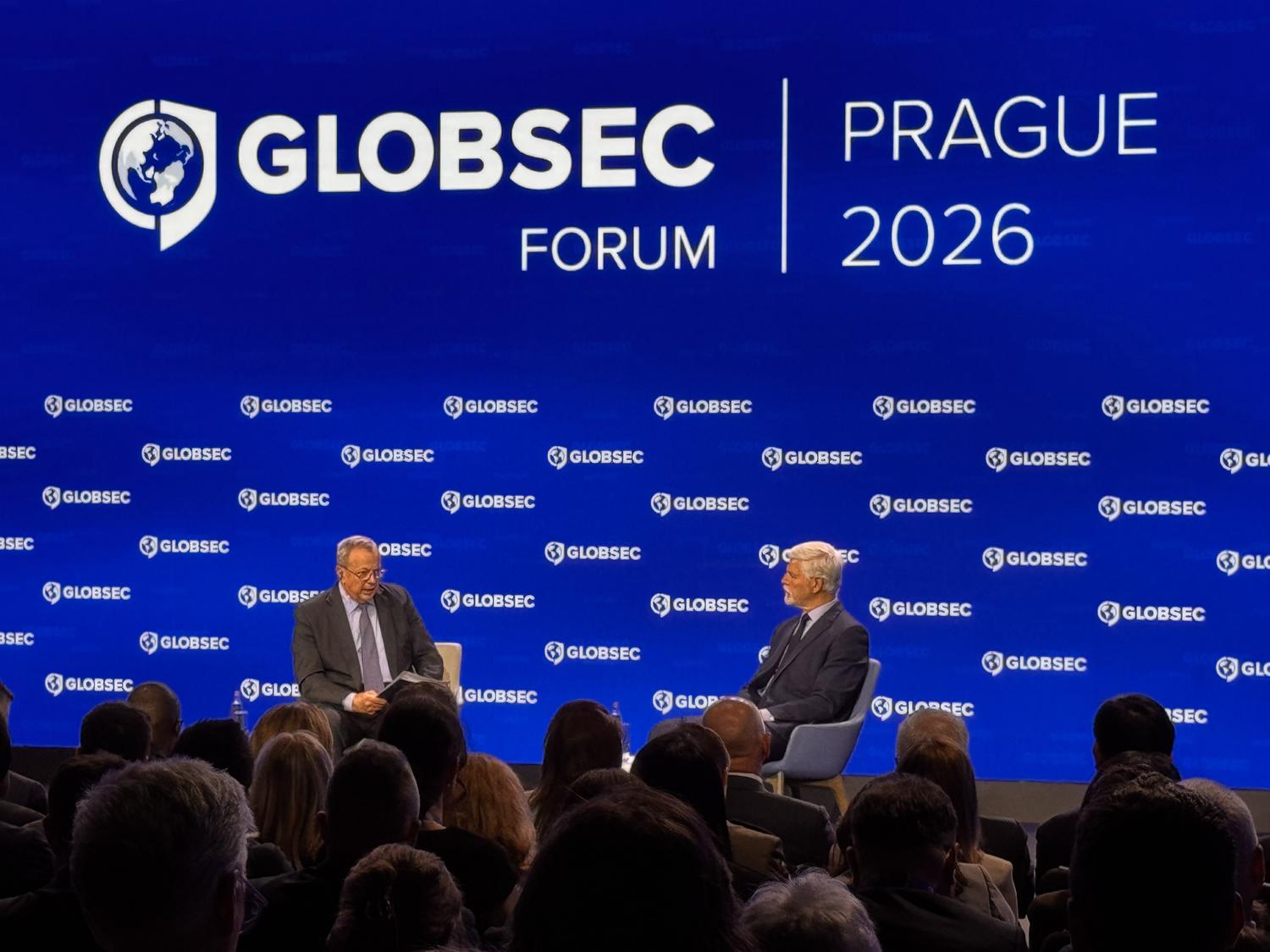
In my previous column, I wrote about social innovations in Ukraine. Those innovations are part of civic resilience and the democratization of security, which Europe is paying close attention to right now. The EU is trying to work out how to spread responsibility for its own security across society as a whole, rather than leaving it to institutions alone. It is looking for concrete ways to bring ordinary people into the work of defense and resistance.
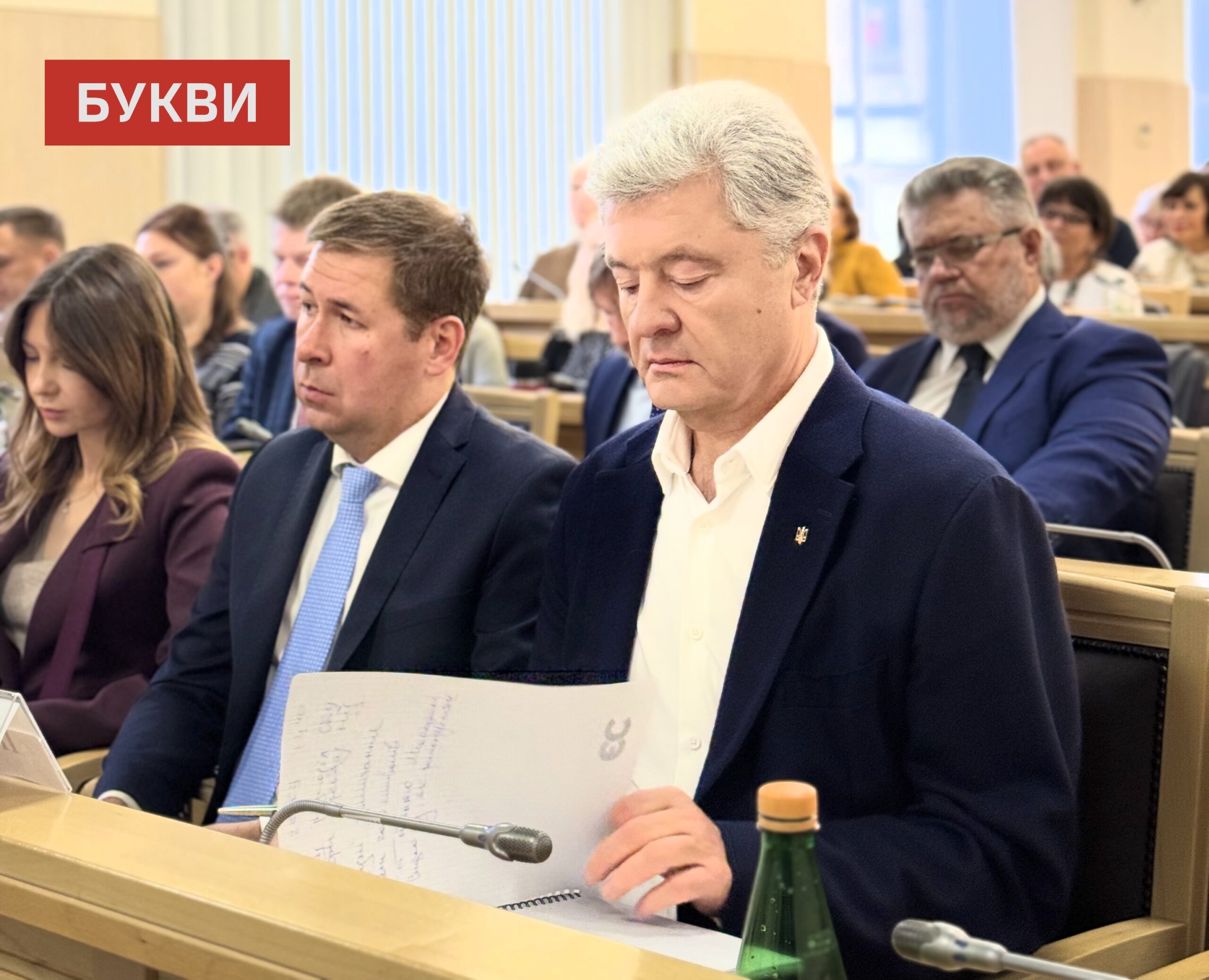
Petro Poroshenko’s lawyers have appealed to the High Anti-Corruption Court demanding that NABU be obligated to register proceedings regarding the fact of exerting influence on the court and to recognize Petro Poroshenko as a victim in the case of the Deputy Head of the Office of the President, Iryna Mudra, due to her pressure on Supreme Court judges who were considering a lawsuit to overturn sanctions.
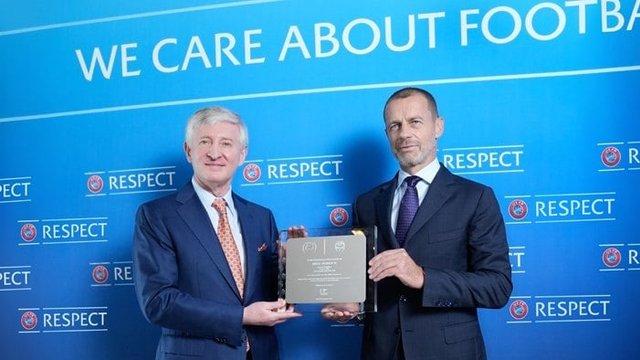
Internationally recognized brands and financial institutions should direct capital to Ukraine now, not waiting for the hostilities to end. This was emphasized by Rinat Akhmetov, president of FC Shakhtar, during a working visit to UEFA headquarters in Nyon, Switzerland, where he met with UEFA President Aleksander Čeferin.
In recent days, Moscow’s official rhetoric has been dominated by hysteria over the decision of…
In 2025, the deadliest year yet for civilians, Ukraine’s three largest charitable foundations raised a record 105.9 billion hryvnias. It is more than the years 2022–2024 combined. According to the UN, humanitarian aid in Ukraine was delivered by more than 450 organisations, reaching five million people over the course of the year. Civic foundations hold licences to purchase lethal weapons, which is a function states have monopolised for centuries. These record sums were underwritten by international government grants, which means foreign states now channel billions directly through Ukrainian civic funds, bypassing inter-state channels. It is hard to imagine a stronger institutional trust in civil society.