

SBU arrests Russian spy tracking Ukrainian troops in Pokrovsk
Source: Ukraine’s Security Service 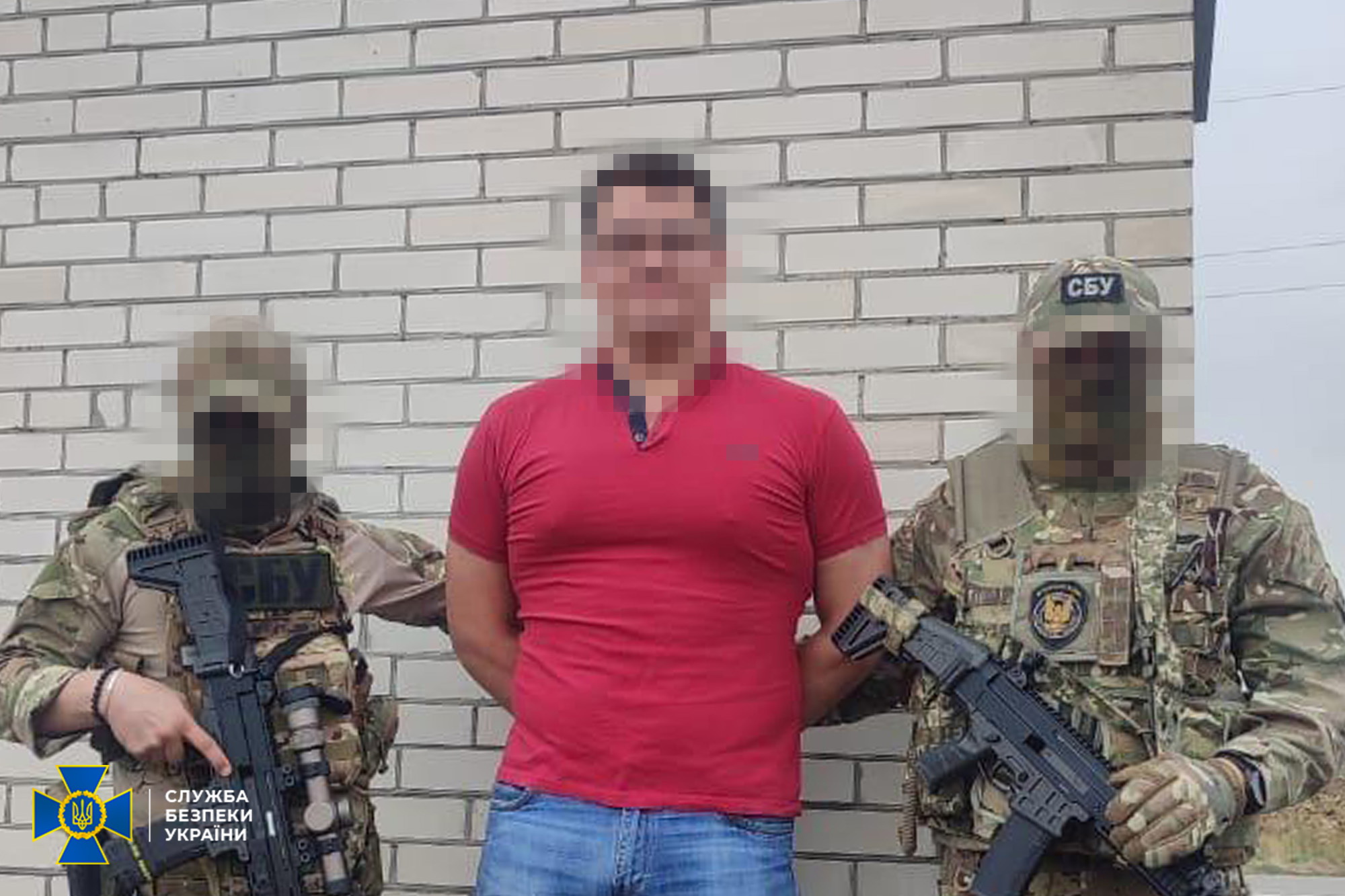
Ukraine’s Security Service (SBU) said on Wednesday its operatives have arrested a Russian agent who spied on Ukrainian defense forces in Pokrovsk, Donetsk region.
The man who worked at a local mine, was recruited by Russian intelligence in July 2024. He was caught spying on the locations of Ukrainian military positions and artillery.
He used his commute to work to secretly track the coordinates of Ukrainian defense positions. Tagging them on Google Maps, he would send the geotagged screenshots to his Russian handlers via an anonymous messaging app.
During his arrest, authorities seized the spy’s mobile phone and SIM cards, which he had frequently swapped to avoid detection.
The man is facing state treason charges under Article 111, Part 2 of Ukraine’s Criminal Code), a crime that can send him to prison for life.
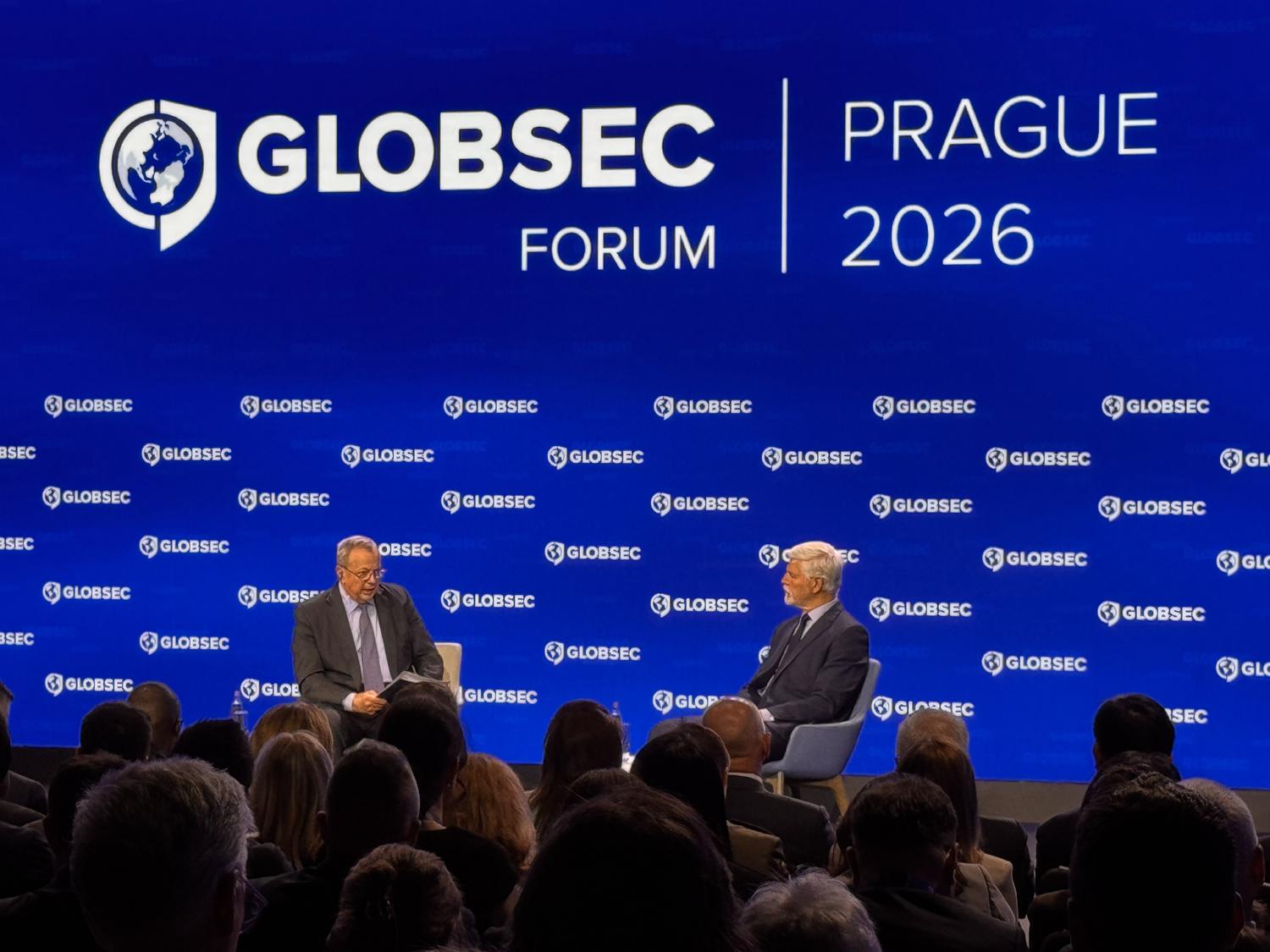
In my previous column, I wrote about social innovations in Ukraine. Those innovations are part of civic resilience and the democratization of security, which Europe is paying close attention to right now. The EU is trying to work out how to spread responsibility for its own security across society as a whole, rather than leaving it to institutions alone. It is looking for concrete ways to bring ordinary people into the work of defense and resistance.
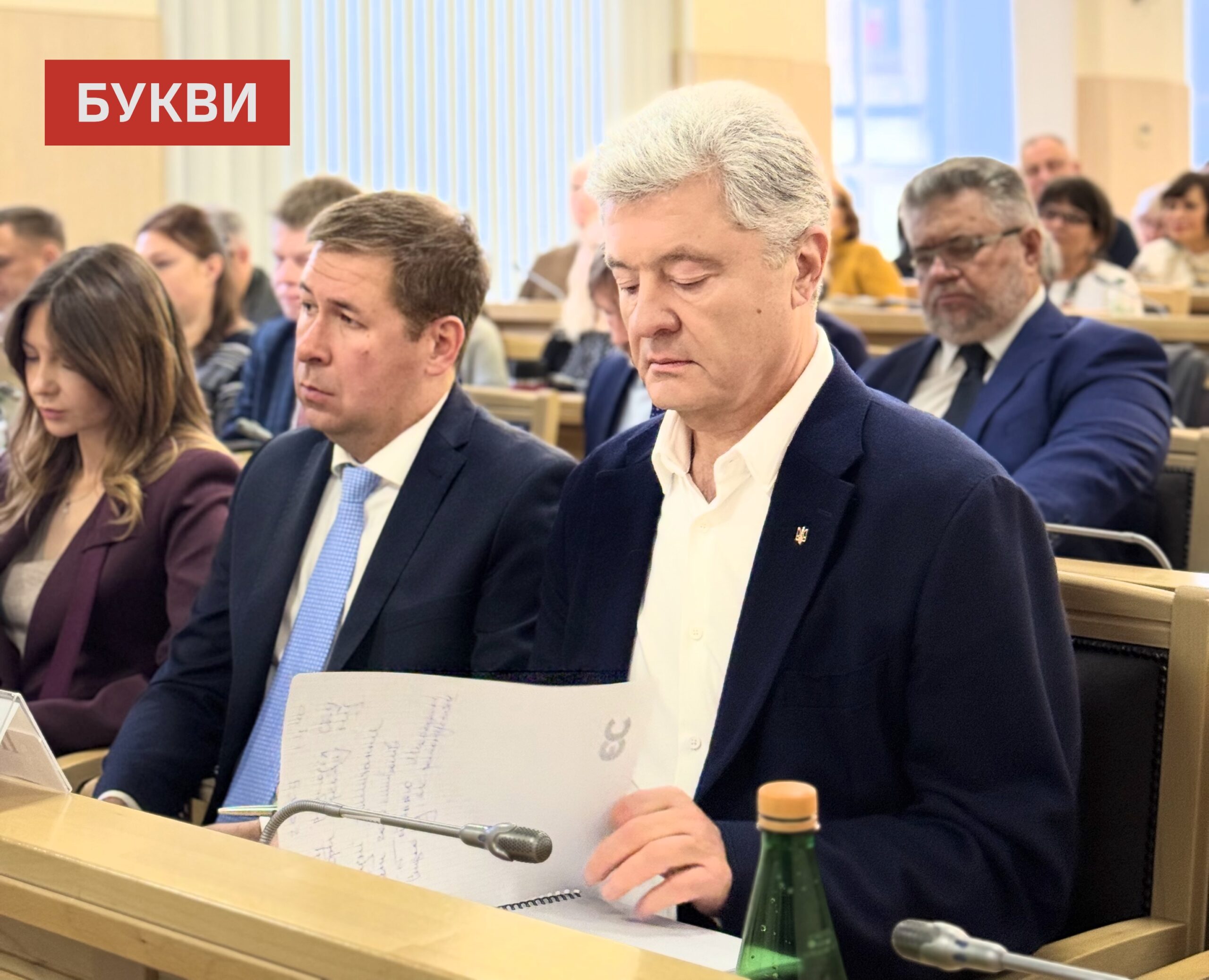
Petro Poroshenko’s lawyers have appealed to the High Anti-Corruption Court demanding that NABU be obligated to register proceedings regarding the fact of exerting influence on the court and to recognize Petro Poroshenko as a victim in the case of the Deputy Head of the Office of the President, Iryna Mudra, due to her pressure on Supreme Court judges who were considering a lawsuit to overturn sanctions.
Internationally recognized brands and financial institutions should direct capital to Ukraine now, not waiting for the hostilities to end. This was emphasized by Rinat Akhmetov, president of FC Shakhtar, during a working visit to UEFA headquarters in Nyon, Switzerland, where he met with UEFA President Aleksander Čeferin.
In recent days, Moscow’s official rhetoric has been dominated by hysteria over the decision of…
In 2025, the deadliest year yet for civilians, Ukraine’s three largest charitable foundations raised a record 105.9 billion hryvnias. It is more than the years 2022–2024 combined. According to the UN, humanitarian aid in Ukraine was delivered by more than 450 organisations, reaching five million people over the course of the year. Civic foundations hold licences to purchase lethal weapons, which is a function states have monopolised for centuries. These record sums were underwritten by international government grants, which means foreign states now channel billions directly through Ukrainian civic funds, bypassing inter-state channels. It is hard to imagine a stronger institutional trust in civil society.