

Tax evasion scheme exposed at two ferroalloy plants linked to oligarch Kolomoisky
Source: BEB
The Bureau of Economic Security (BEB) said on Thursday it has uncovered tax evasion schemes used by two Ukrainian ferroalloy plants linked to prominent oligarch Ihor Kolomoisky. The total amount of unpaid taxes on theirs exports is estimated at nearly 1.2 billion hryvnias.
The investigation found that these plants have used transfer mispricing tricks while exporting ferroalloy products to Austria, Cyprus, and other European countries, which allowed them to avoid taxes.
As some 90% of their production was exported, a great share of their revenue went unaccounted and never sent back to Ukraine. One of these businesses amassed a debt of 1.1 billion hryvnias for unreturned funds from exported ferroalloy products.
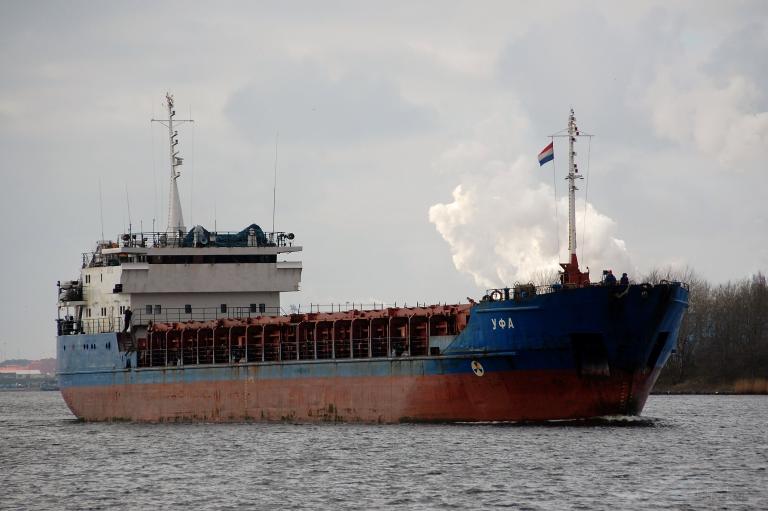
BEB estimated that the plants exported raw materials valued at some $853 million in 2022-2023.
The agency detectives are conducting searches and seizing remaining goods and evidence for the case.
The investigation is proceeding under Part 3, Article 212 of the Criminal Code of Ukraine, which pertains to “Evasion of Taxes and Duties.”
In recent days, Moscow’s official rhetoric has been dominated by hysteria over the decision of…
In 2025, the deadliest year yet for civilians, Ukraine’s three largest charitable foundations raised a record 105.9 billion hryvnias. It is more than the years 2022–2024 combined. According to the UN, humanitarian aid in Ukraine was delivered by more than 450 organisations, reaching five million people over the course of the year. Civic foundations hold licences to purchase lethal weapons, which is a function states have monopolised for centuries. These record sums were underwritten by international government grants, which means foreign states now channel billions directly through Ukrainian civic funds, bypassing inter-state channels. It is hard to imagine a stronger institutional trust in civil society.
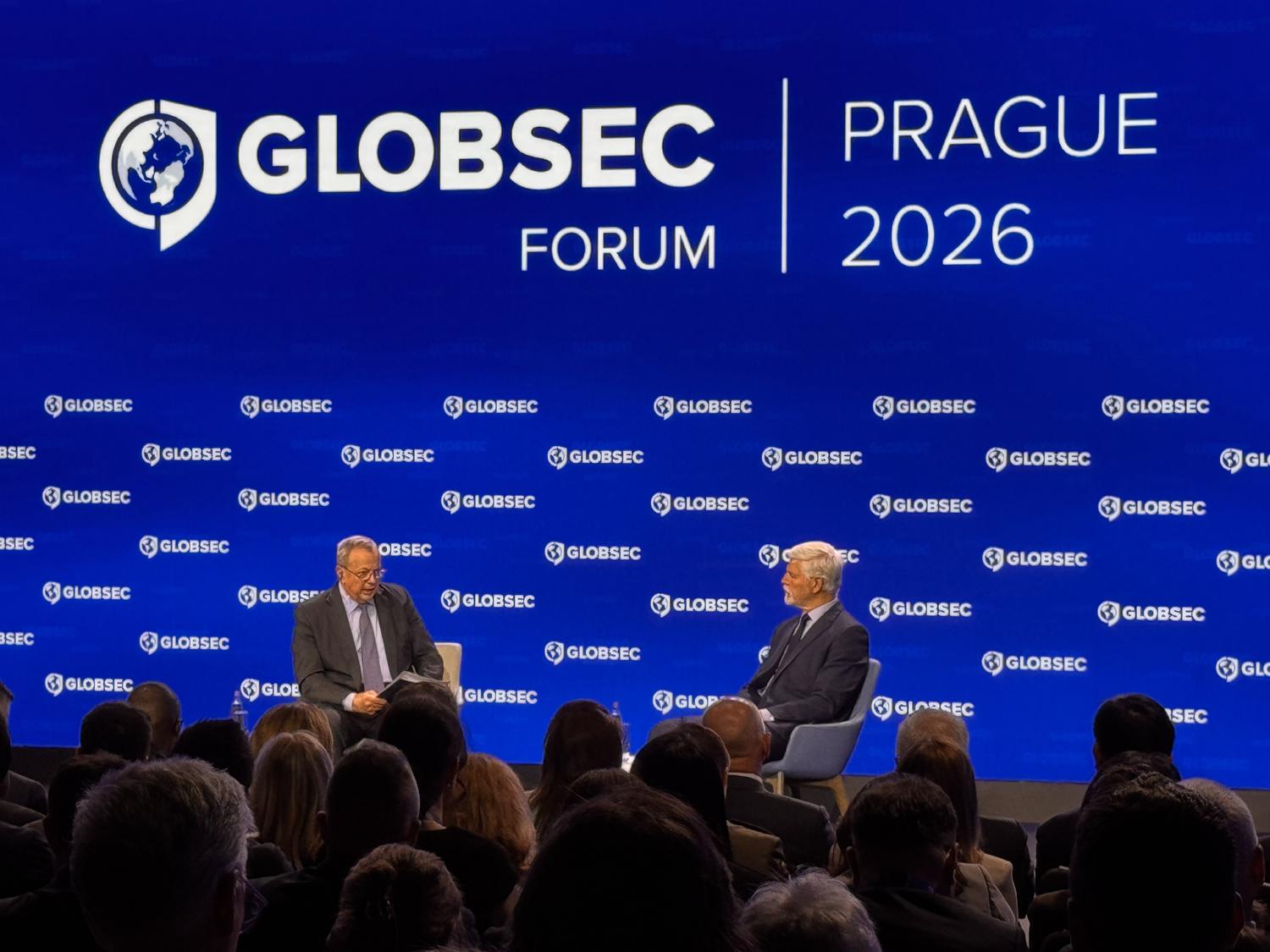
During the GLOBSEC Defence Forum 2026 in Prague, representatives of “Steel Front”, an initiative by Rinat Akhmetov, discussed with NATO delegations, military officials, and representatives of the European defense industry the lessons learned from Russia’s full-scale war against Ukraine.
After the start of the full-scale invasion in February 2022, Ukraine witnessed an unprecedented wave of private support for the army. Citizens, big businesses, charitable foundations, and international philanthropists began financing the country’s defense alongside state assistance provided by international partners. Estimates of total private contributions range from tens to hundreds of billions of hryvnias. However, determining the exact amount remains difficult. In many cases, companies combine military aid, humanitarian programs, tax payments, social spending, and employee support in their reporting.
Rinat Akhmetov’s military initiative, “Steel Front”, has delivered a batch of drones worth UAH 214 million to the 1st “Azov” Corps of the National Guard of Ukraine. This shipment is part of the Metinvest Group’s ongoing support for the unit in 2025.