



Ukraine endures double missile strikes by Russia
Source: Bukvy
More details are emerging on the damage suffered by Ukrainian cities and infrastructure aftere Russia launched two waves of missile attacks across the country in the early hours Thursday.
At around 5:00 am, Russian forces fired over 10 Kalibr cruise missiles from the Black Sea. Then came three ballistic missiles targeting Kharkiv. Energy facilities were allegedly the primary targets, leading to emergency power outages across the country.
In Kharkiv, missiles struck industrial buildings in the Kyivskyi district. Fortunately, no injuries were reported.
Shortly after the first assault, Russian Tu-95MS bombers launched dozens of missiles in several waves. Explosions shook several regions, including Kyiv, where missile debris fell in the Dnipro district. Damage was reportedly minimal, including a few damaged buildings and a truck, with no news about injured civilians.
- Lviv Region: Strikes on energy infrastructure left some 523,000 people without power. The town of Stryi was among the hardest hit.
- Sumy Region: Three explosions rocked the Shostka community, damaging infrastructure. The full extent of the damage is still unclear.
- Odesa Region: Six private homes were damaged, leaving one person injured. Fires from missile debris were quickly extinguished, though a garage in Odesa caught fire, requiring emergency response.
- Rivne Region: Over 280,000 residents remain without power, and water supplies were also disrupted. Schools went into a remote learning mode as local officials are scrambling to stabilize the situation.
- Volyn Region: Critical infrastructure and private buildings were damaged, leaving 215,000 residents without electricity. Relief points and generators have been deployed.
- Vinnytsia Region: Residential homes and utility buildings sustained damage, with one woman suffering injuries in the attack.
- Mykolaiv Region: Power outages were reported across the area following missile strikes.
- Kirovohrad Region: Missile and drone attacks sparked fires, but no casualties were reported.
- Khmelnytskyi Region: Strikes partially disrupted power in Shepetivka and Khmelnytskyi districts. Air defenses managed to intercept three missiles.
Meanwhile, Ukraine’s rail service reported delays of over an hour on six train routes due to power outages and damage from the strikes.
In my previous column, I wrote about social innovations in Ukraine. Those innovations are part of civic resilience and the democratization of security, which Europe is paying close attention to right now. The EU is trying to work out how to spread responsibility for its own security across society as a whole, rather than leaving it to institutions alone. It is looking for concrete ways to bring ordinary people into the work of defense and resistance.
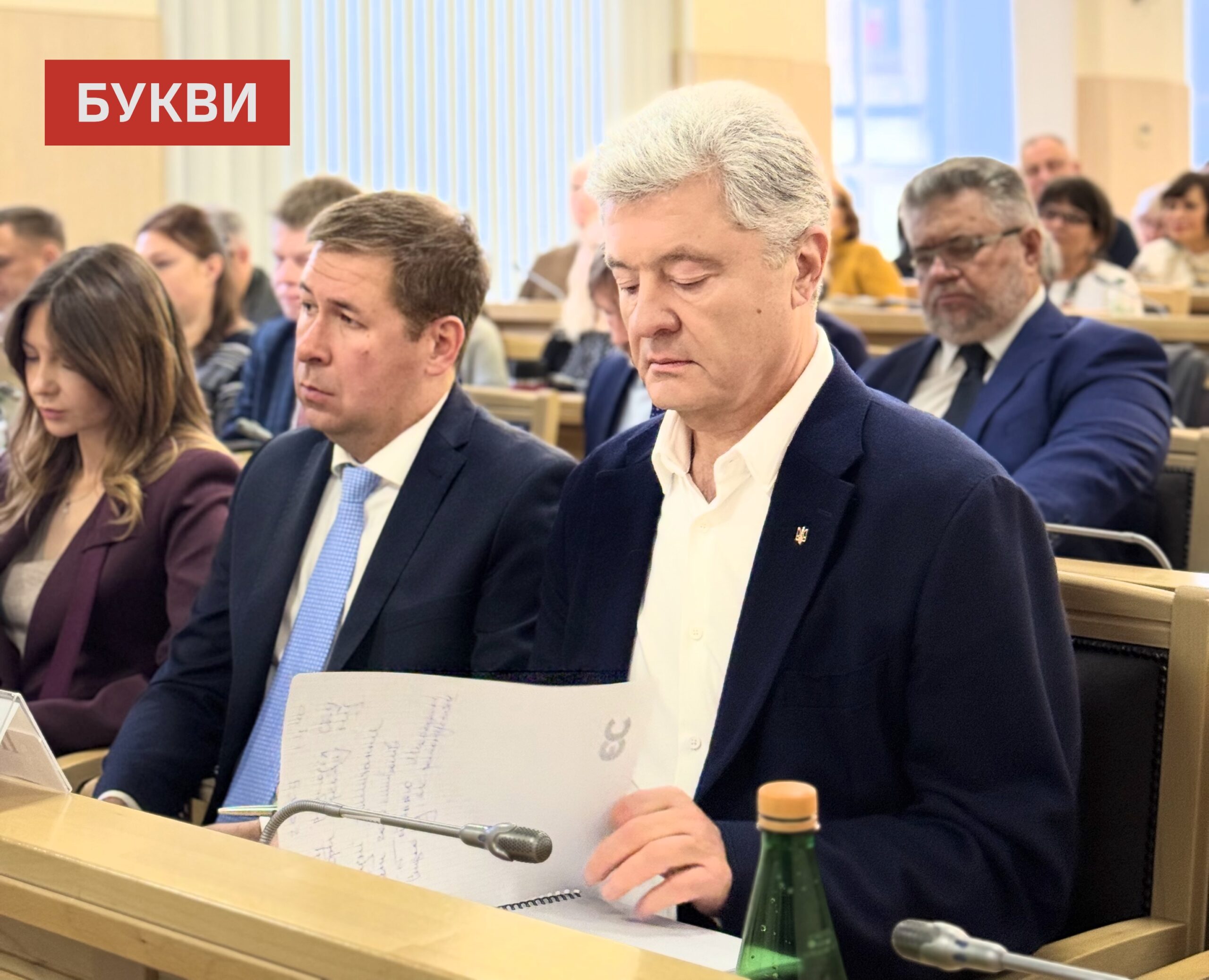
Petro Poroshenko’s lawyers have appealed to the High Anti-Corruption Court demanding that NABU be obligated to register proceedings regarding the fact of exerting influence on the court and to recognize Petro Poroshenko as a victim in the case of the Deputy Head of the Office of the President, Iryna Mudra, due to her pressure on Supreme Court judges who were considering a lawsuit to overturn sanctions.
Internationally recognized brands and financial institutions should direct capital to Ukraine now, not waiting for the hostilities to end. This was emphasized by Rinat Akhmetov, president of FC Shakhtar, during a working visit to UEFA headquarters in Nyon, Switzerland, where he met with UEFA President Aleksander Čeferin.
In recent days, Moscow’s official rhetoric has been dominated by hysteria over the decision of…
In 2025, the deadliest year yet for civilians, Ukraine’s three largest charitable foundations raised a record 105.9 billion hryvnias. It is more than the years 2022–2024 combined. According to the UN, humanitarian aid in Ukraine was delivered by more than 450 organisations, reaching five million people over the course of the year. Civic foundations hold licences to purchase lethal weapons, which is a function states have monopolised for centuries. These record sums were underwritten by international government grants, which means foreign states now channel billions directly through Ukrainian civic funds, bypassing inter-state channels. It is hard to imagine a stronger institutional trust in civil society.